Molchansky Caves Nativity of the Most Holy Mother of God Convent
51.327071, 33.874594
- the document of appointment to the post:
Journal No. 8 session of the Holy Synod of UOC on 23.07.2025 year
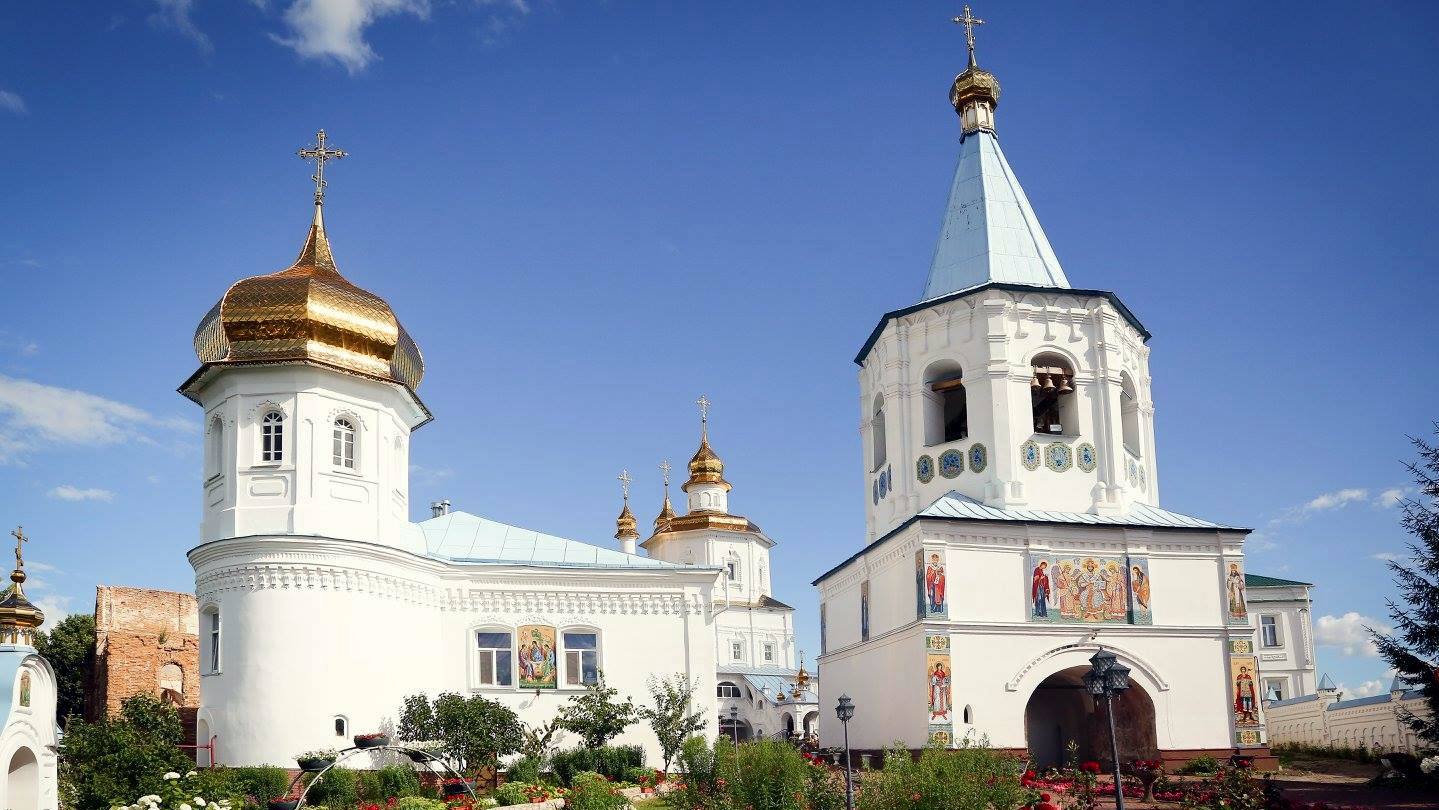
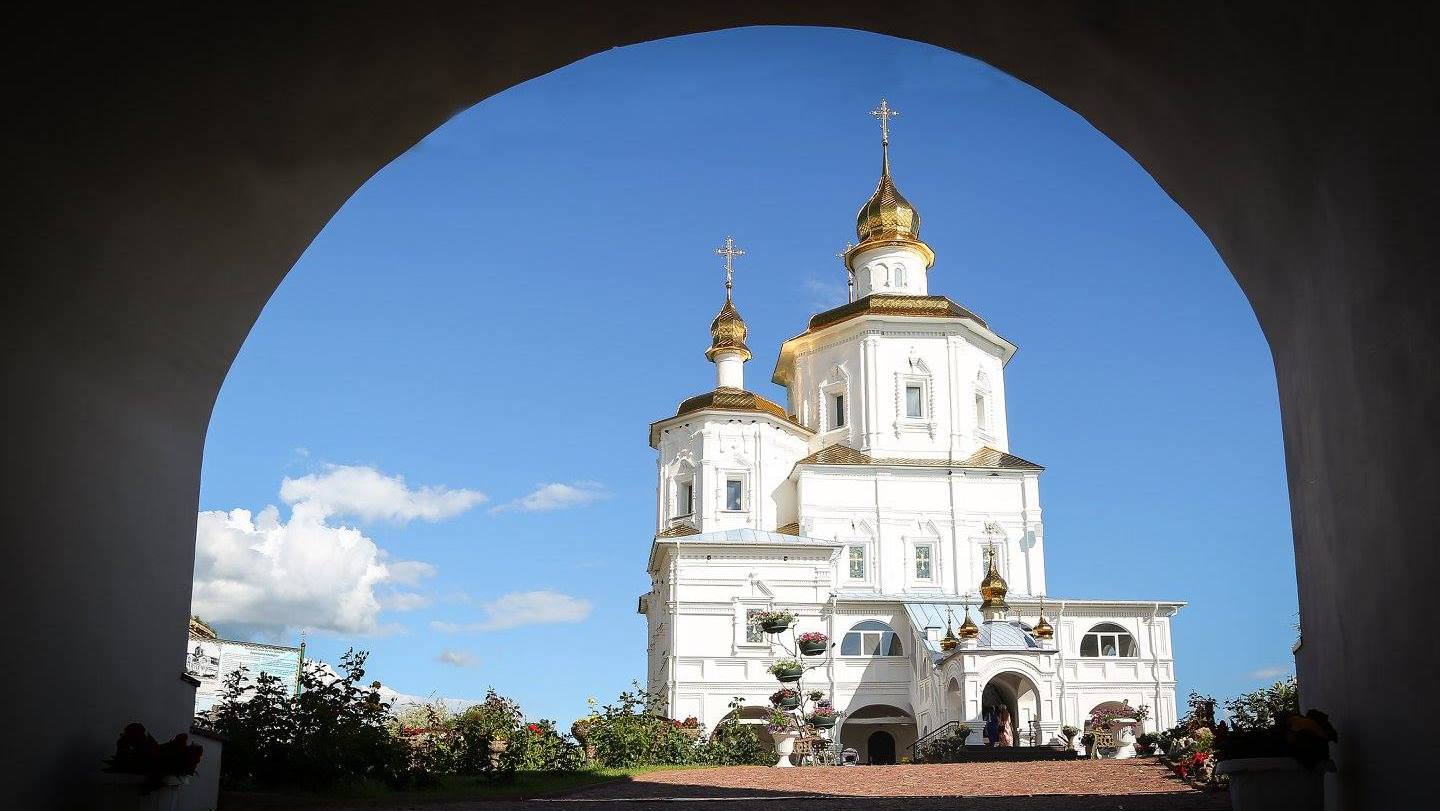
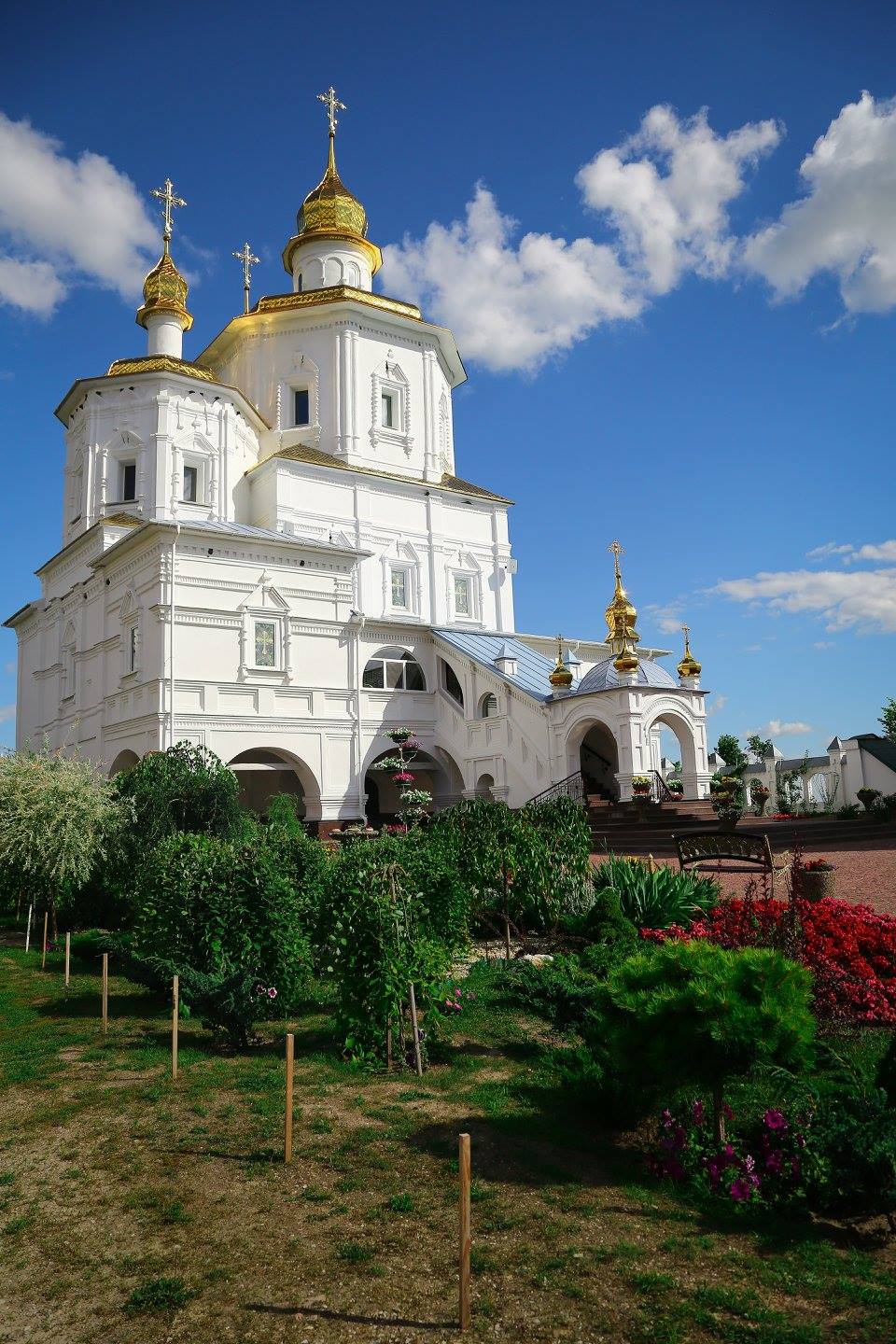
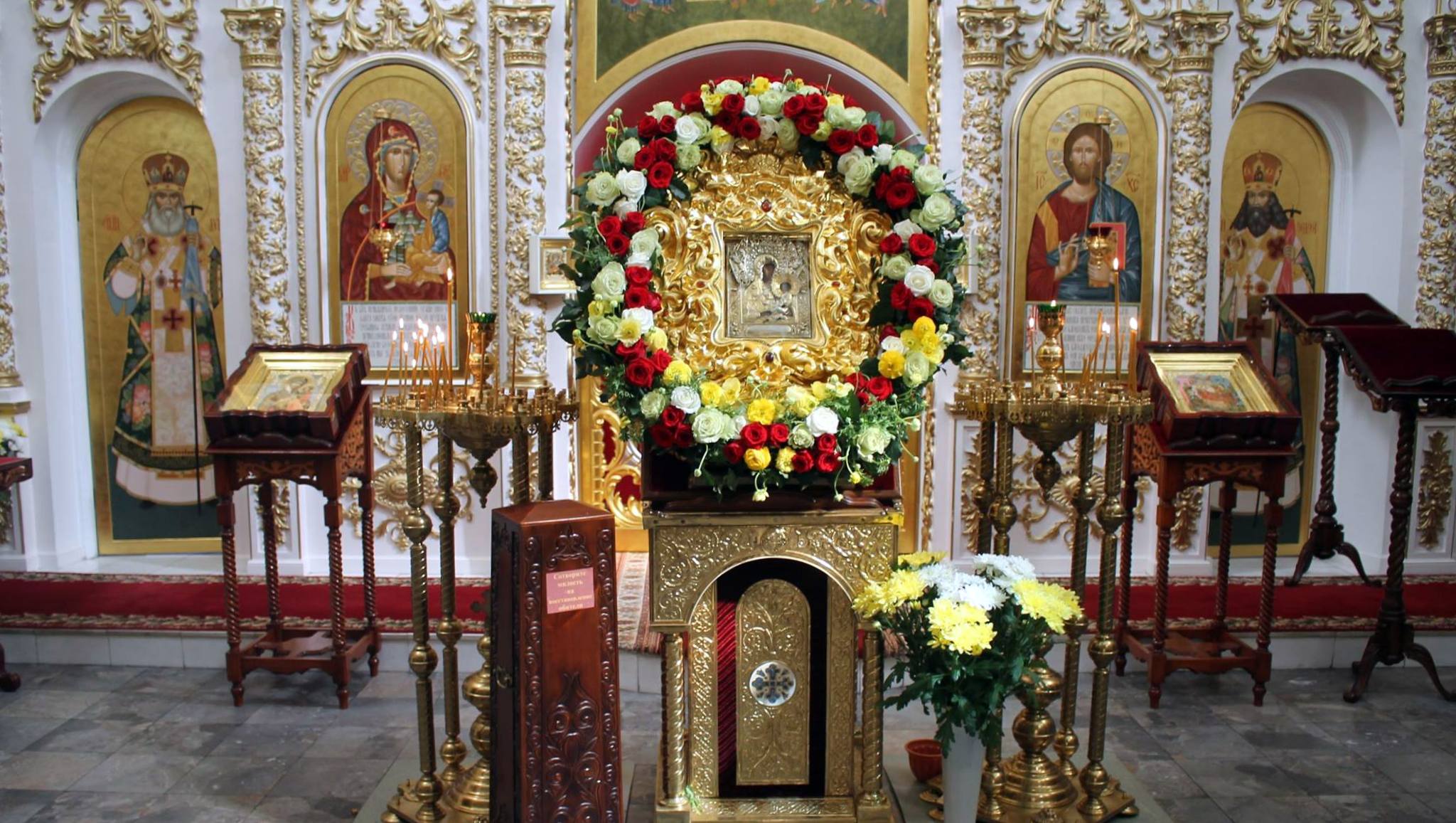
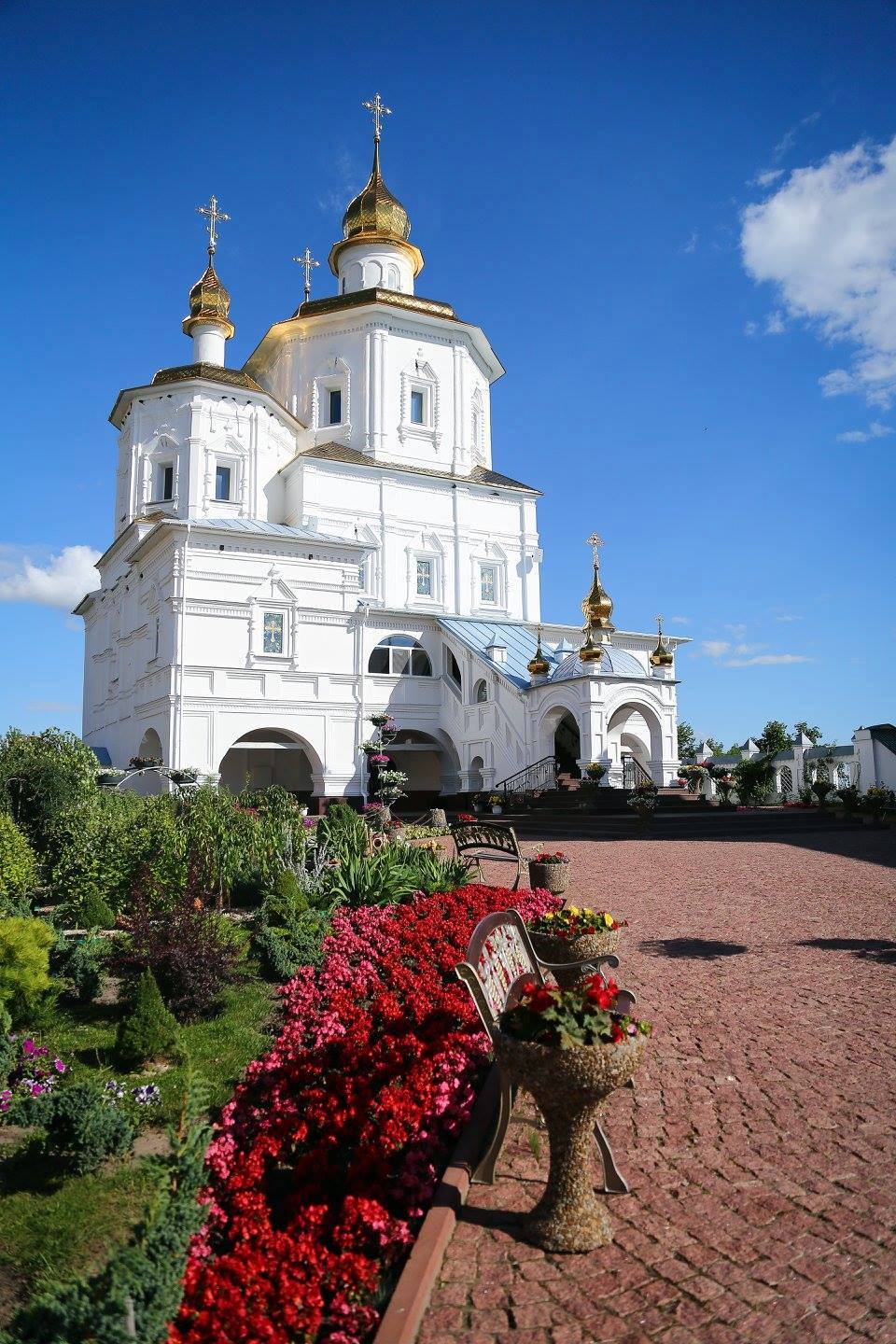
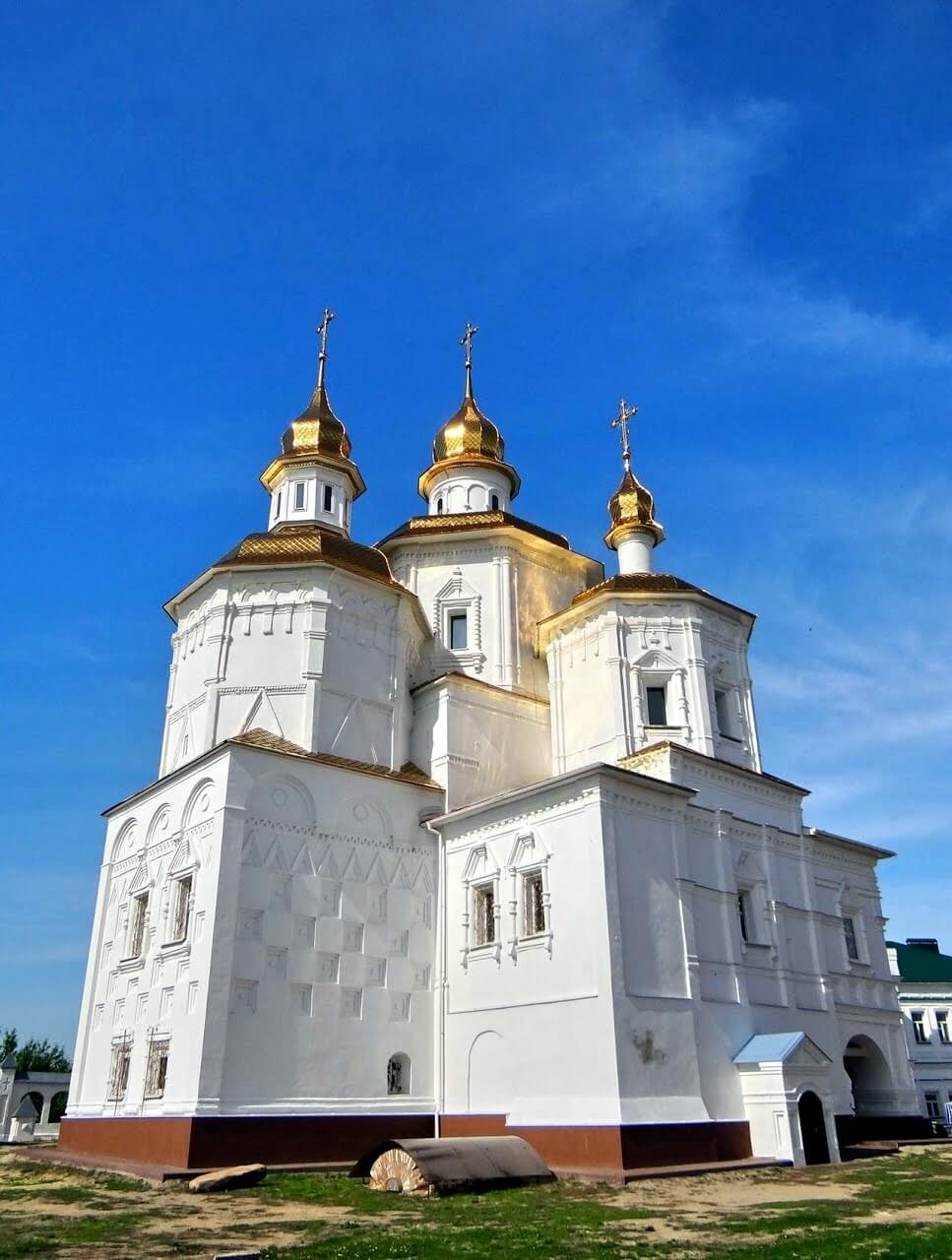
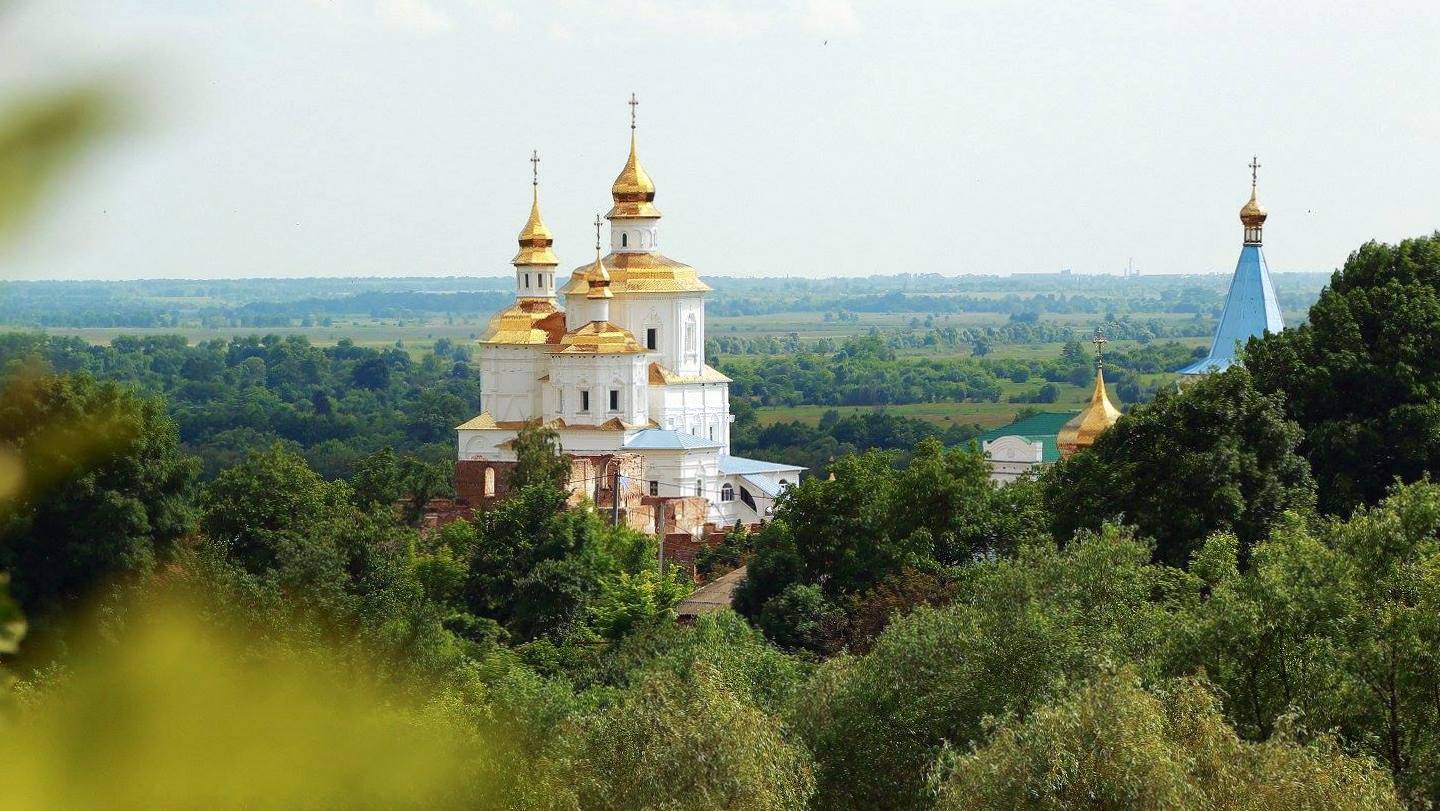
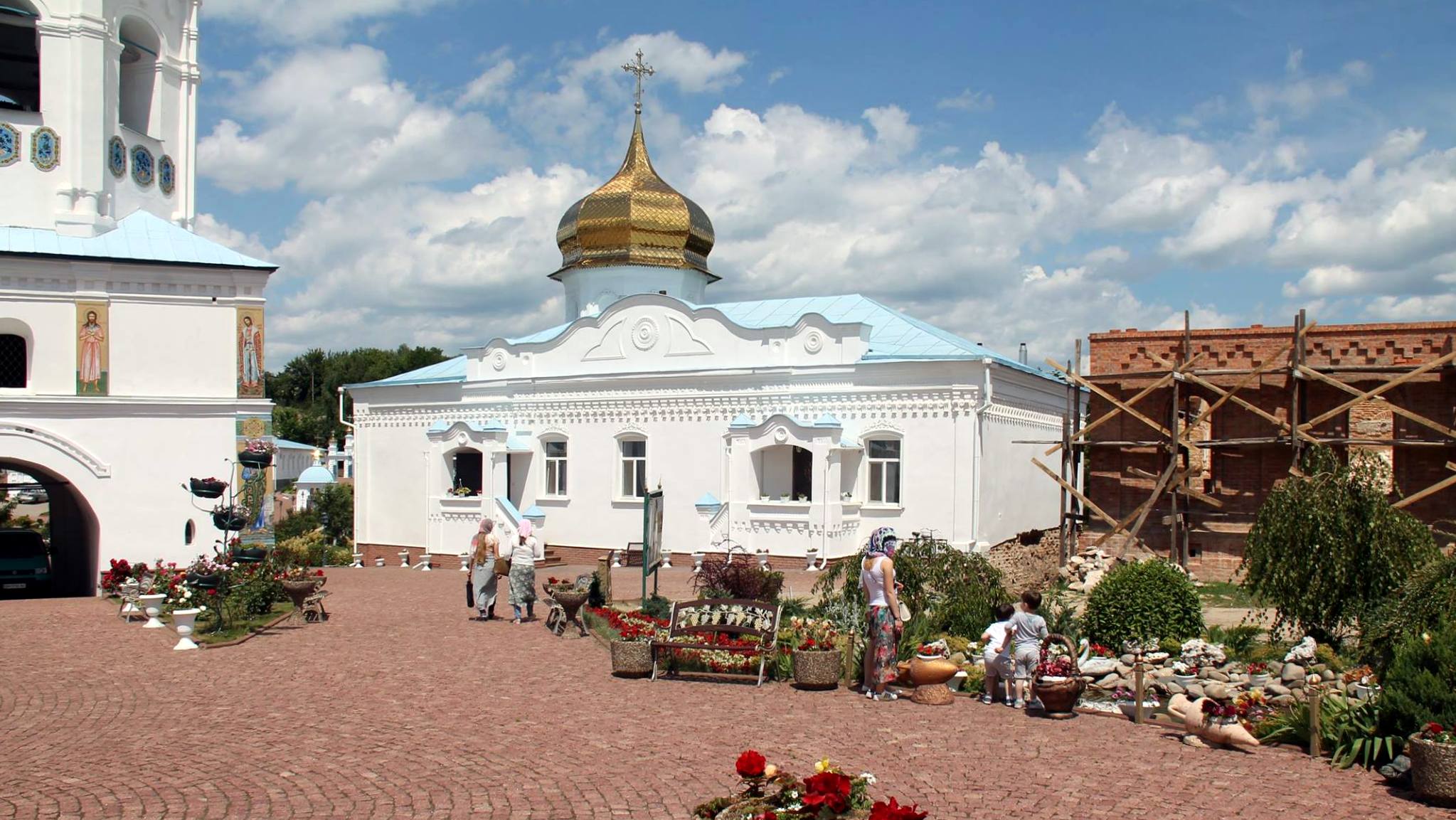
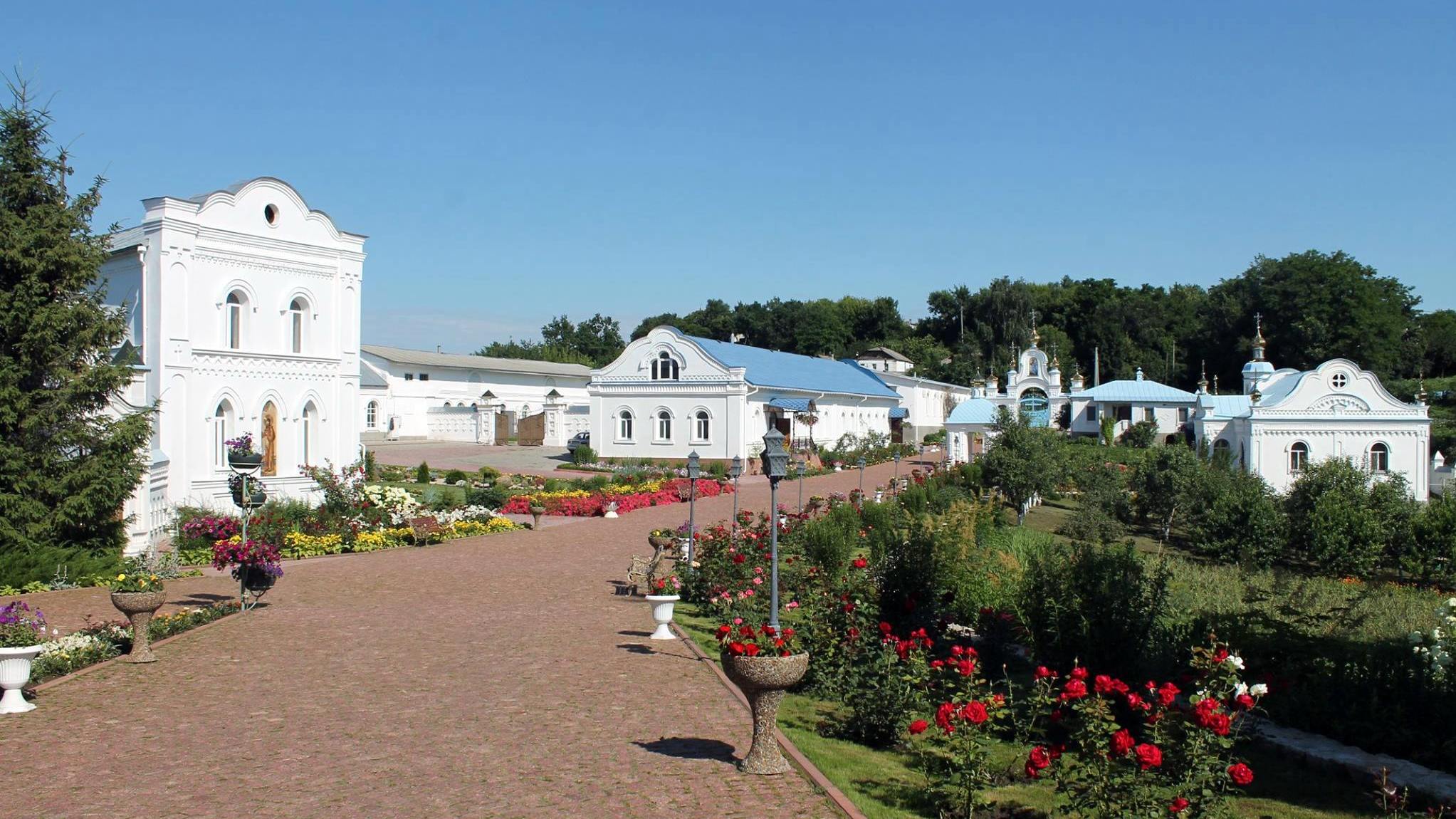
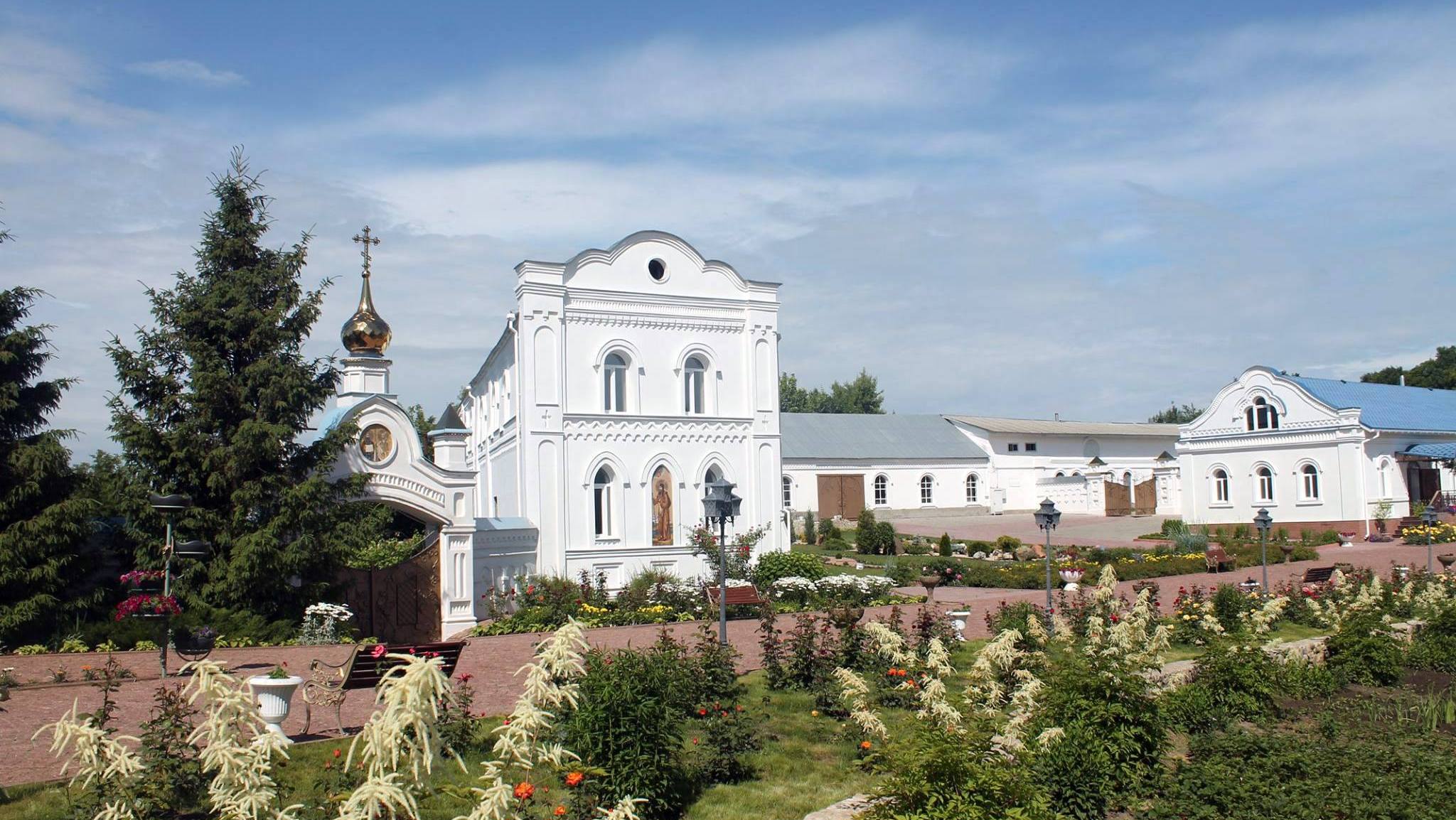
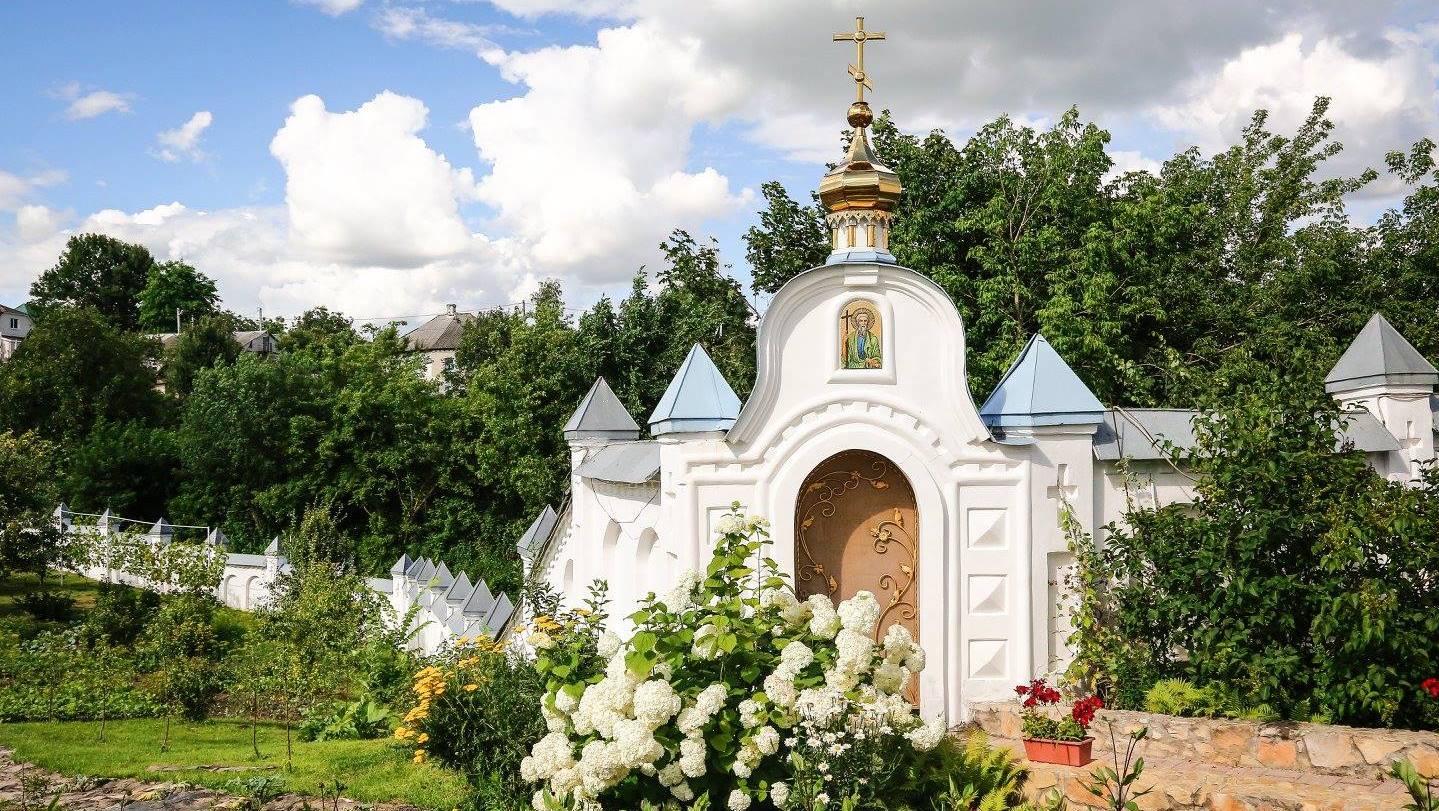
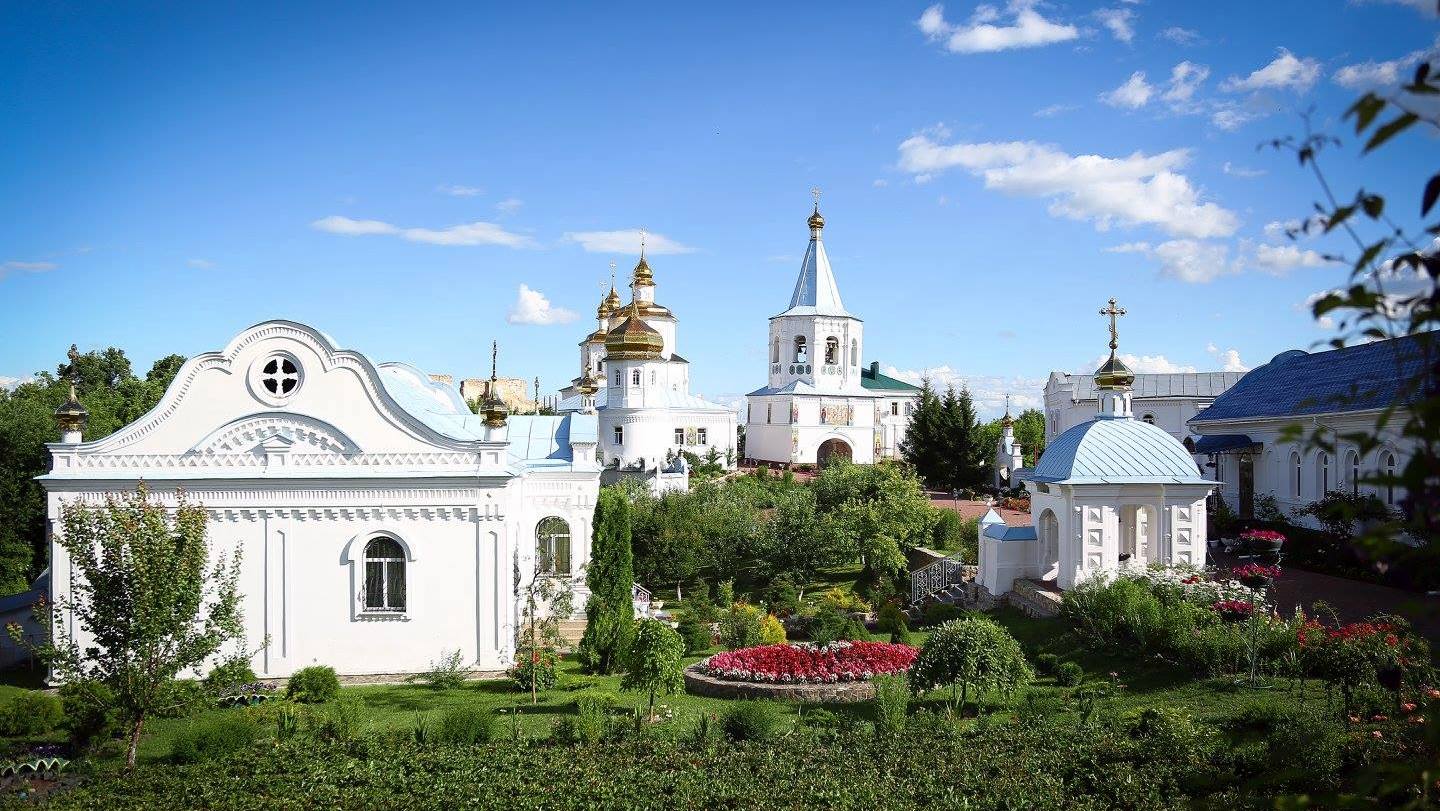
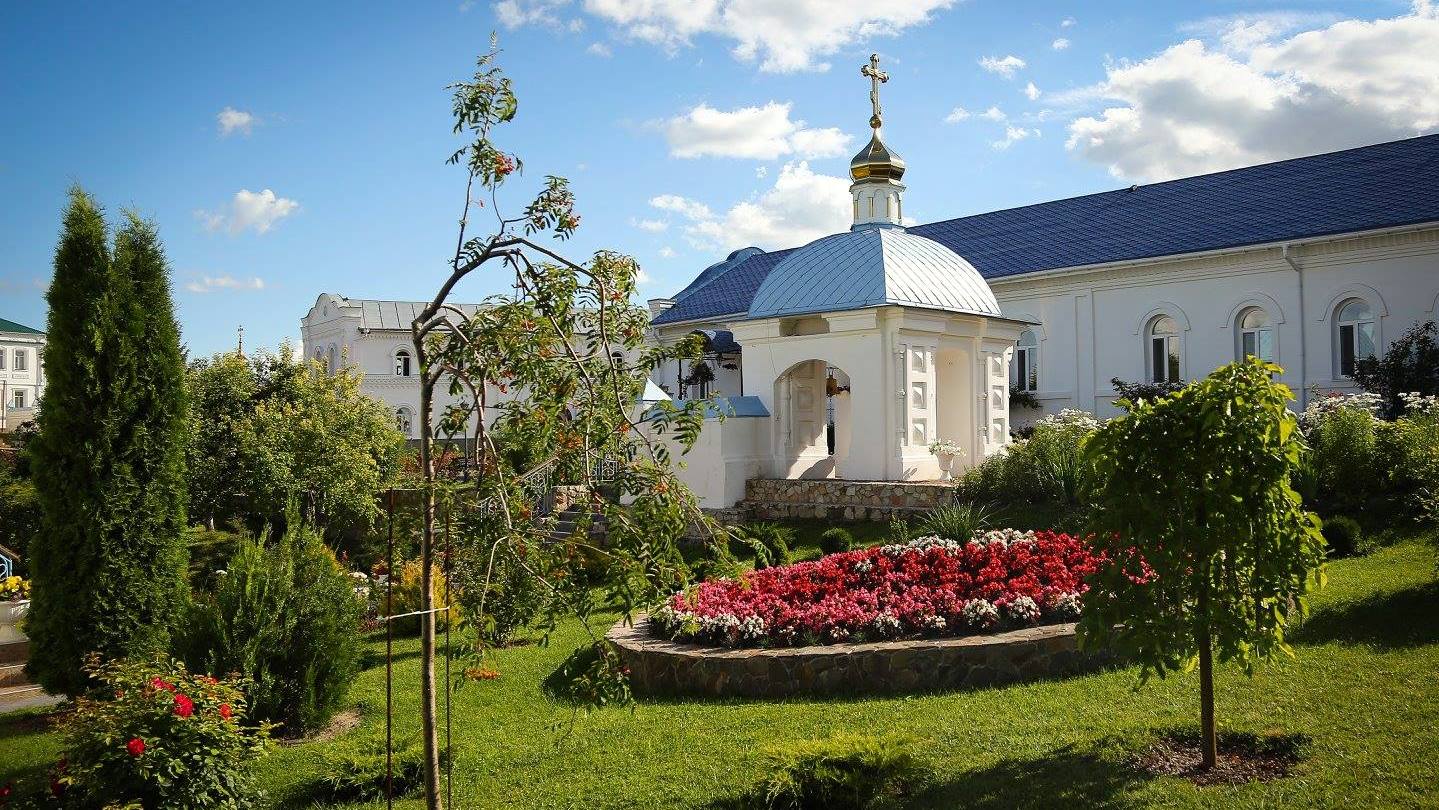
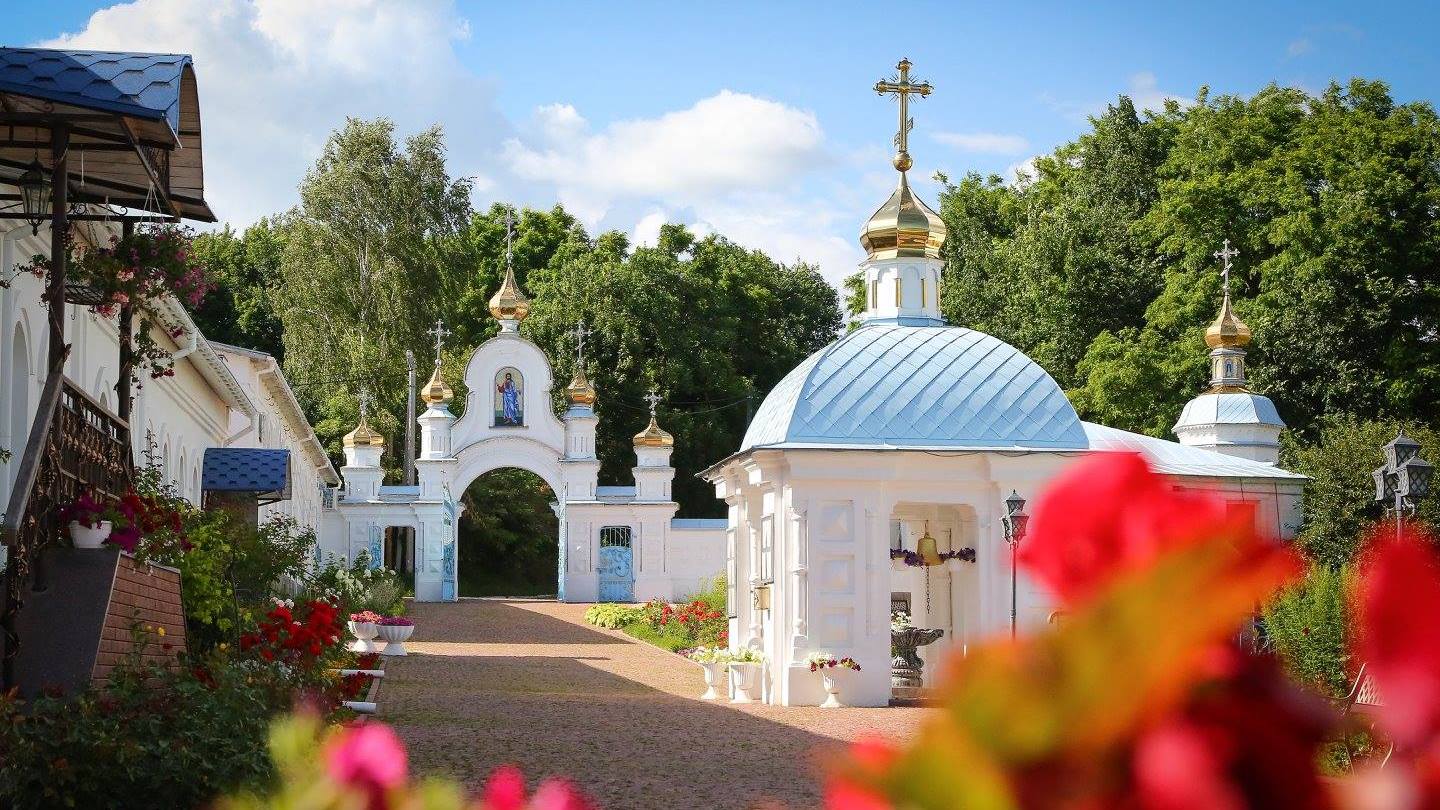
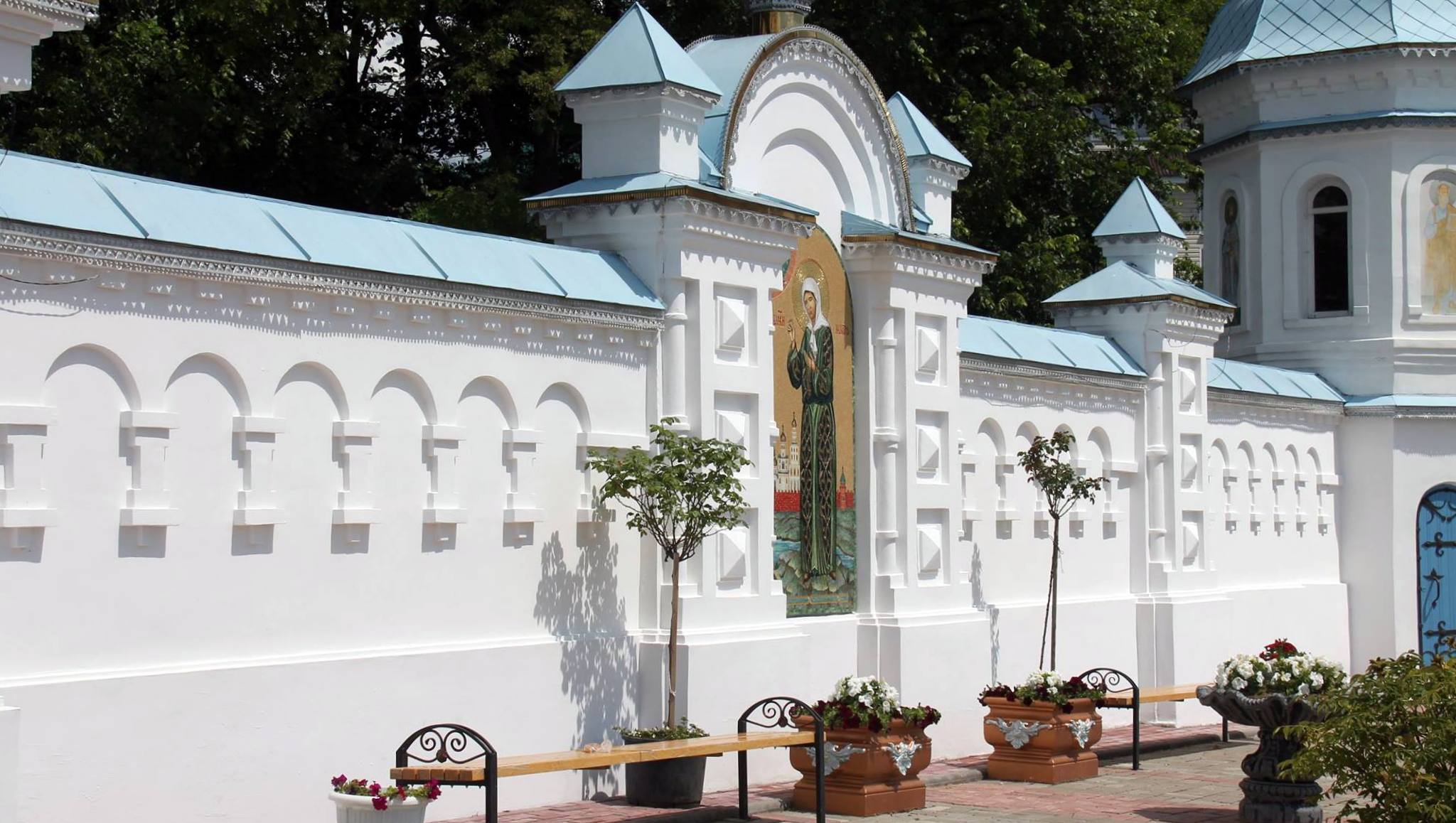
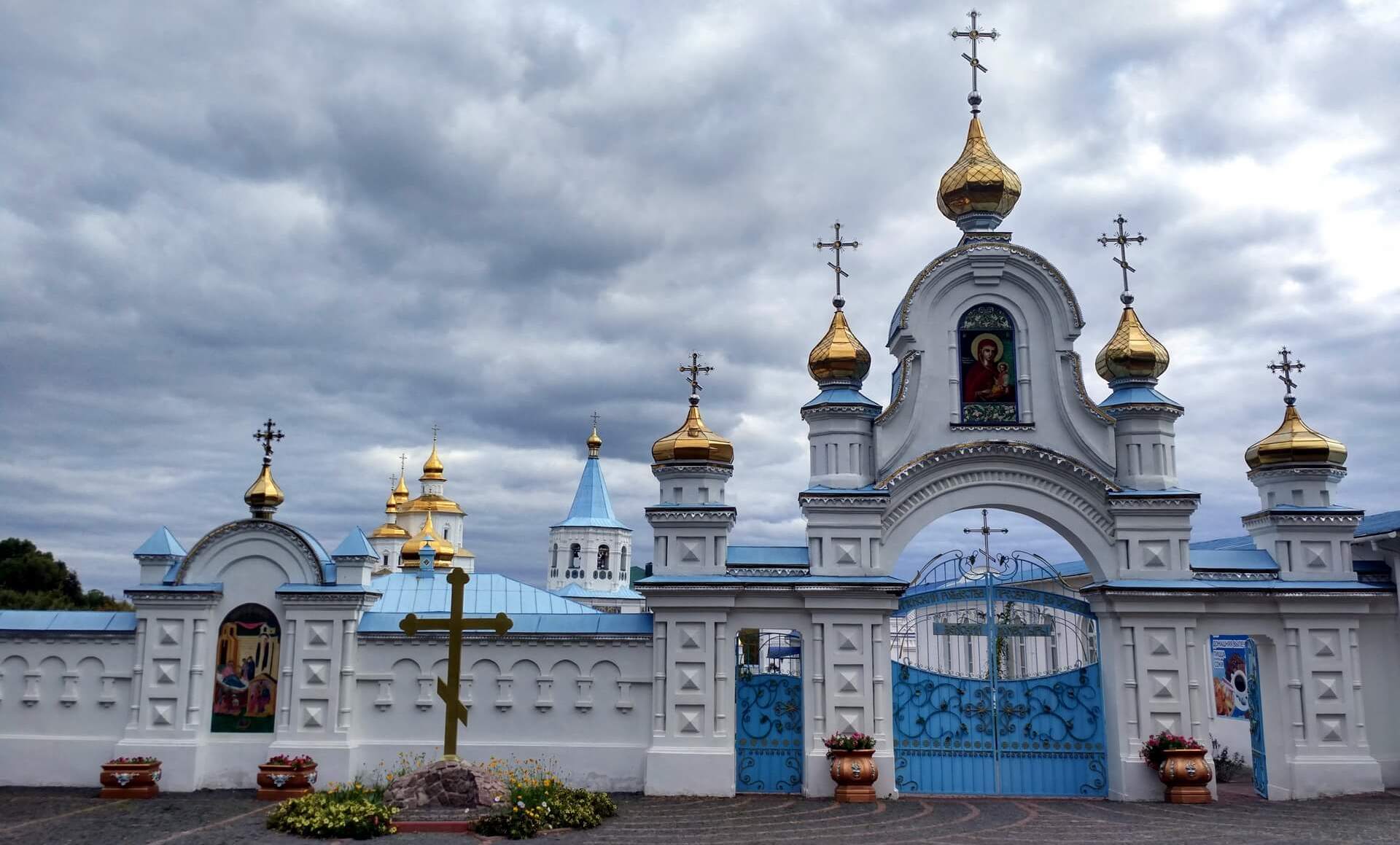
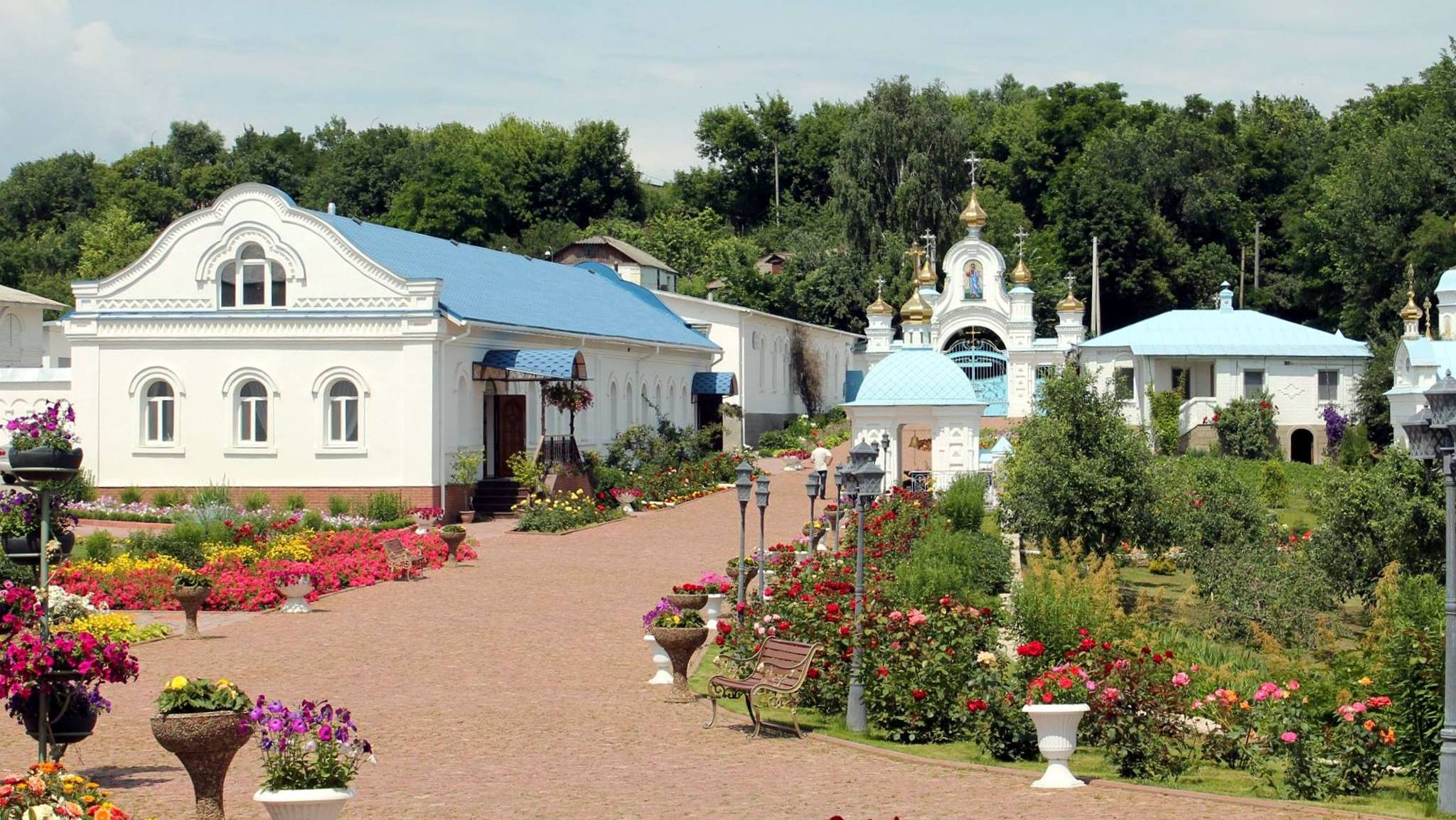
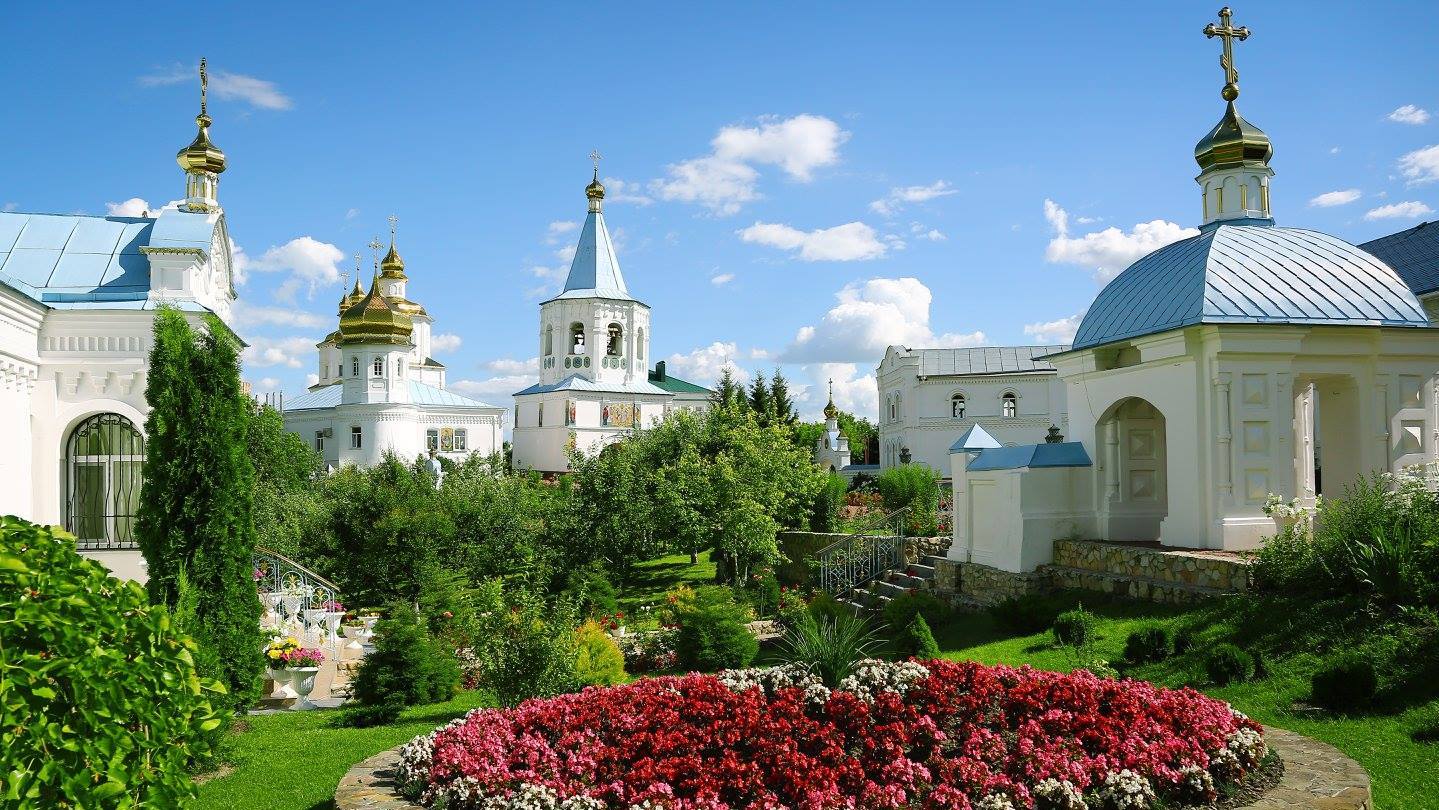
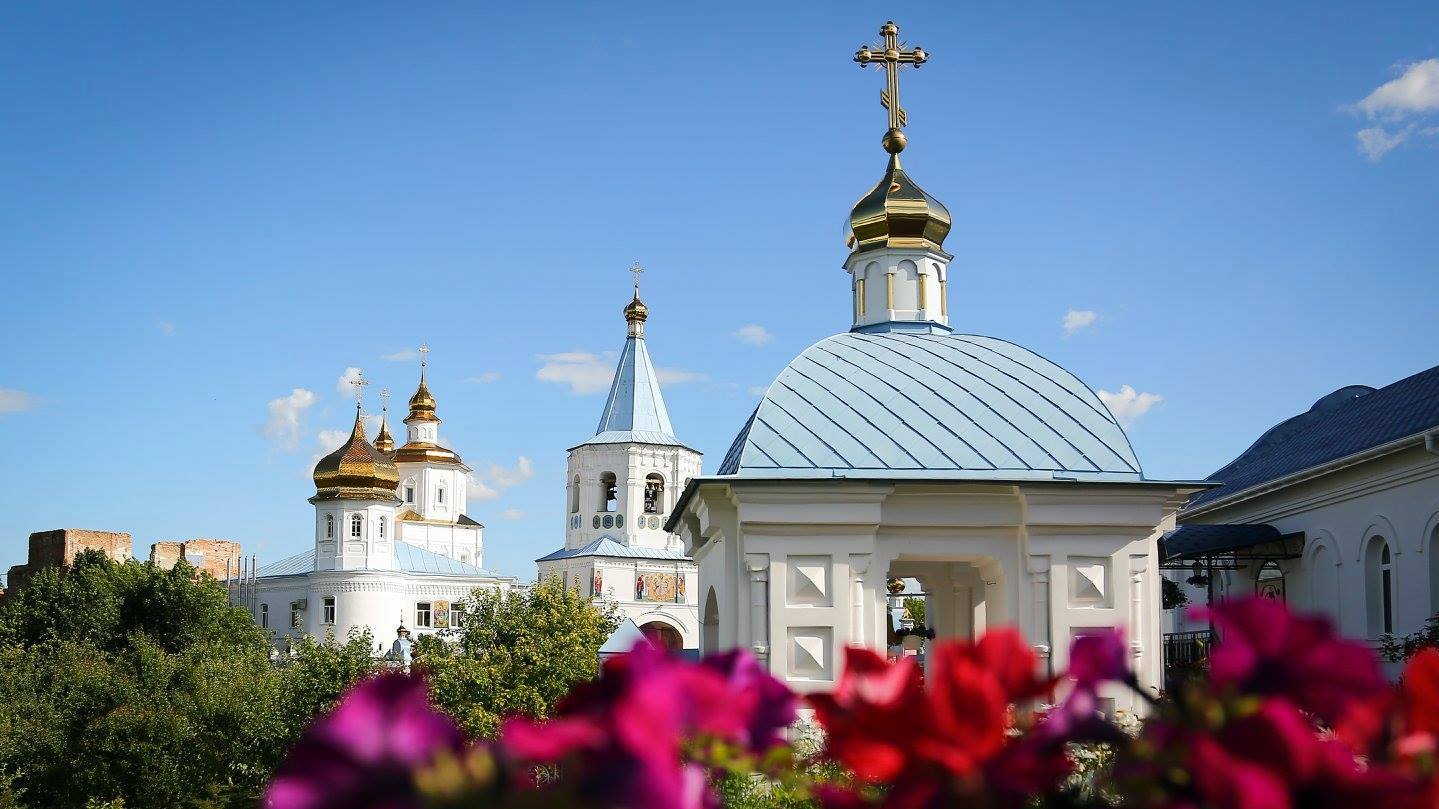
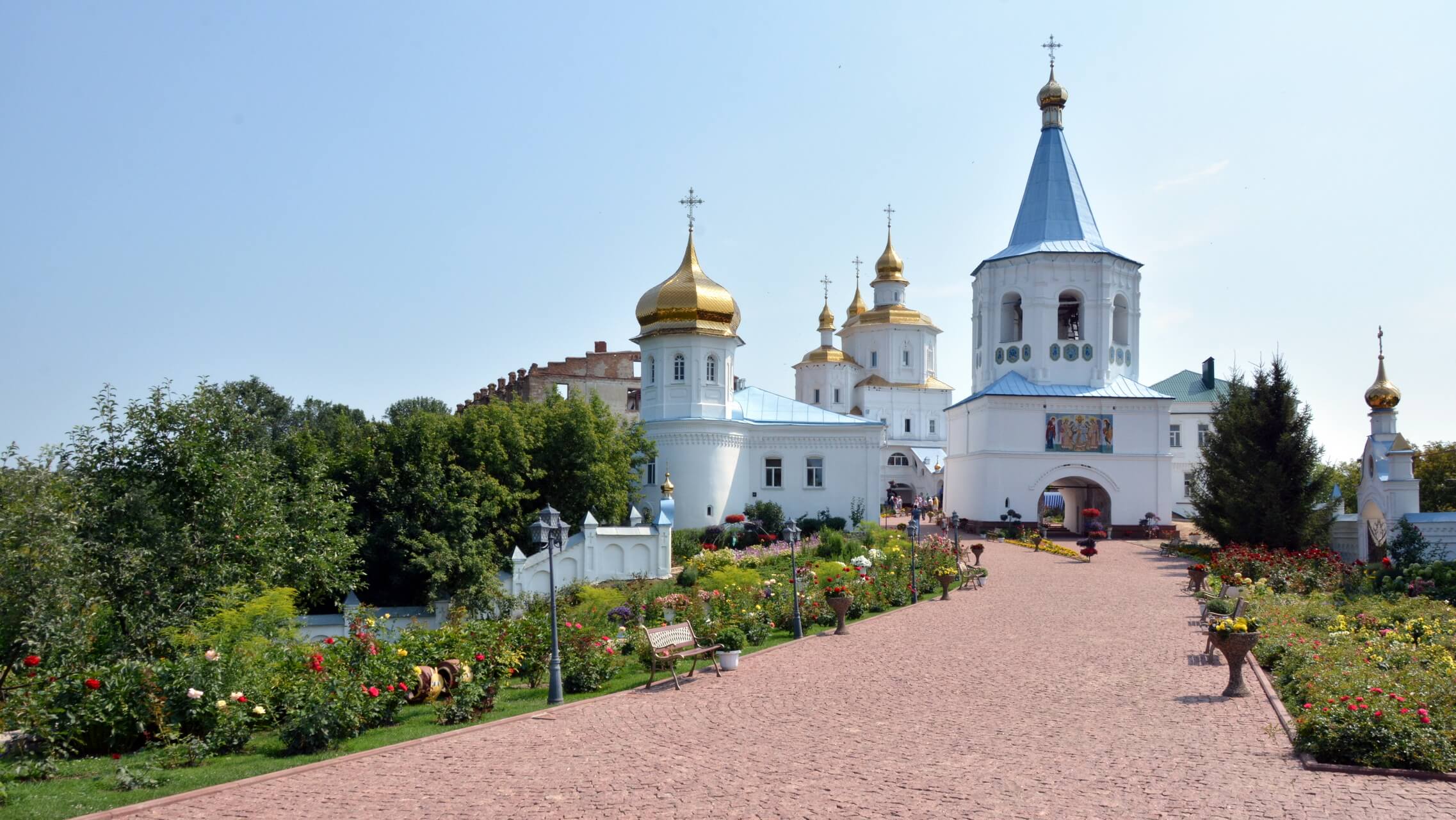
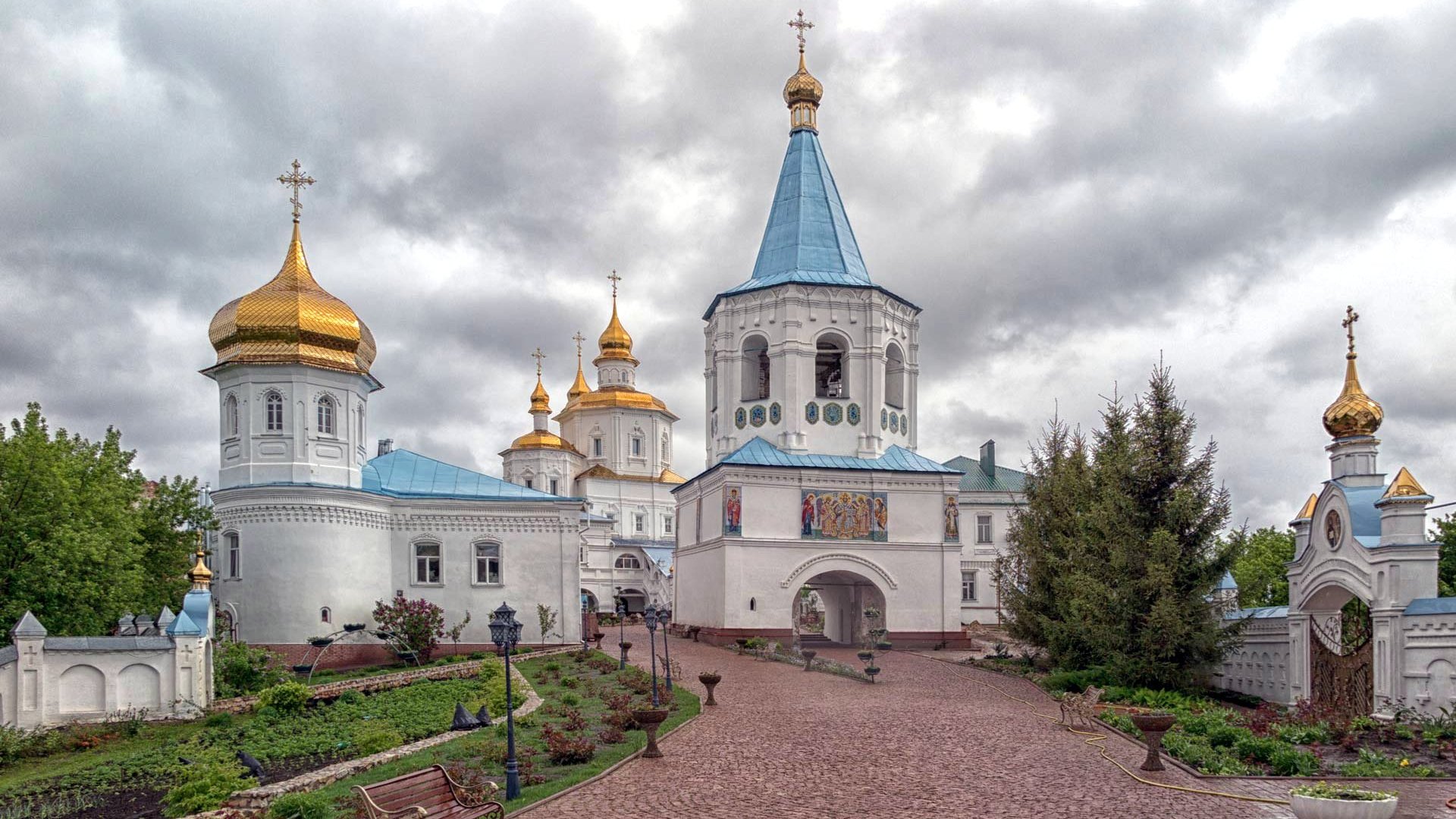
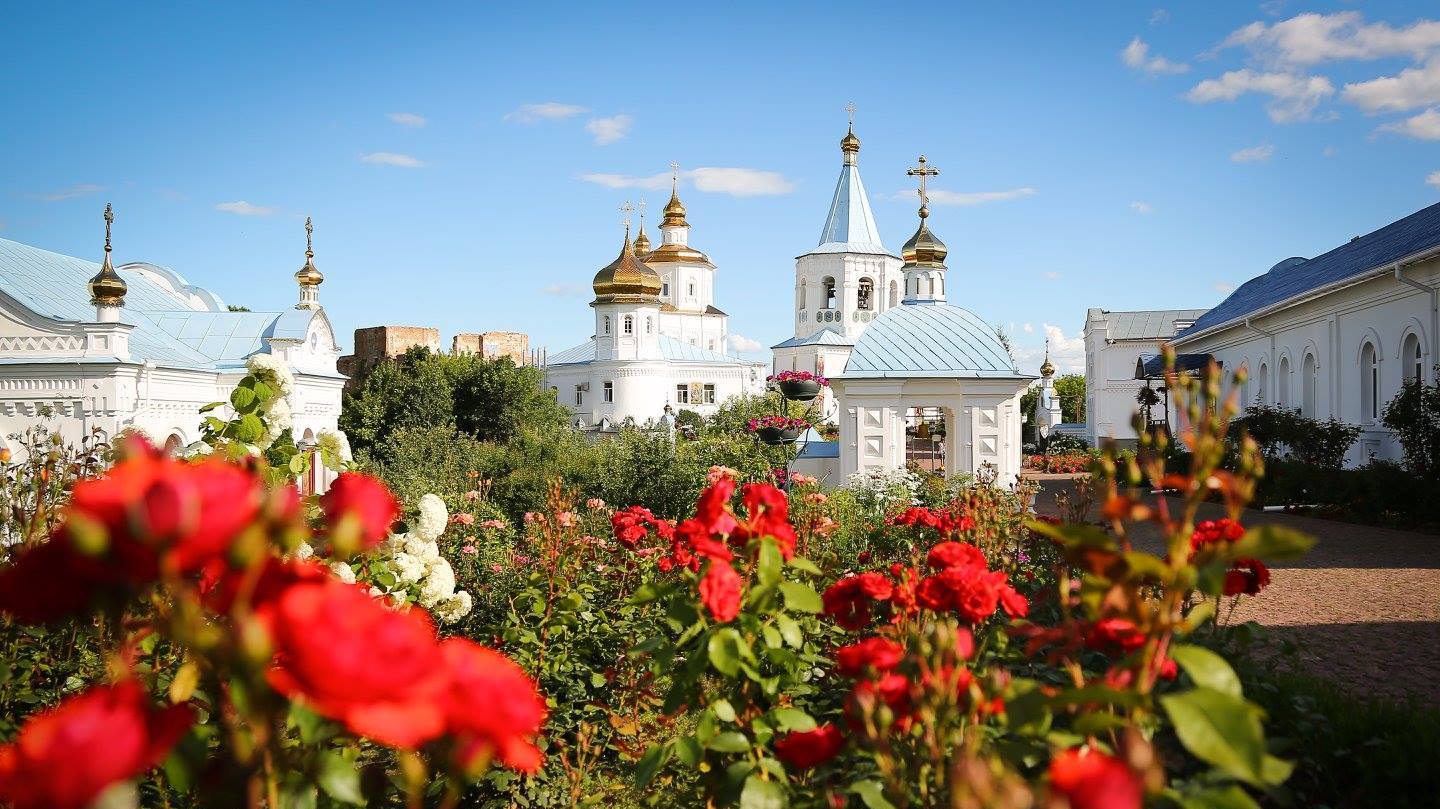
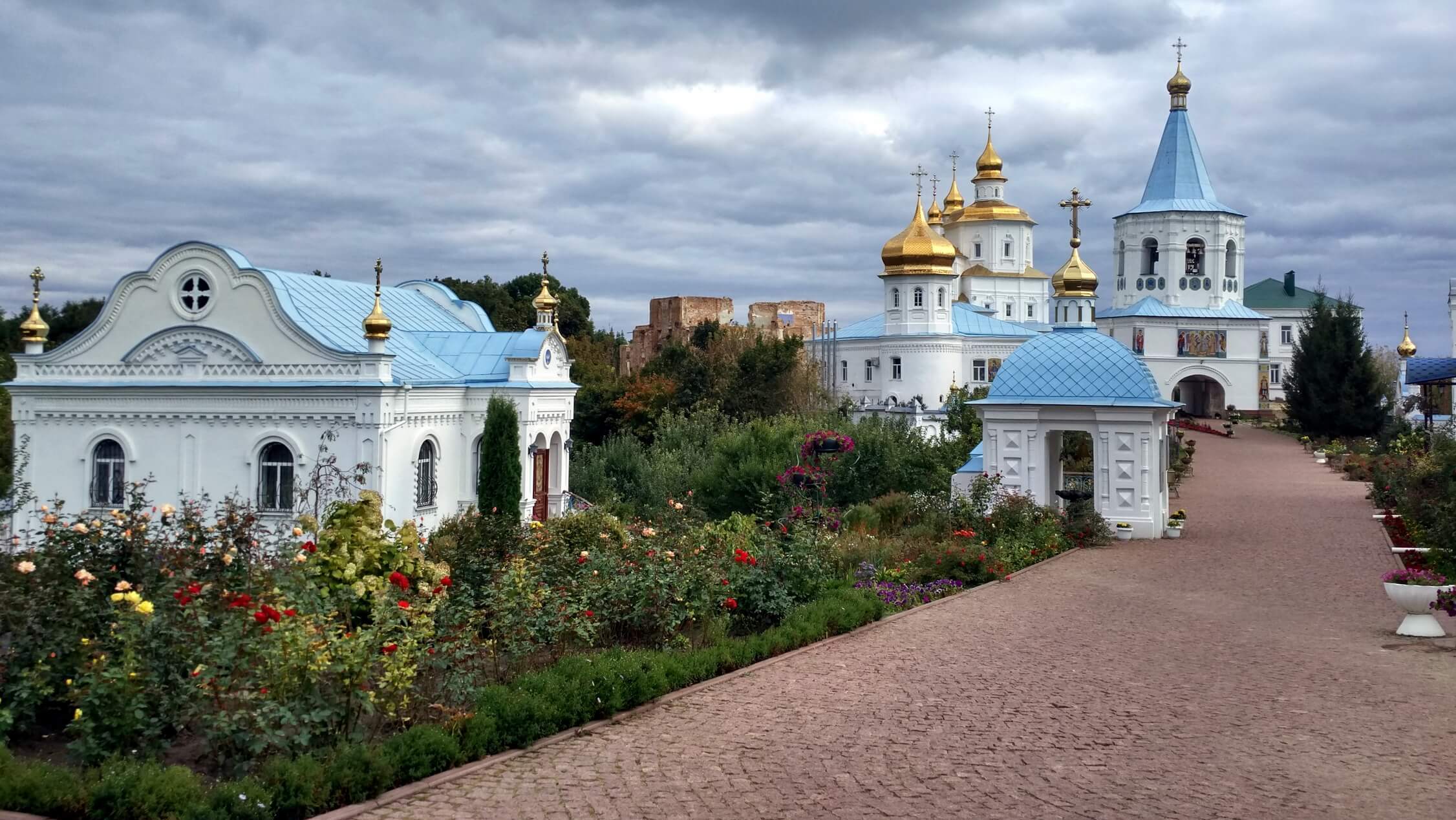
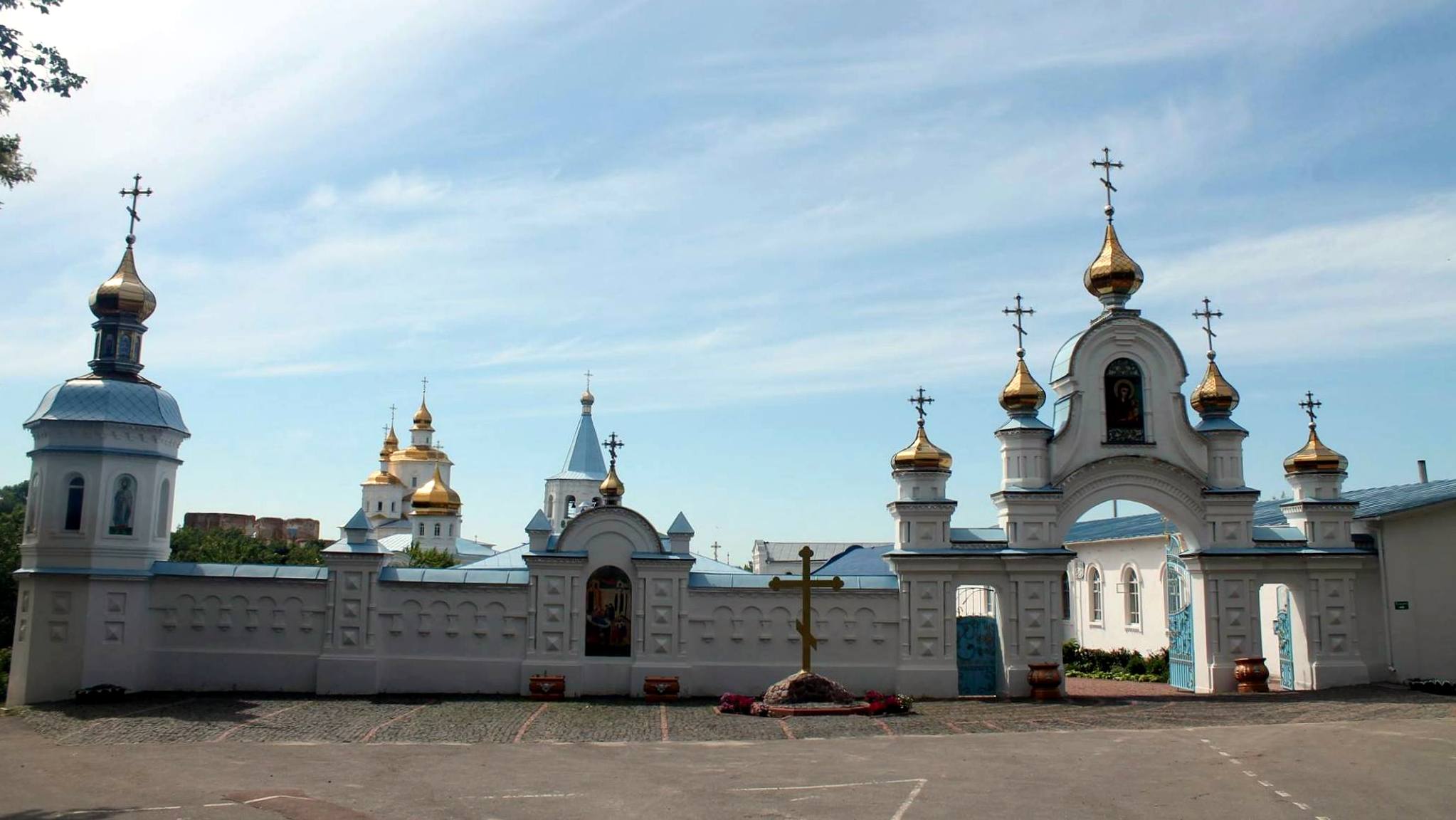
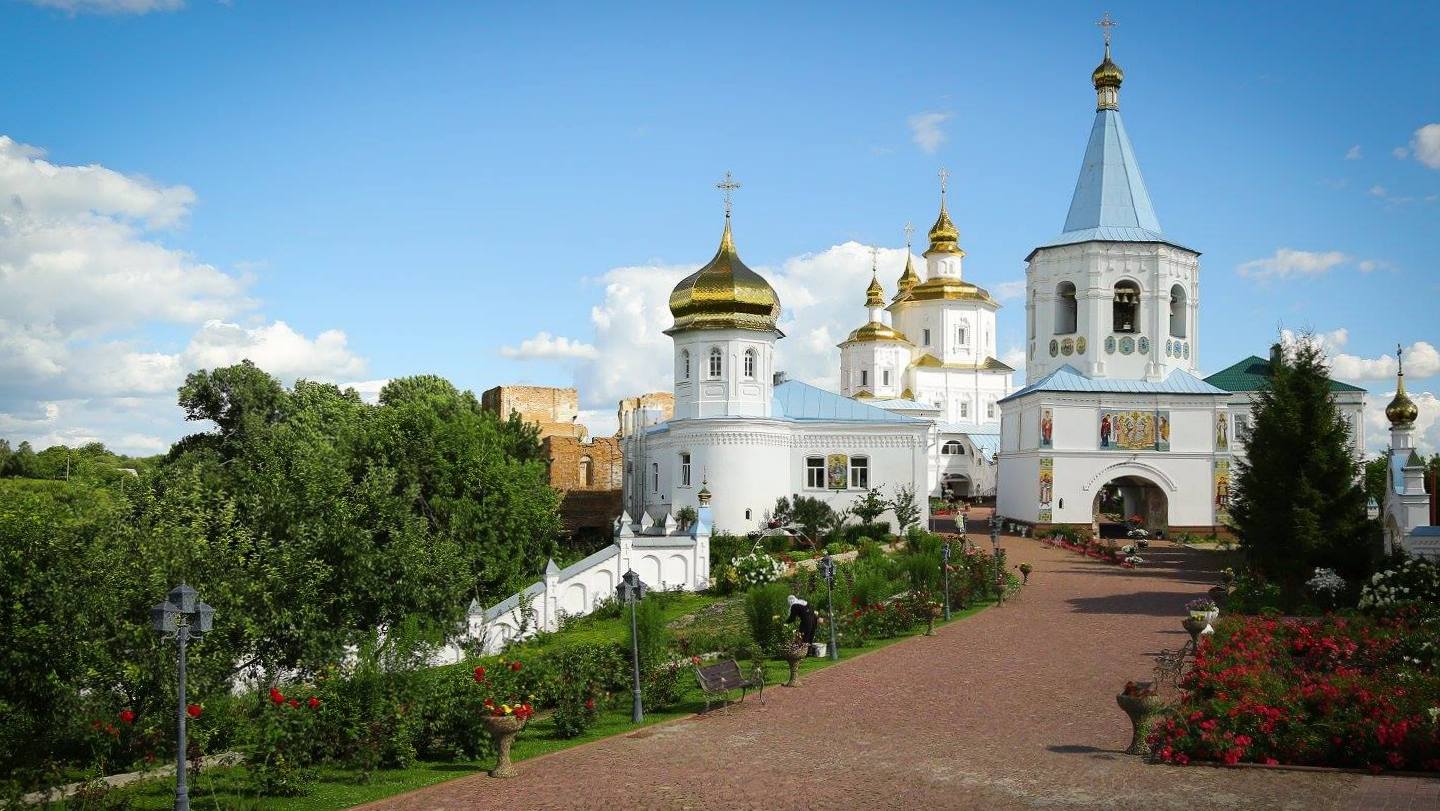
The Molchensky Caves women's monastery of the Nativity of the Mother of God stands on the south-eastern edge of the town of Putyvl in the Sumy region and belongs to the Konotop eparchy of the Ukrainian Orthodox Church1. It is a monastery-fortress: brick defensive walls with towers and a gate bell tower, the cathedral of the Nativity of the Mother of God, a refectory, a church of the Nativity of John the Baptist and the superior's building1, 4. The whole complex is listed as an architectural and urban-planning monument of national significance4.
The monastery is first mentioned in 1591 in the Putyvl survey books, and its first known superior, Hegumen Illia, is named in a patriarchal letter of 5 September 15972. Its history is traced back to the Molchenska hermitage, founded in 1405 near what is now the village of Nova Sloboda and destroyed in a Tatar raid: its monks moved into the Putyvl fortress3, 1. Exactly when, the sources do not agree: by some accounts in 1593, by others in 1602-16033, 1. The name "Molchensky Caves Monastery of the Nativity of the Mother of God" settled from 16051.
The masonry buildings went up at the turn of the sixteenth and seventeenth centuries. In 1603 Tsar Boris Godunov granted the monastery estates and gave it a costly panagia4. The defensive walls with their towers and the gate bell tower appeared in 1602-16041, 3, 4, while on the main cathedral the sources part company: one assigns it to the same campaign4, the other spreads its building from the 1580s to the 1630s2.
From 18 November 1604 to 26 May 1605 the monastery was the residence of False Dmitry I, and it was then that the cathedral and the other structures appeared4, 1. On 24 April 1612 a fire broke out in the cathedral; the church was rebuilt in 1630 and consecrated anew in 16364. In 1654 Patriarch Makarios of Antioch visited the house2, and in the same year Paul of Aleppo described it4.
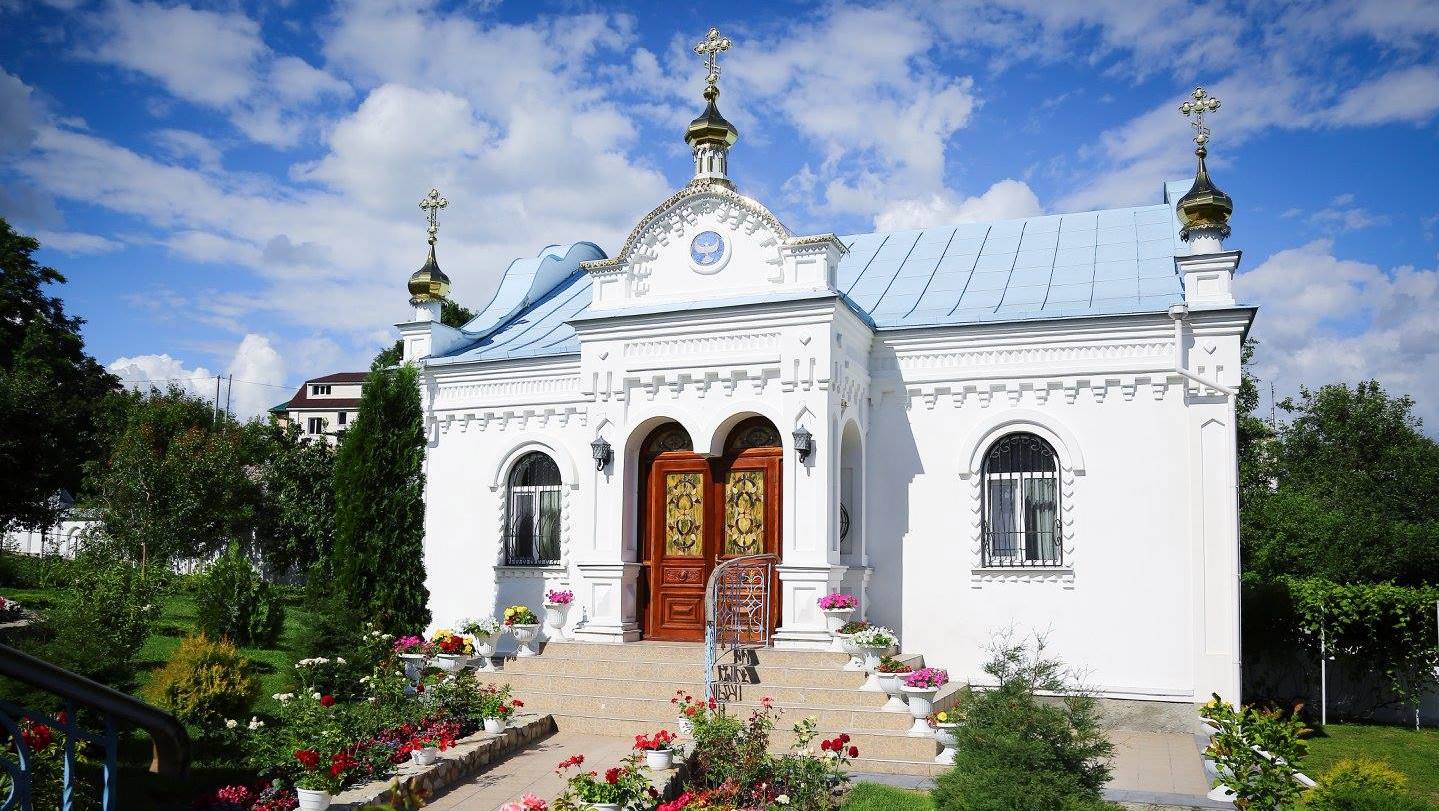
After the secularisation of monastic estates in 1786 the house became a third-class monastery4, and in 1822 it was listed as a men's monastery of the third class1. The cathedral was repaired in 1778, when the forms of its tops were changed and the arches of its two-tier gallery were walled up, and it was consecrated anew; in 1804 a side altar was mended4. In the 1830s the monastery was rebuilt1, in the 1860s a single-storey library wing was added to the cathedral and has not survived4, and in 1866-1869 the warm church of the Nativity of John the Baptist appeared2.
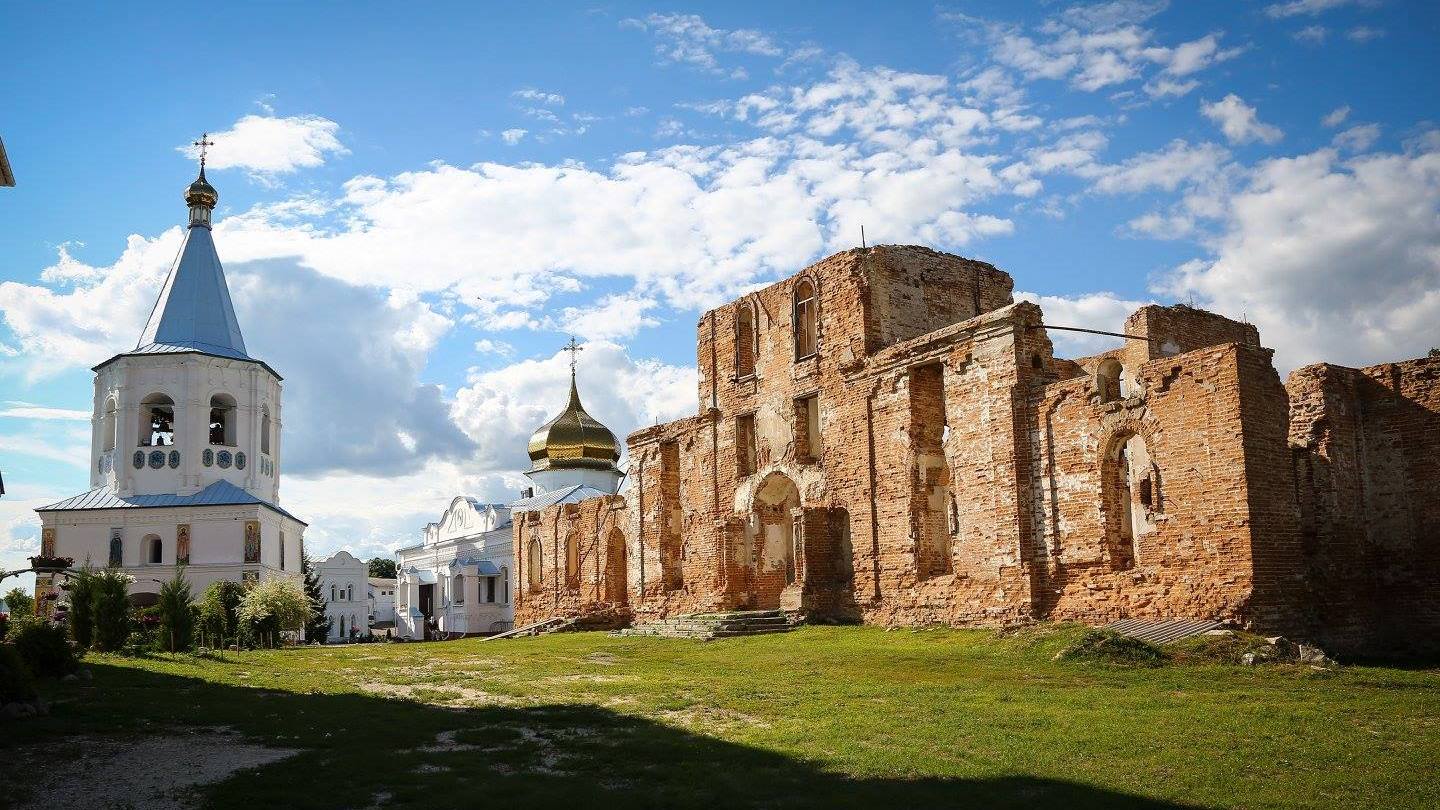
A fire destroyed the main cathedral, and after it the monastery was closed; the sources date the fire to 25 January 19212 or to 19204. The cathedral's gallery and the library were dismantled at the same time4. In 1927 F. Ernst tried to save the monastery buildings and secured their transfer to a religious community4; from the 1930s, however, they housed an orphanage, a rural vocational school and a military factory, which brought the complex to a catastrophic state2, 3, 4. In 1962 the Putyvl district and Sumy regional executive committees proposed striking the cathedral building from the register of architectural monuments and demolishing it, but that did not happen4.
Study of the monastery began in the 1950s and restoration work was carried on from the late 1960s, yet at the end of the twentieth century not one monument of the complex had been brought out of its emergency condition4.
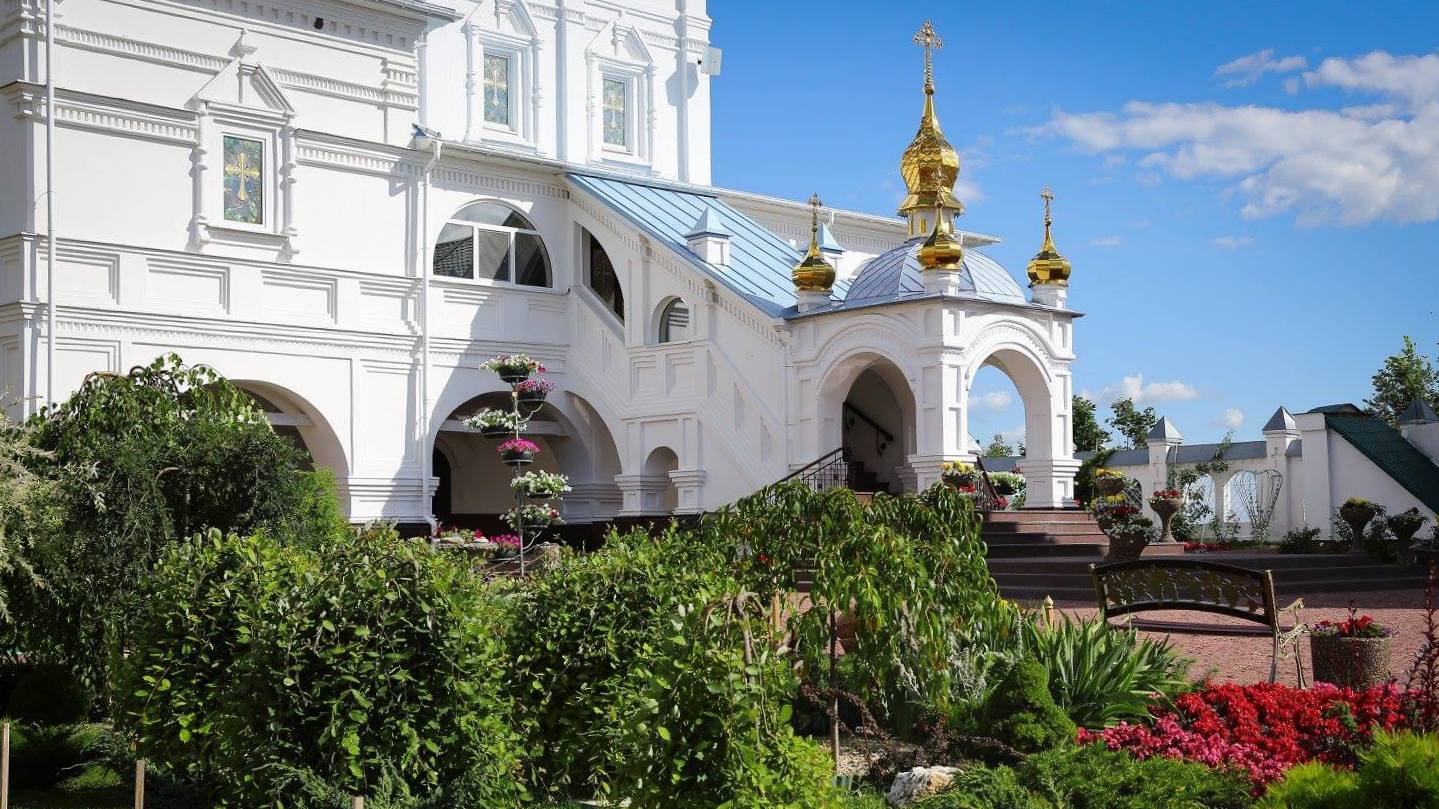
On 11 October 1991 religious life resumed in the house1; the sources date the transfer of the complex to the church to 19912 or to 19923, 4, and in 1997 the community became a women's monastery2, 4. The restoration of the cathedral was only completed in 1993-2021, when the lost gallery and stairs were recreated, a new iconostasis was made and all the buildings were restored4. On the night of 23-24 February 2018 vandals broke into the monastery: they smashed windows, forced the doors, damaged icons and stole silver3.
Show sources
- 1. «МОЛЧЕНСЬКИЙ МОНАСТИР» (encyclopaedia). Енциклопедія історії України (accessed: 2026-08-28)
- 2. «Молченський печерський Різдва Пресвятої Богородиці жіночий монастир» (encyclopaedia). Енциклопедія Сучасної України (accessed: 2026-08-28)
- 3. «Вандали пограбували старовинний монастир на Сумщині» (UOC news). Українська Православна Церква, офіційний новинний сайт (uoc-news.church), 2018 (accessed: 2026-08-28)
- 4. «Мовчанський монастир у Путивлі» (encyclopaedia). Велика українська енциклопедія (accessed: 2026-08-28)
- Journal No. 8 session of the Holy Synod of UOC on 23.07.2025 year
- Journal No. 56 session of the Holy Synod of UOC on 28.10.1997 year
- Journal No. 38 session of the Holy Synod of UOC on 30.03.1995 year