Samara St. Nicholas's Monastery
+38(05629)37-31-70 - vicar.
48.631051, 35.284392
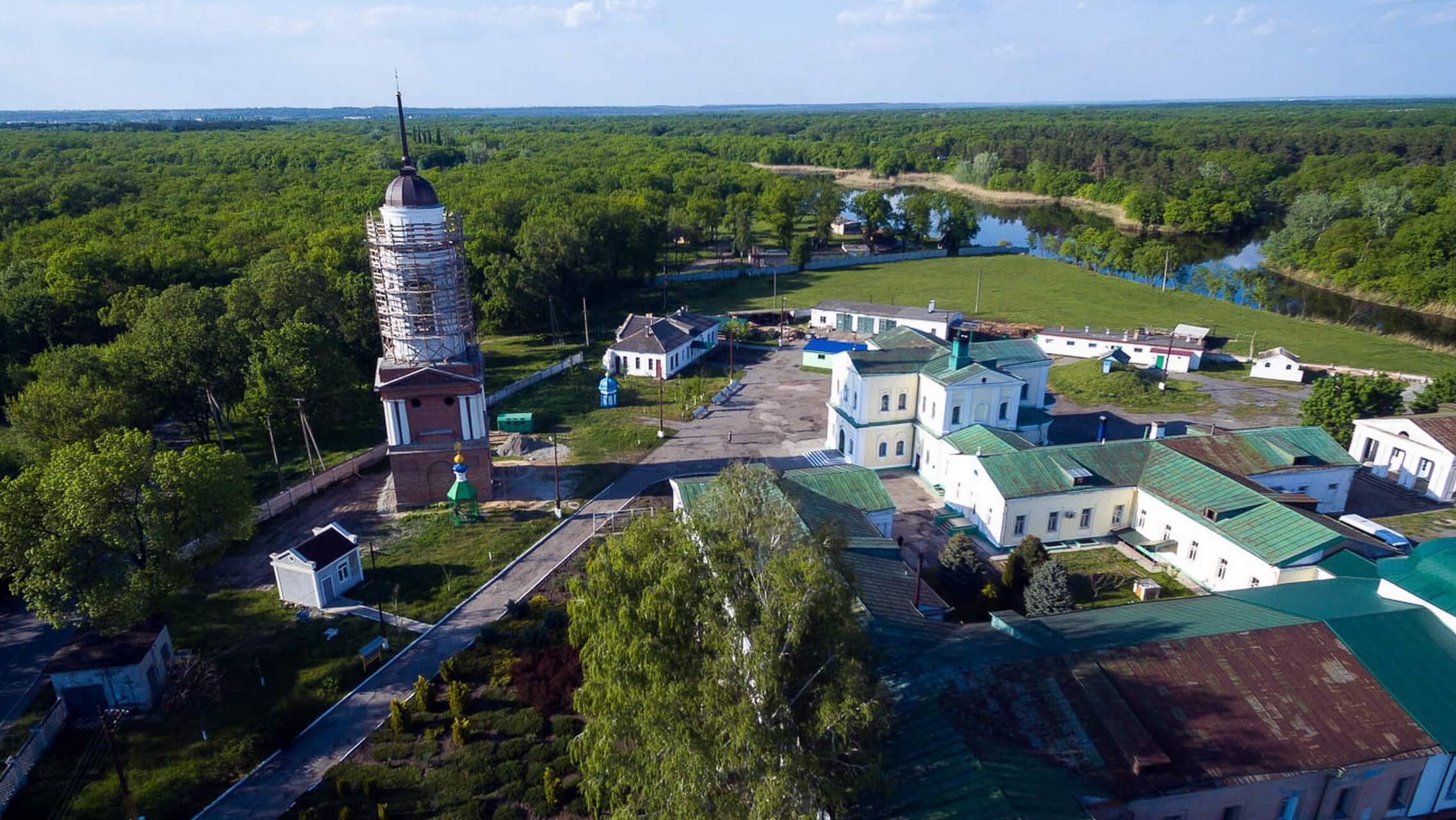
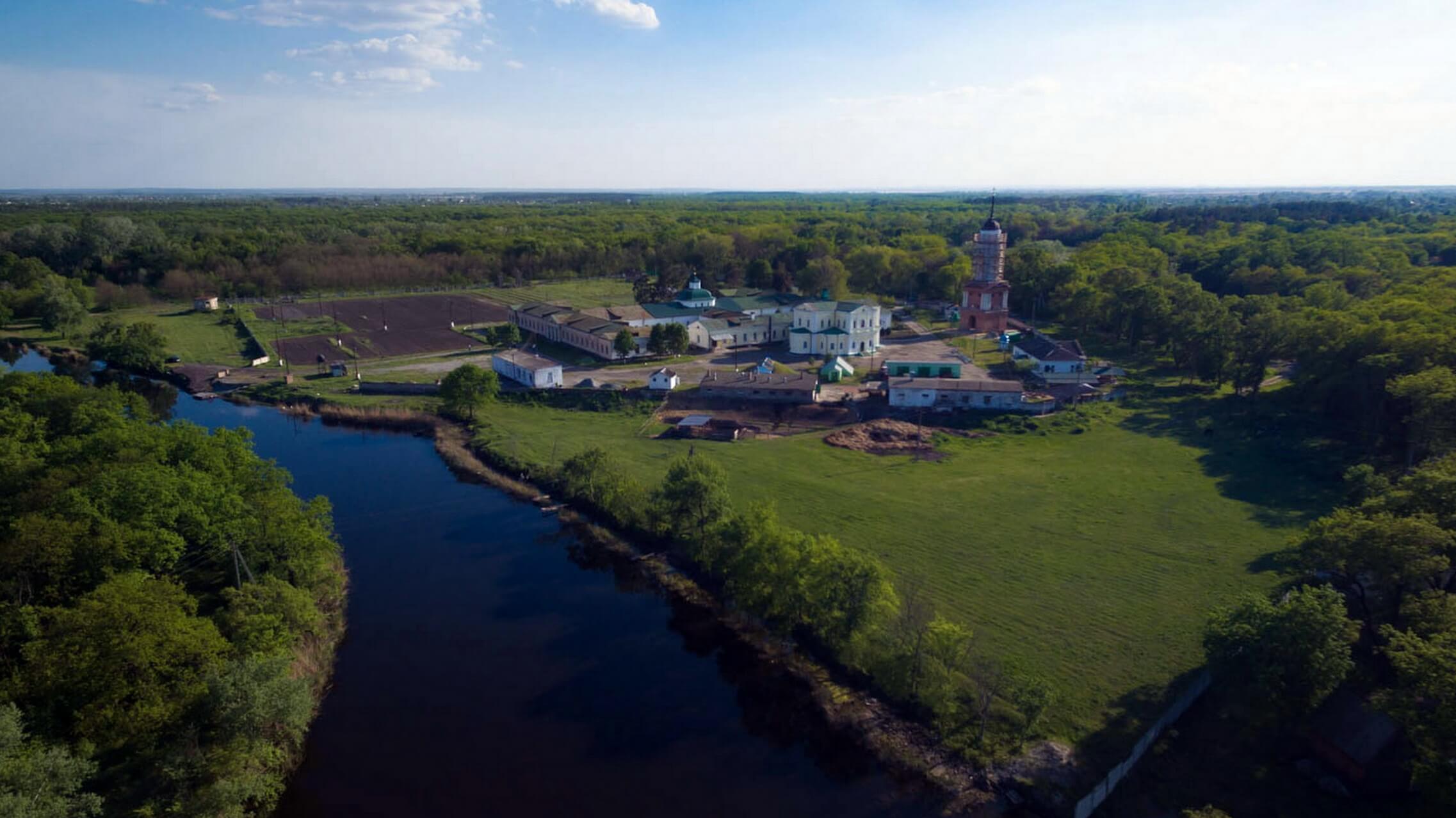
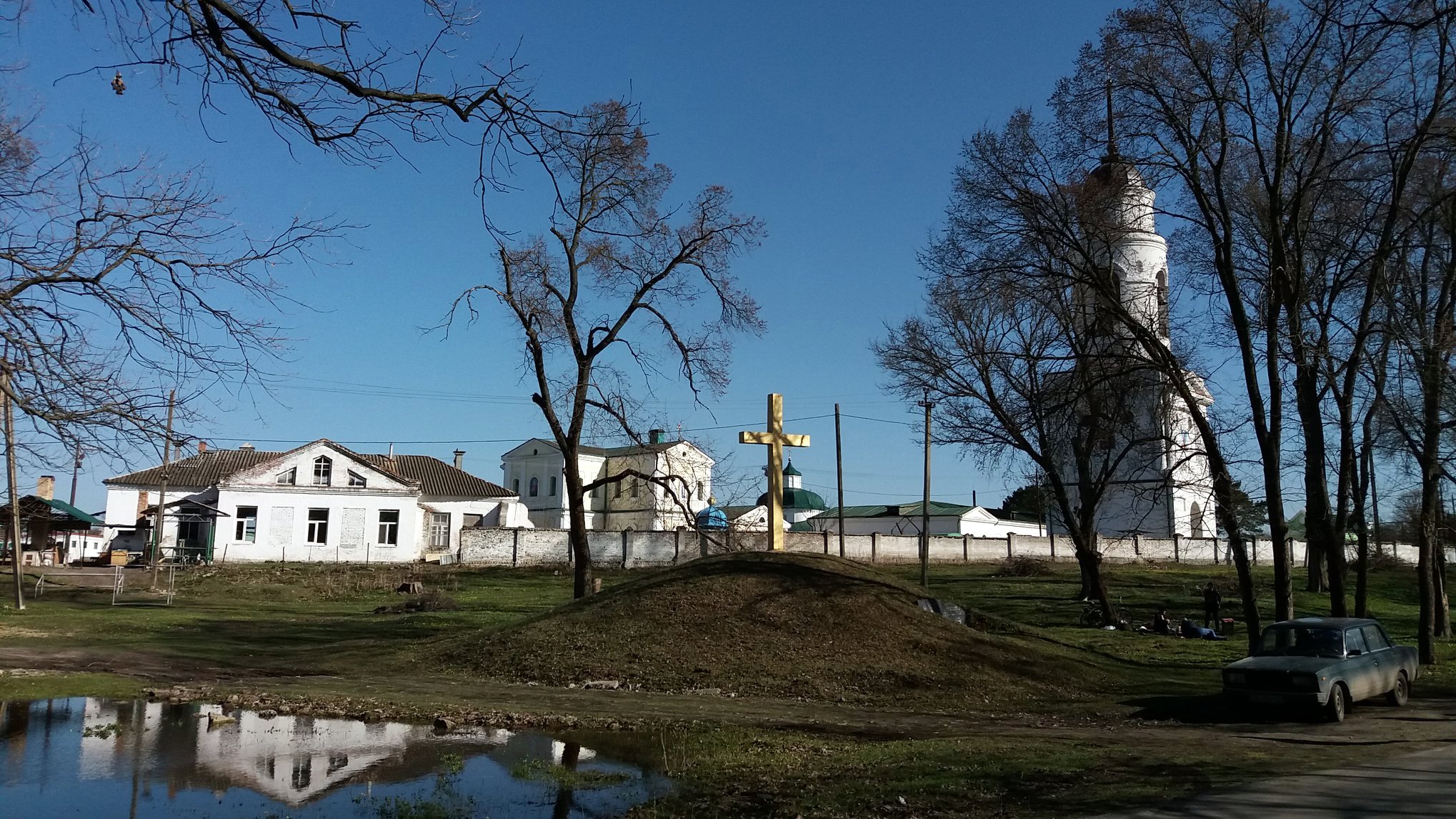
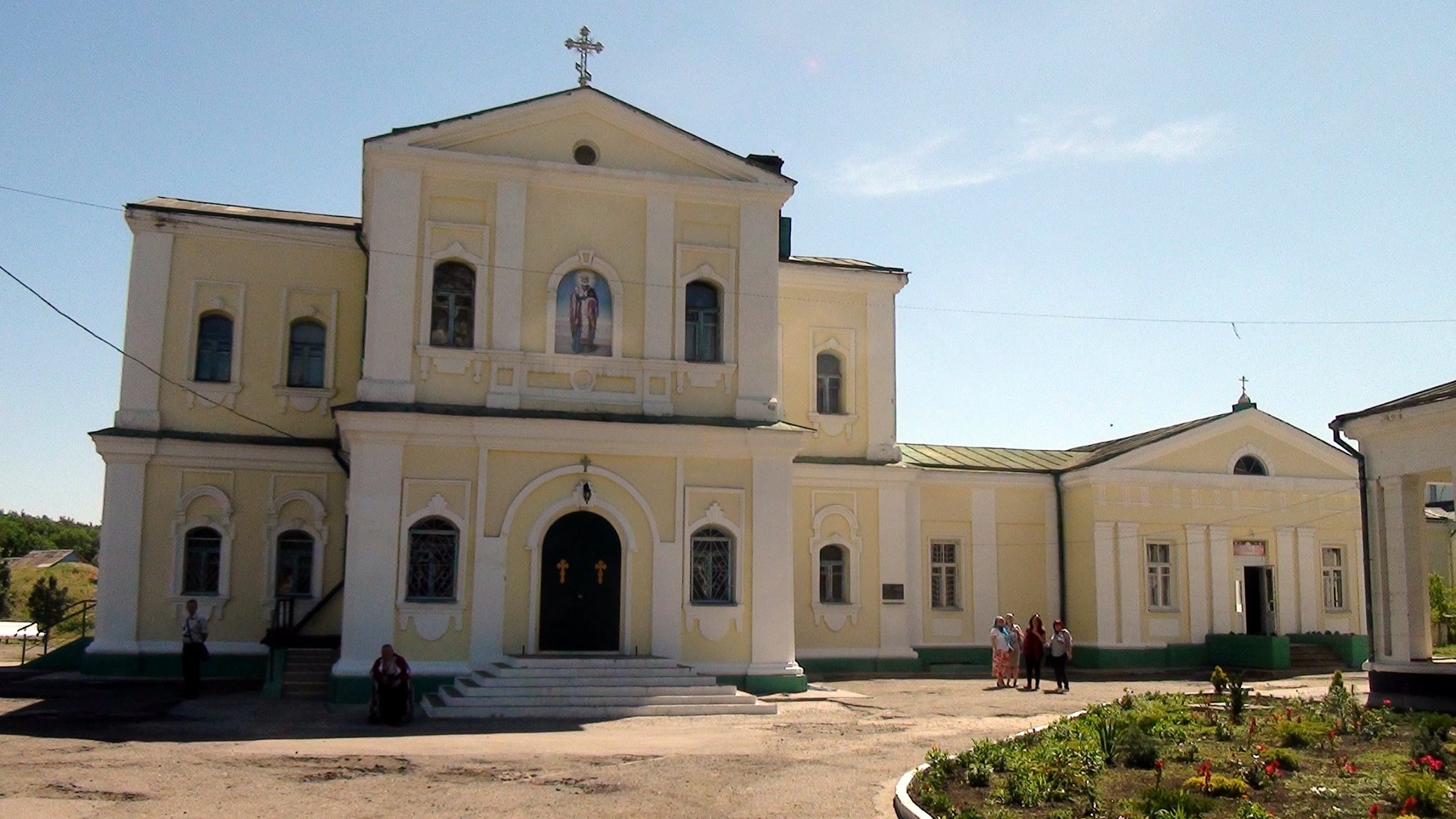
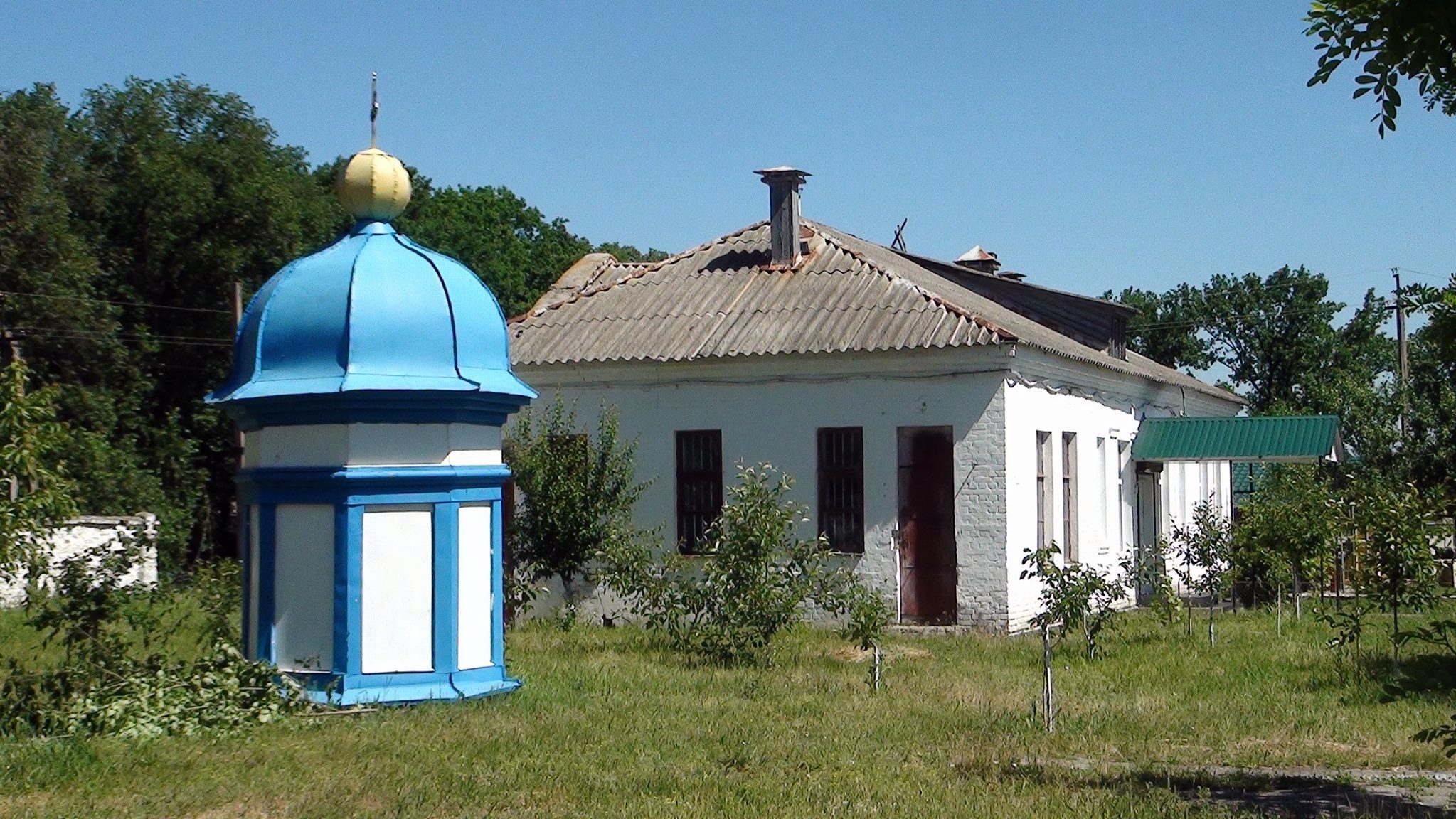
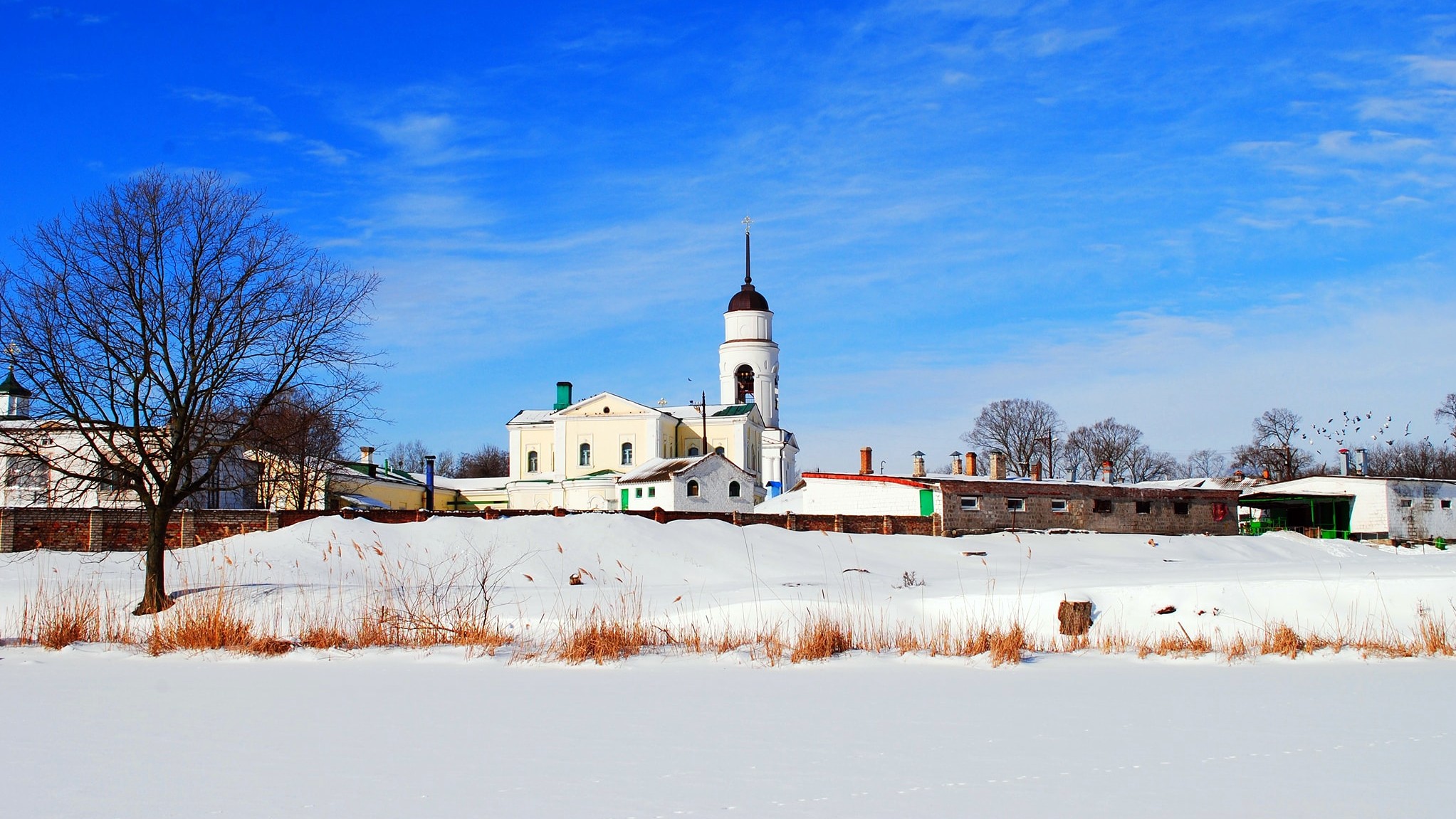
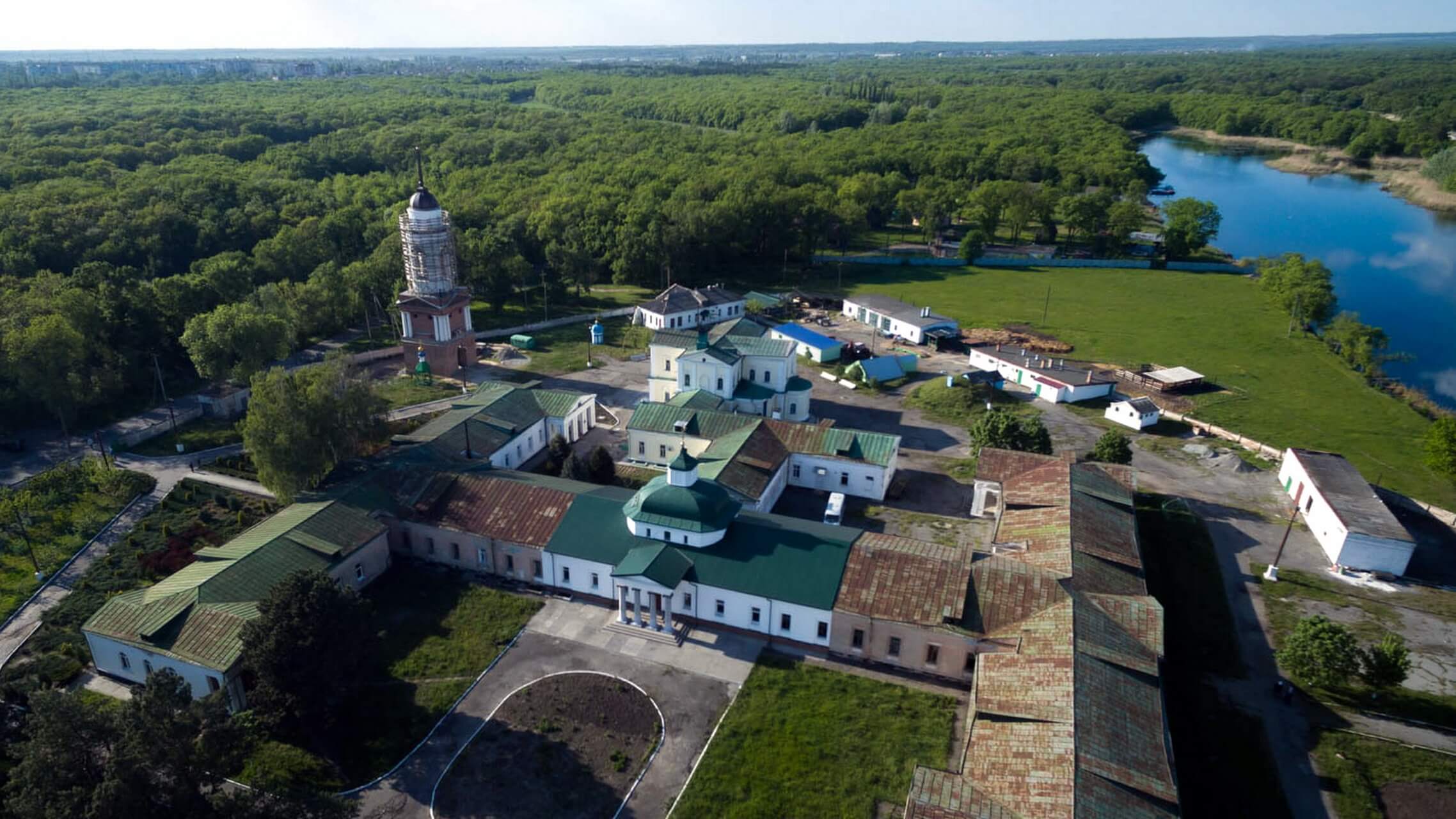
The community was founded in 1576 by two hermit monks on the island formed by the river Samara and its arm the Samarchyk, and in time it became a holy place of the Zaporozhian Cossacks1. In that same year the Zaporozhians received extensive lands, which included the old town of Samar with its surrounding forests; they began to fortify the town, and on an islet in an oak wood they set up a small fortification with a wooden church in honour of St Nicholas, where by order of the Zaporozhian Kish Cossacks crippled by wounds and all the sick were brought2. In 1602 the fortress became a monastery: a strict ascetic, the hieromonk Paisiy of the Cossack Kyiv-Mezhyhirya monastery, was invited here as superior1, 2; he sought stauropegic status for the community from the Patriarch of Constantinople, established a common refectory and introduced a monastic rule1. For the Cossacks the monastery was "God's paradise on earth", "a truly new Jerusalem"1.
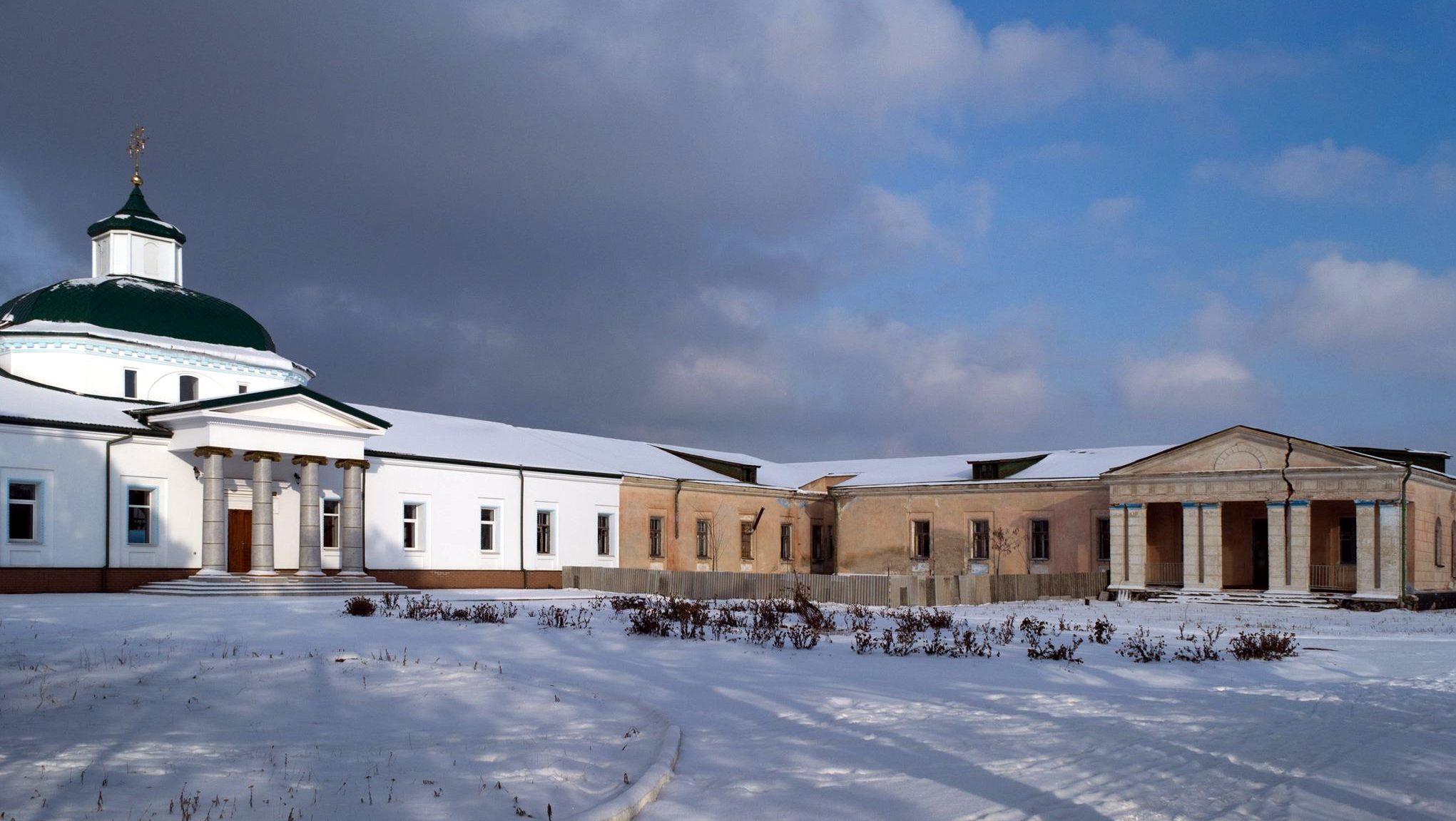
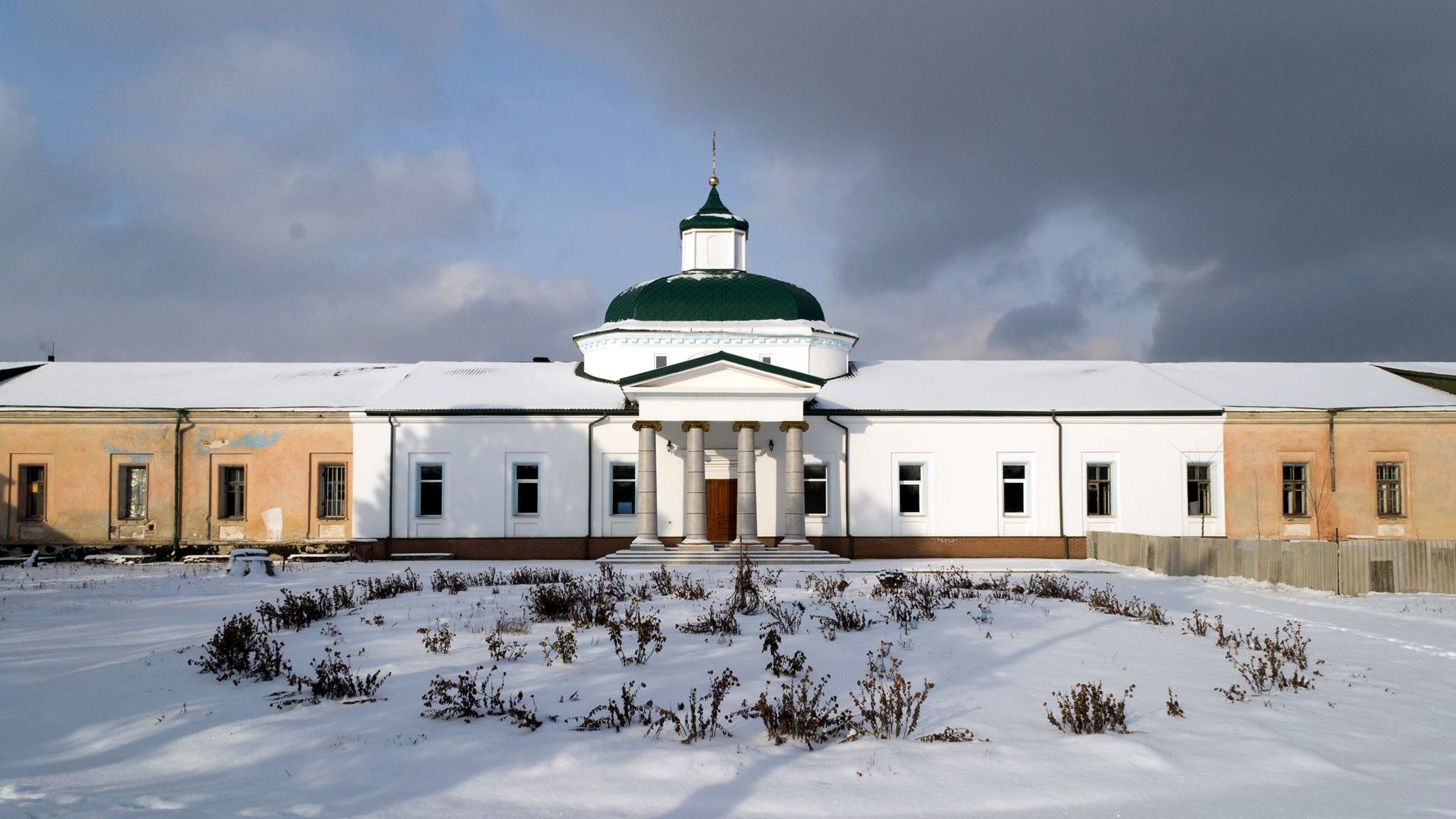
In the seventeenth century the community was plundered and destroyed more than once1. In 1711, after the Treaty of the Pruth, the monastery fell to the Turks, was plundered and reduced to desolation1. From 1720 the Zaporozhian Cossacks once more raised up the grandeur of their holy place: they built the Trinity church, repaired the churches and the underground passages, and introduced the Athonite rule; the brotherhood grew, and schools and a hospital were opened1. In the middle of the eighteenth century the monastery became the centre of the whole northern edge of the Zaporozhian lands1 and a reliable outpost of the Zaporozhians in the Russo-Turkish wars of 1735-1739 and 1768-17742. The entire monastic complex, which included five churches and a ninety-six-metre bell tower, resembled Optina Hermitage, and five hierarchs of Katerynoslav were laid to rest in the crypt of the main monastery cathedral2.
After the liquidation of the Zaporozhian Sich in 1775 the monastery continued its life for several more years1. In 1780 it was attached to the Kyiv-Mezhyhirya monastery1, and in 1794 its peasants were taken away and its landholdings were cut1. In the thirties of the twentieth century the monastery was closed1.
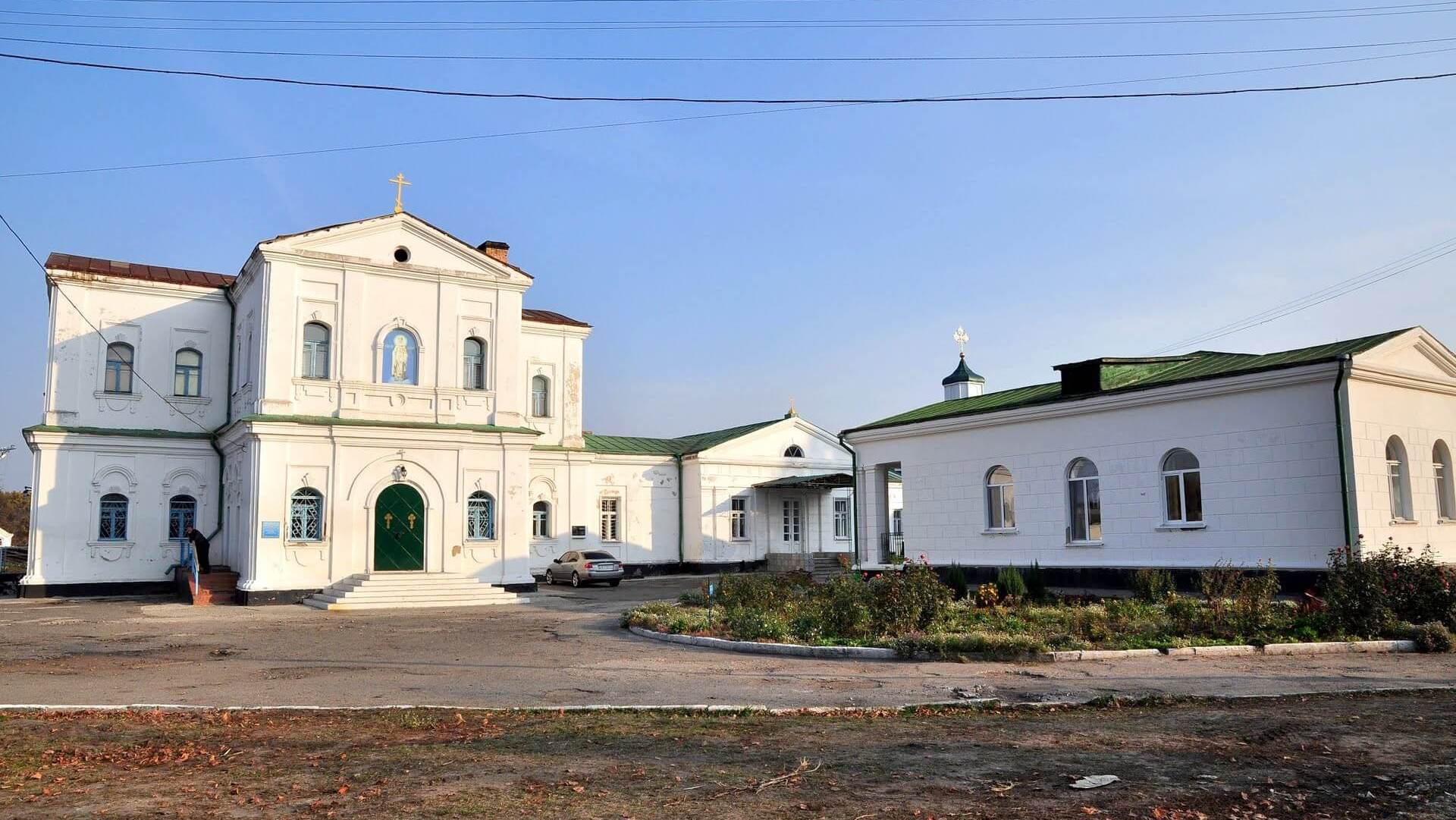
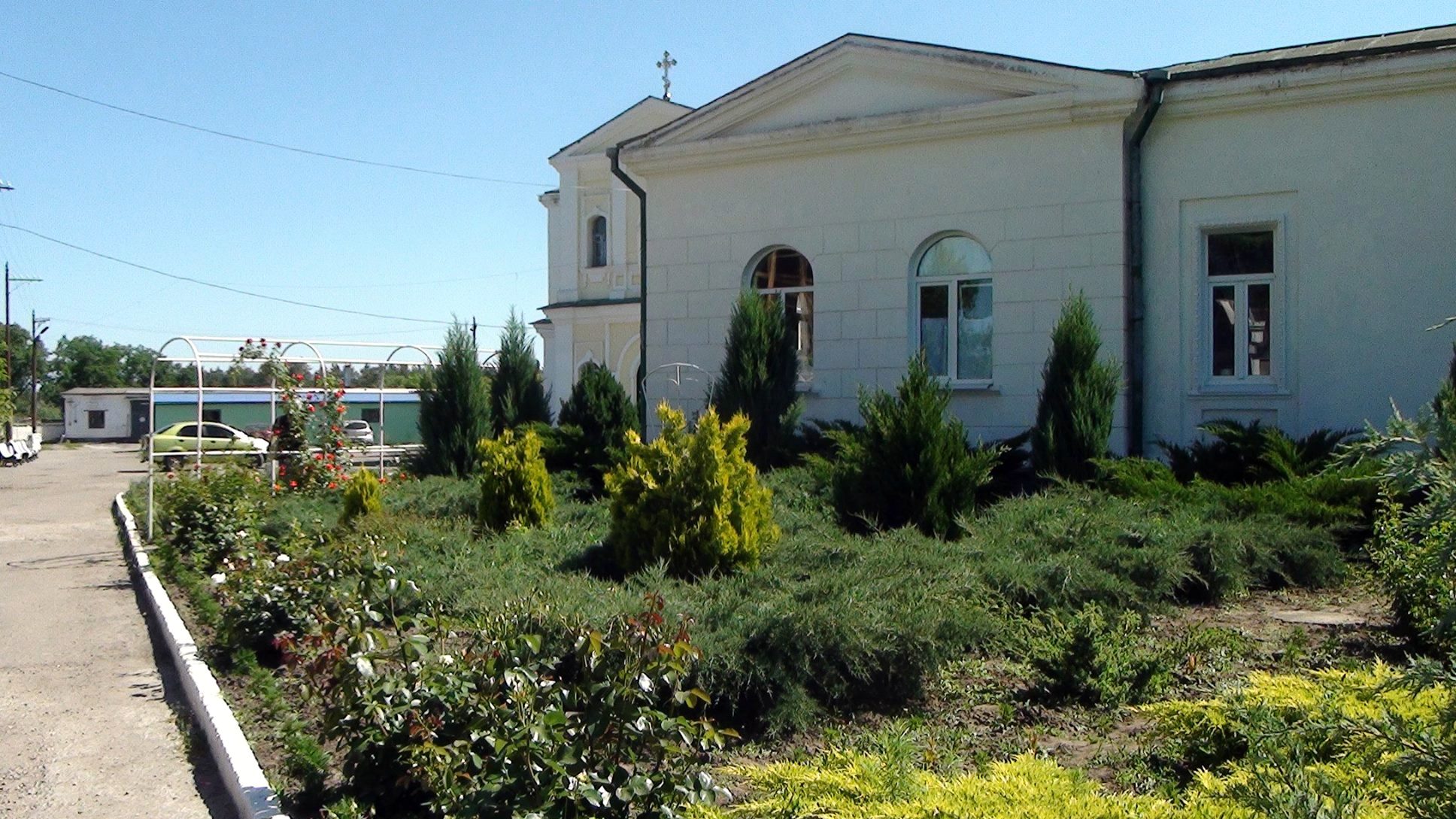
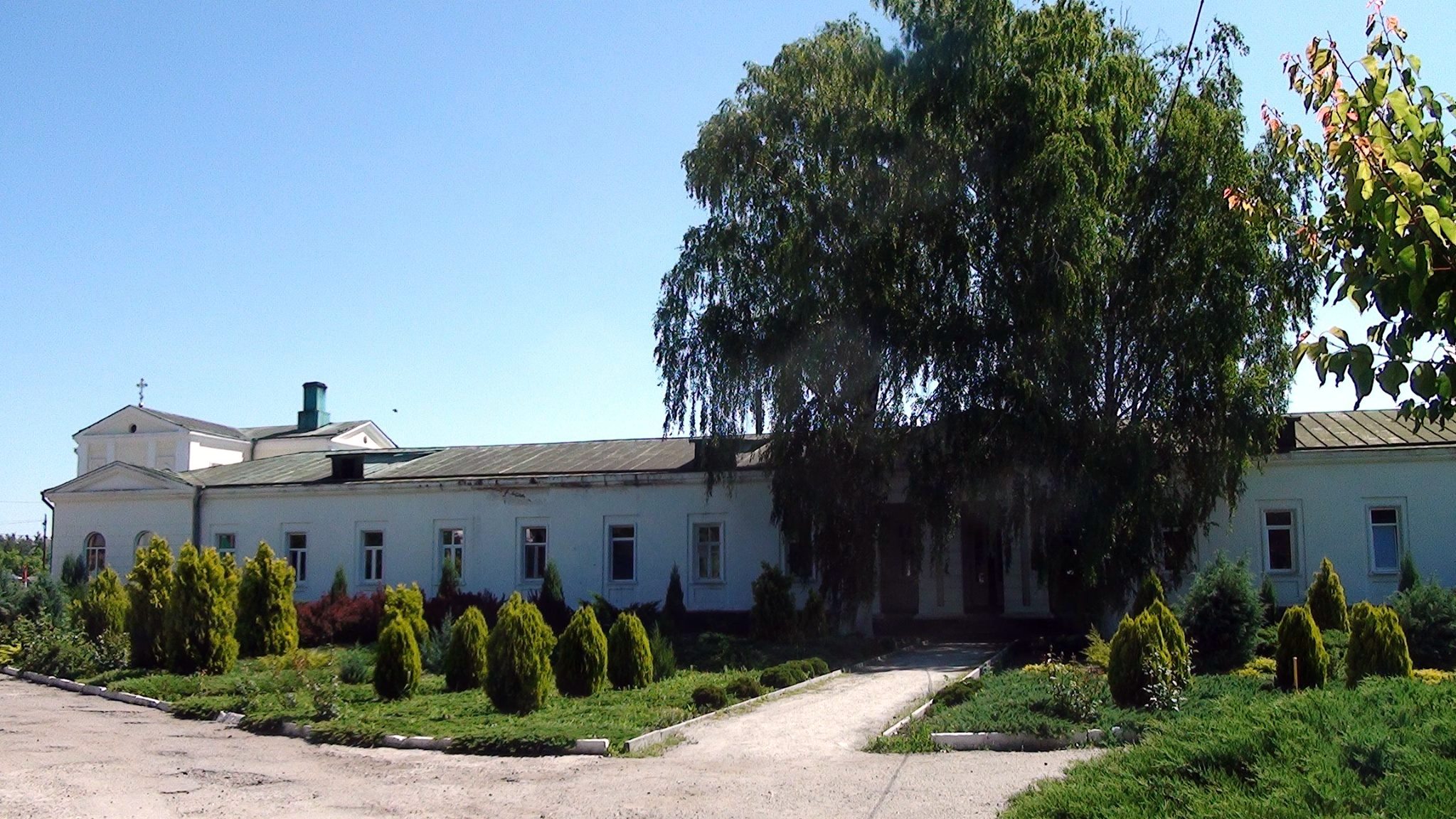
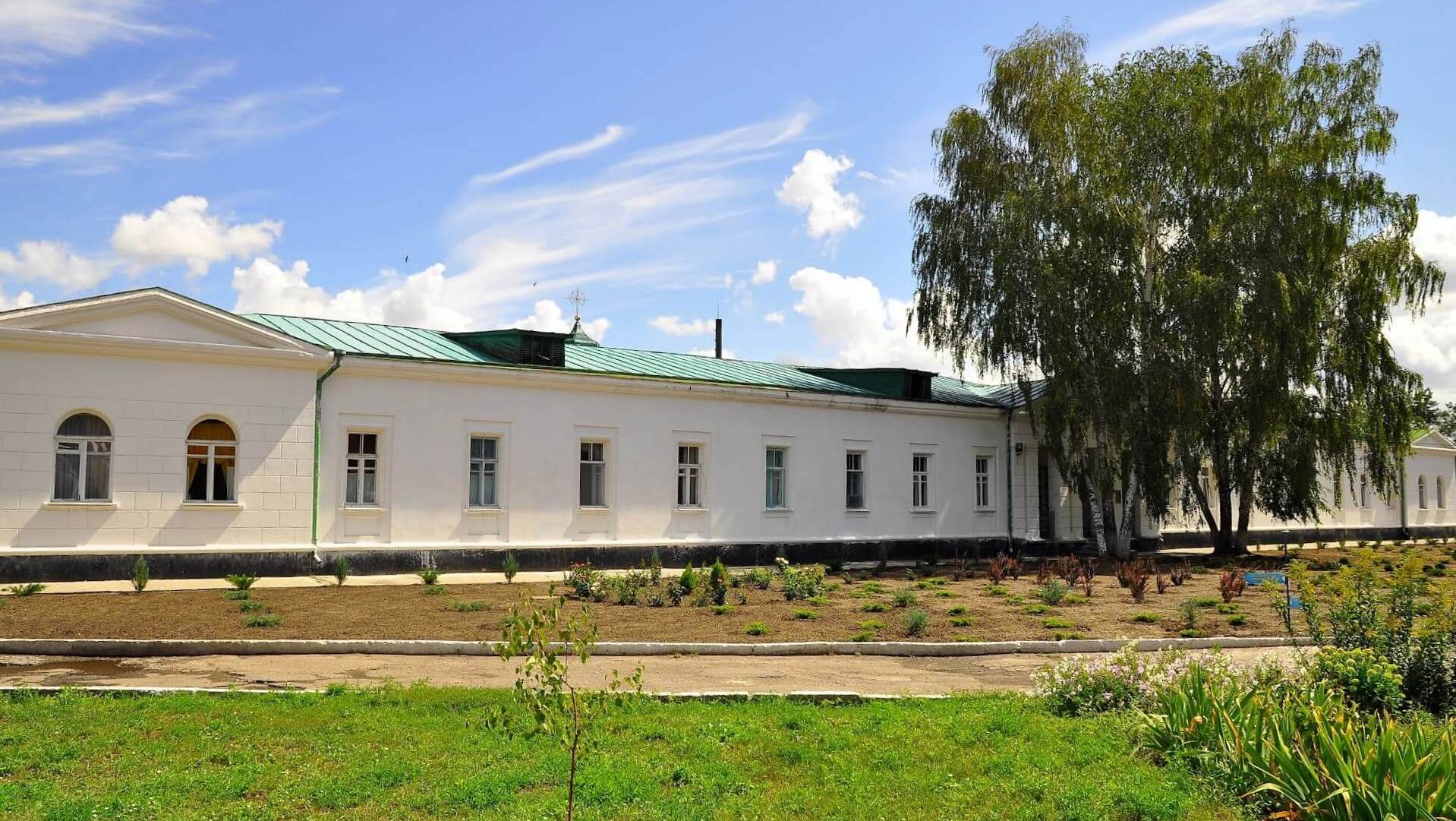
At the end of the twentieth century the community rose again from the ashes2. As of 2009 twenty brethren lived there, restoration work was under way everywhere, and four churches were in use: the central church of St Nicholas, the refectory church of Ss Anthony and Theodosius of the Caves, the church of the Transfiguration, and the underground church of the holy martyrs Kyrykos and Julitta2. The chief holy object of the community was and remains the Samara icon of the Mother of God2. The services in the monastery are celebrated in Church Slavonic3. On 21 August 2025 Metropolitan Ireney of Dnipropetrovsk and Pavlohrad performed here the rite of consecration of a chapel in honour of the Pochaiv icon of the Mother of God4.
Show sources
- 1. Колодний А. М. «Самарський Миколаївський монастир» (academic publication). Українська Релігієзнавча Енциклопедія (accessed: 2026-08-22)
- 2. «Самарский Пустынно-Николаевский монастырь: престольный праздник» (eparchy website). Дніпропетровська єпархія (eparhia.dp.ua), архівна копія 2014 року, 2009 (accessed: 2026-08-22)
- 3. «Монастирі Дніпропетровської єпархії» (eparchy website). Дніпропетровська єпархія Української Православної Церкви (accessed: 2026-08-22)
- 4. «Митрополит Дніпропетровський Іриней освятив каплицю у Самарському чоловічому монастирі» (UOC news). Синодальний інформаційно-просвітницький відділ Української Православної Церкви, 2025 (accessed: 2026-08-22)
- Journal No. 52 session of the Holy Synod of UOC on 27.07.1995 year
- Journal No. 19 session of the Holy Synod of UOC on 04.10.1994 year