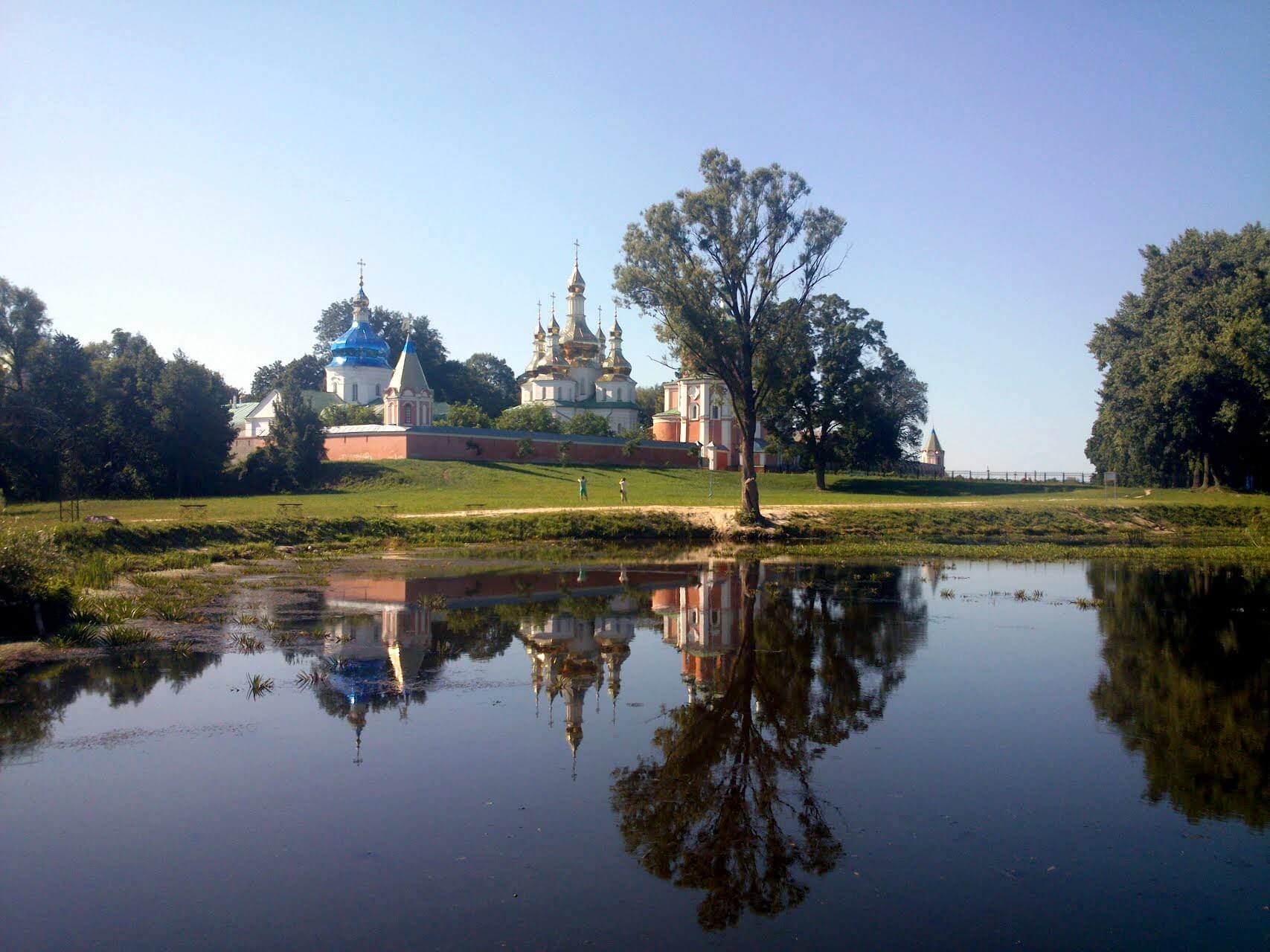
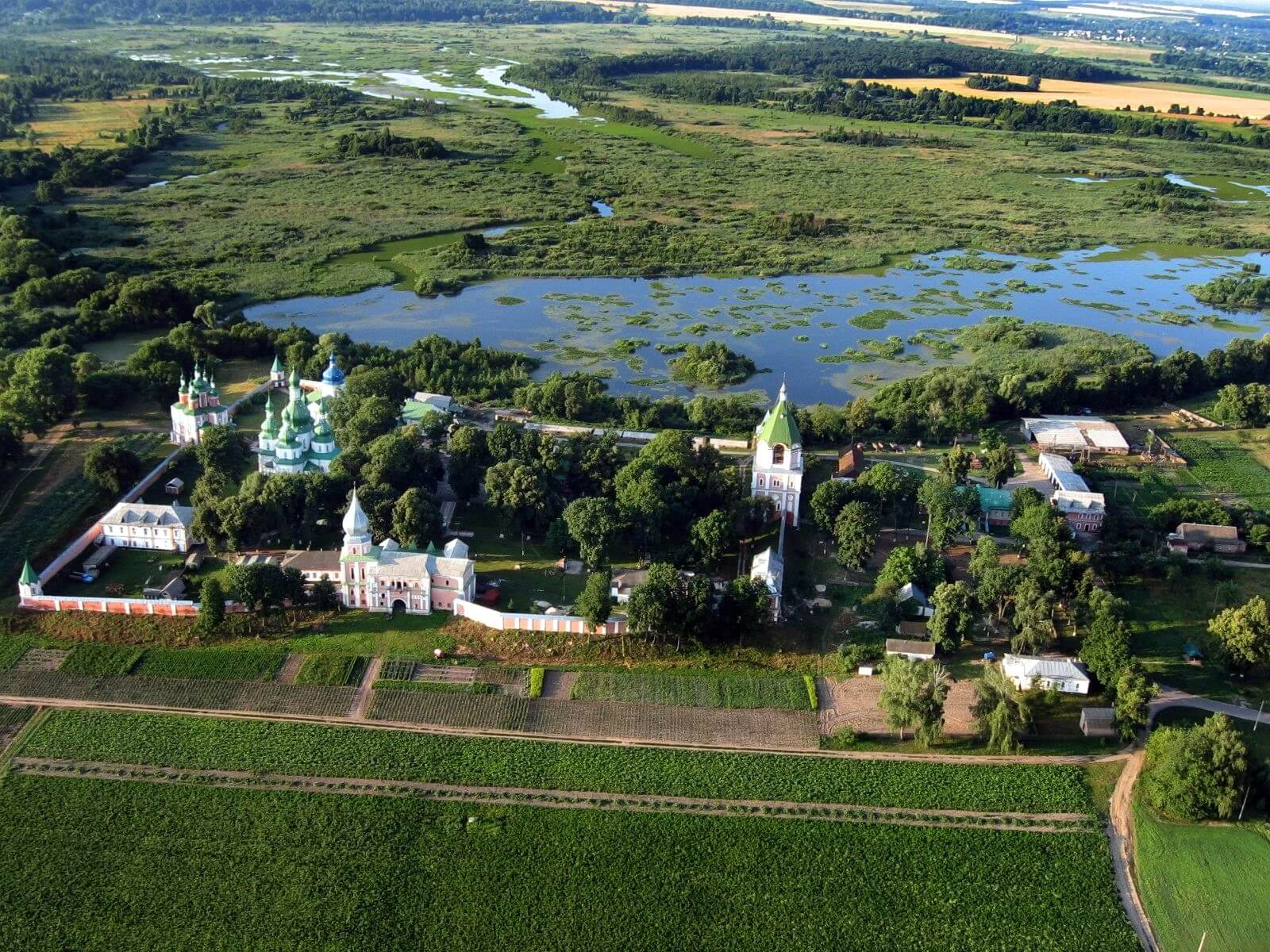
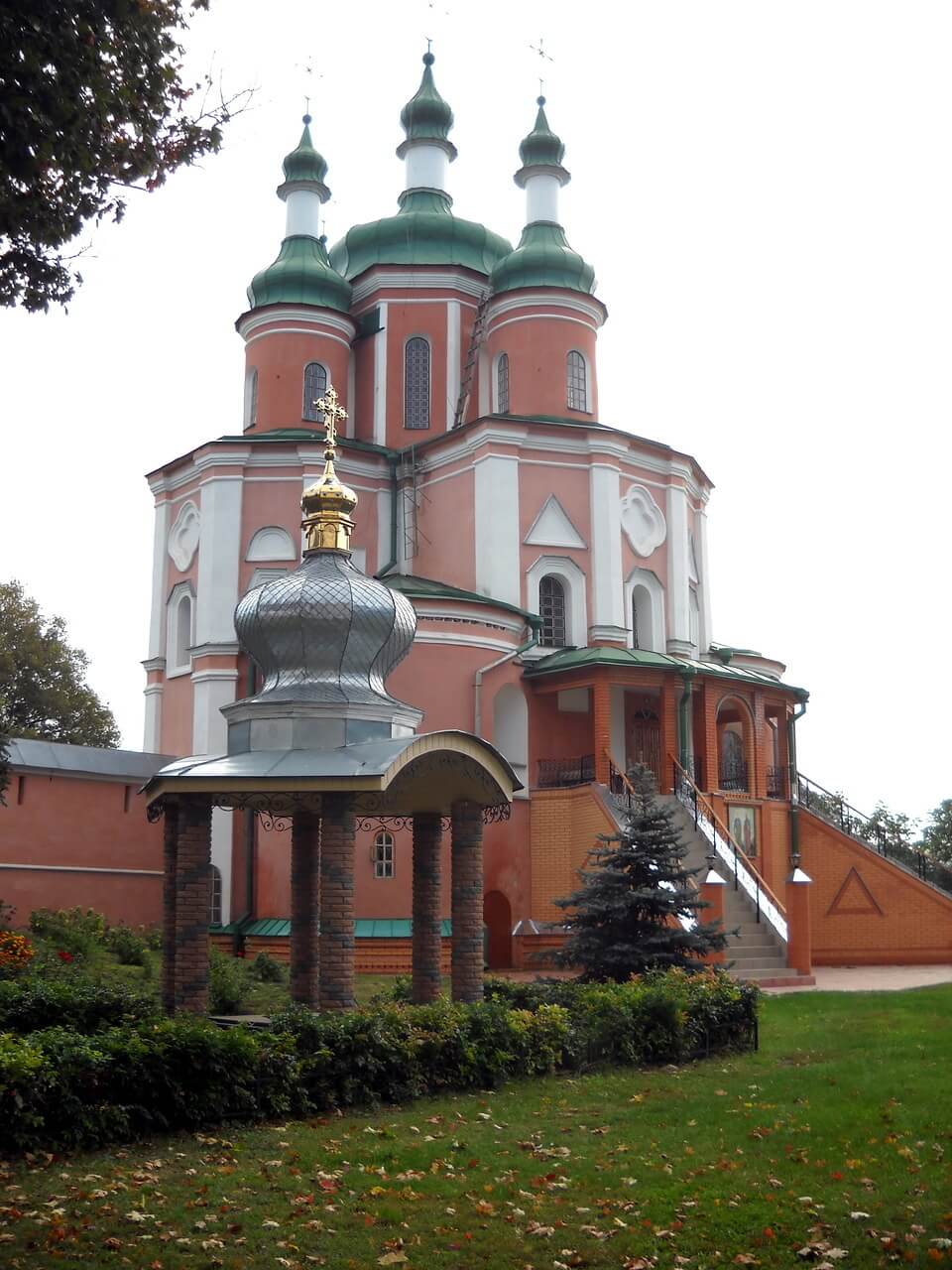
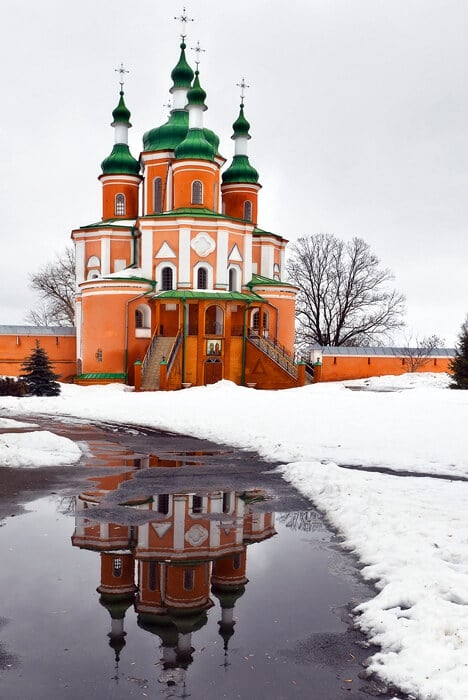
Hustynya Holy Trinity Convent
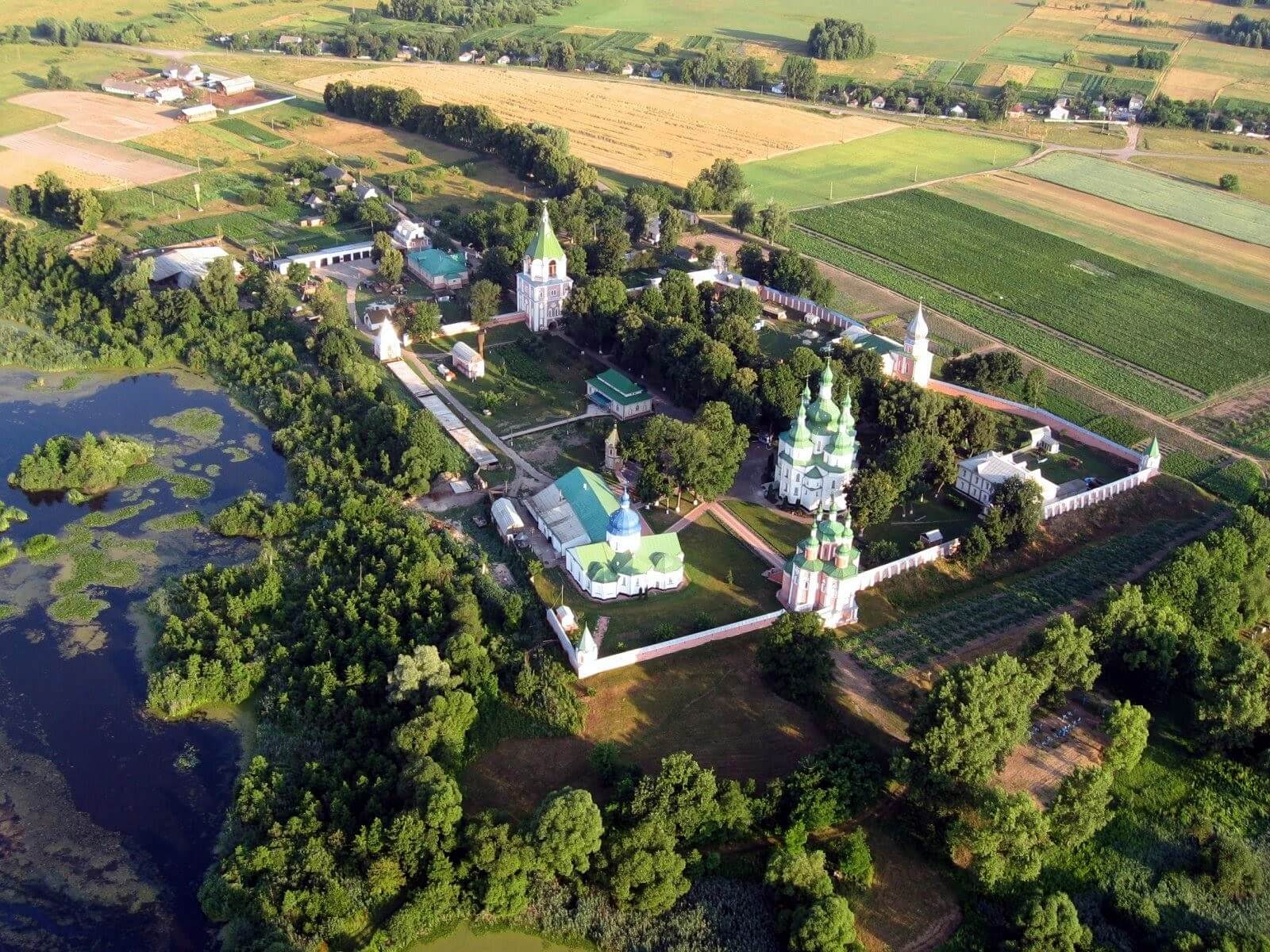
50.636317, 32.472626
- the document of appointment to the post:
Journal No. 26 session of the Holy Synod of UOC on 23.11.2022 year
Chronicle-writing was practised at the Hustynia monastery: "The Chronicler of the founding and creation of the Hustynia monastery" covers the years 1600—1640, and the copy transcribed by the hieromonk Mykhail Lositskyi in 1670 gave the "Hustynia Chronicle" its name1. The community itself arose in 1600 on the lands of Prince Mykhailo Vyshnevetskyi with the support of his wife Raina Mohylianka1 — it was founded by the hieroschemamonk Yoasaf with his disciples, the hieromonk Yevfymii and the monk Hennadii3, 5, at first as a men's monastery1, 2.
A wooden church of the Holy Trinity was built here in 16142, 4. Feeling death near, Yoasaf sent his disciples to Isaia Kopynskyi, the head of the Near Caves of the Kyiv-Pechersk Lavra: he came to Hustynia, put up several buildings including a refectory with a church, and obtained from Prince Vyshnevetskyi and his wife a deed to lands for the community3. In 1616 the Ladynskyi and in 1619 the Mhar sketes went out from Hustynia and later became independent2. In 1620 the community was visited by Theophanes, Patriarch of Jerusalem, escorted on the road by the Zaporozhian Cossack host under Hetman Petro Sahaidachnyi; in Kyiv he took part in the restoration of the Orthodox episcopate3.
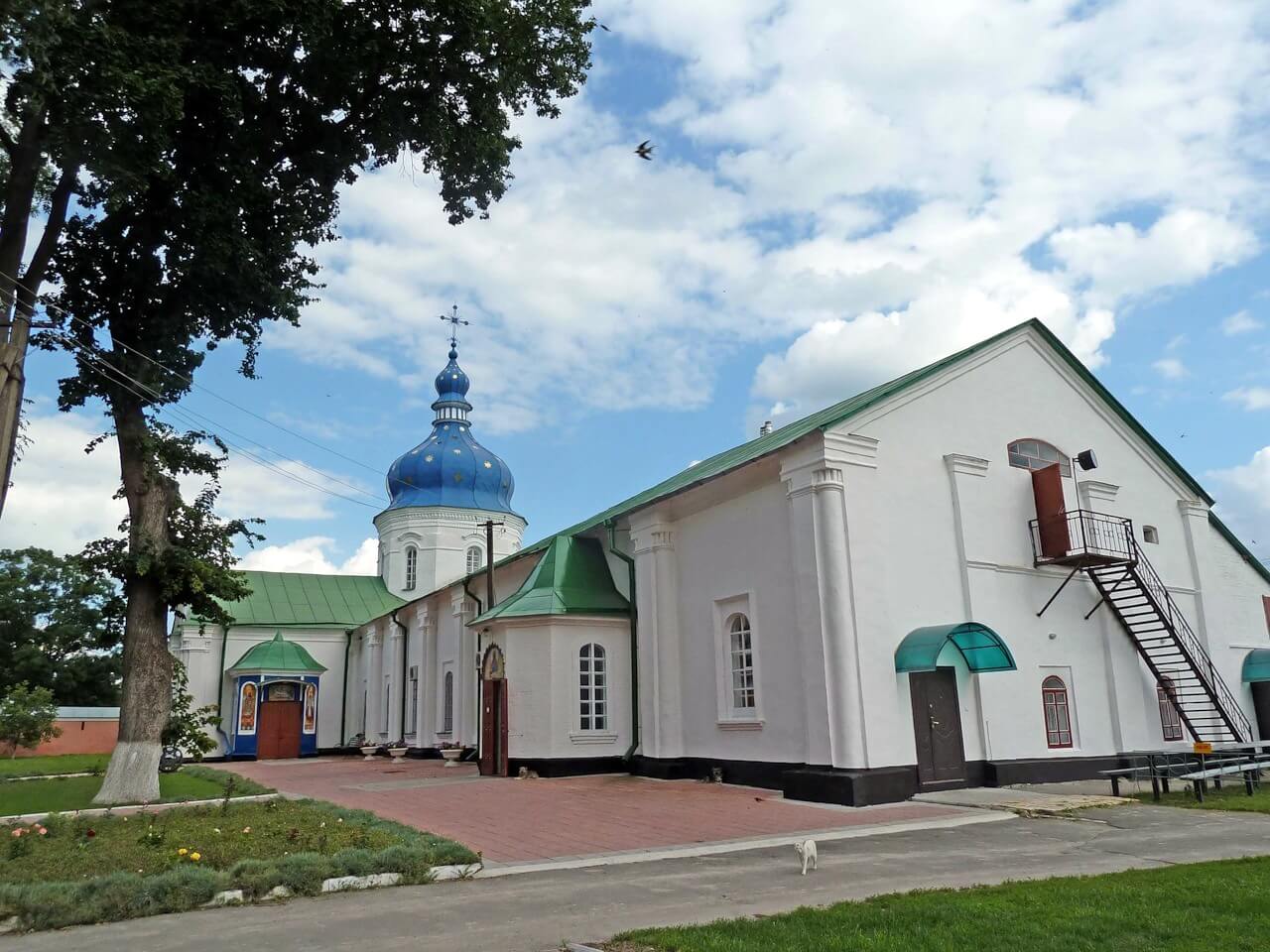
In 1636 the monastery burned to the ground; building on a new, higher site was begun by hegumen Irynarkh, appointed by Metropolitan Petro Mohyla, in 1638 a refectory with a church of the Dormition of the Mother of God was raised, and in 1639 the metropolitan himself came to Hustynia with the new hegumen Illia Torskyi and gave his blessing for the building of the great church3, 4. The Trinity church was laid in 16414. The monastery's chronicle also carries the tradition of three infants killed during the Tatar raid of 1640 and buried by the monks: when their bodies were found incorrupt, the hegumen ordered them laid where the altar was to stand, and the church built above them4; the eparchy retells it the same way — the cathedral "stands on the bodies of three infants"5. In 1654, on the road from Kyiv, the community was visited by the Patriarchs Athanasius Patelarios of Constantinople and Macarius of Antioch with his son, the archdeacon Paul of Aleppo; Paul described the iconostasis of the Trinity church thus: "no man is able to describe this iconostasis, its scale, its height, the great quantity of gilding, its look and its brilliance"3, 4.
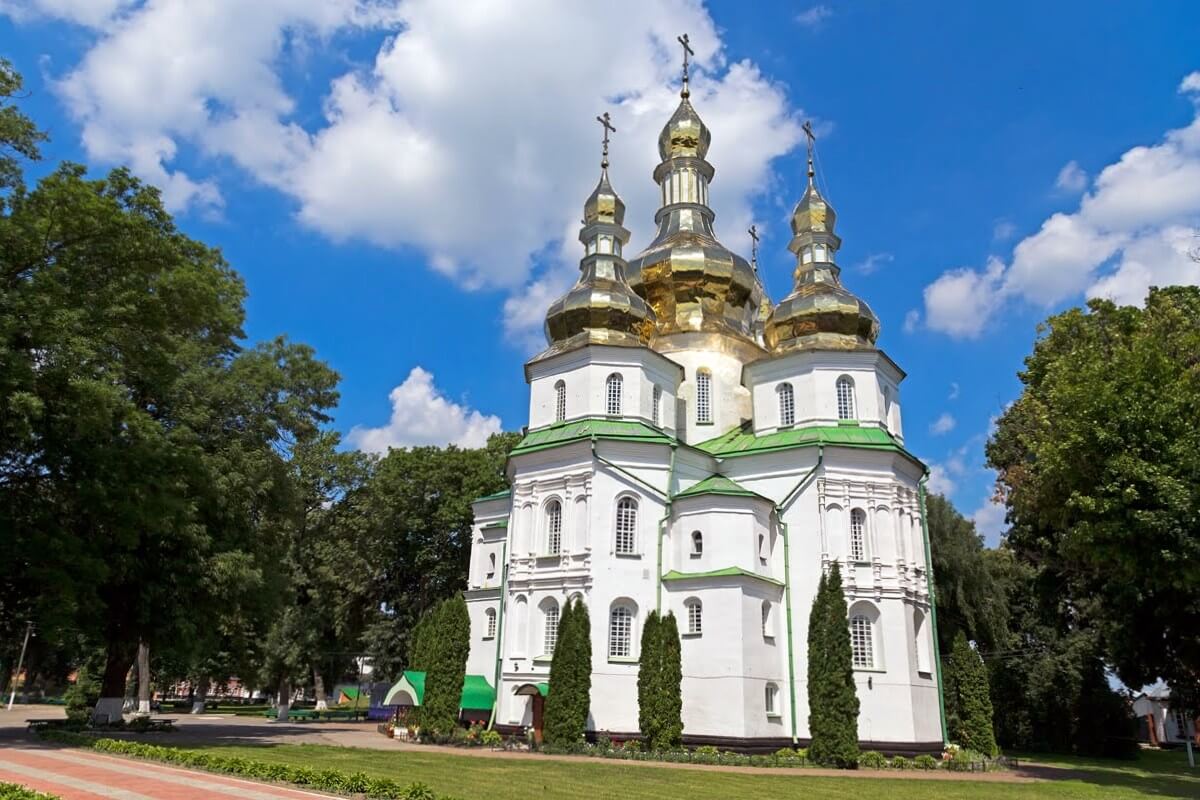
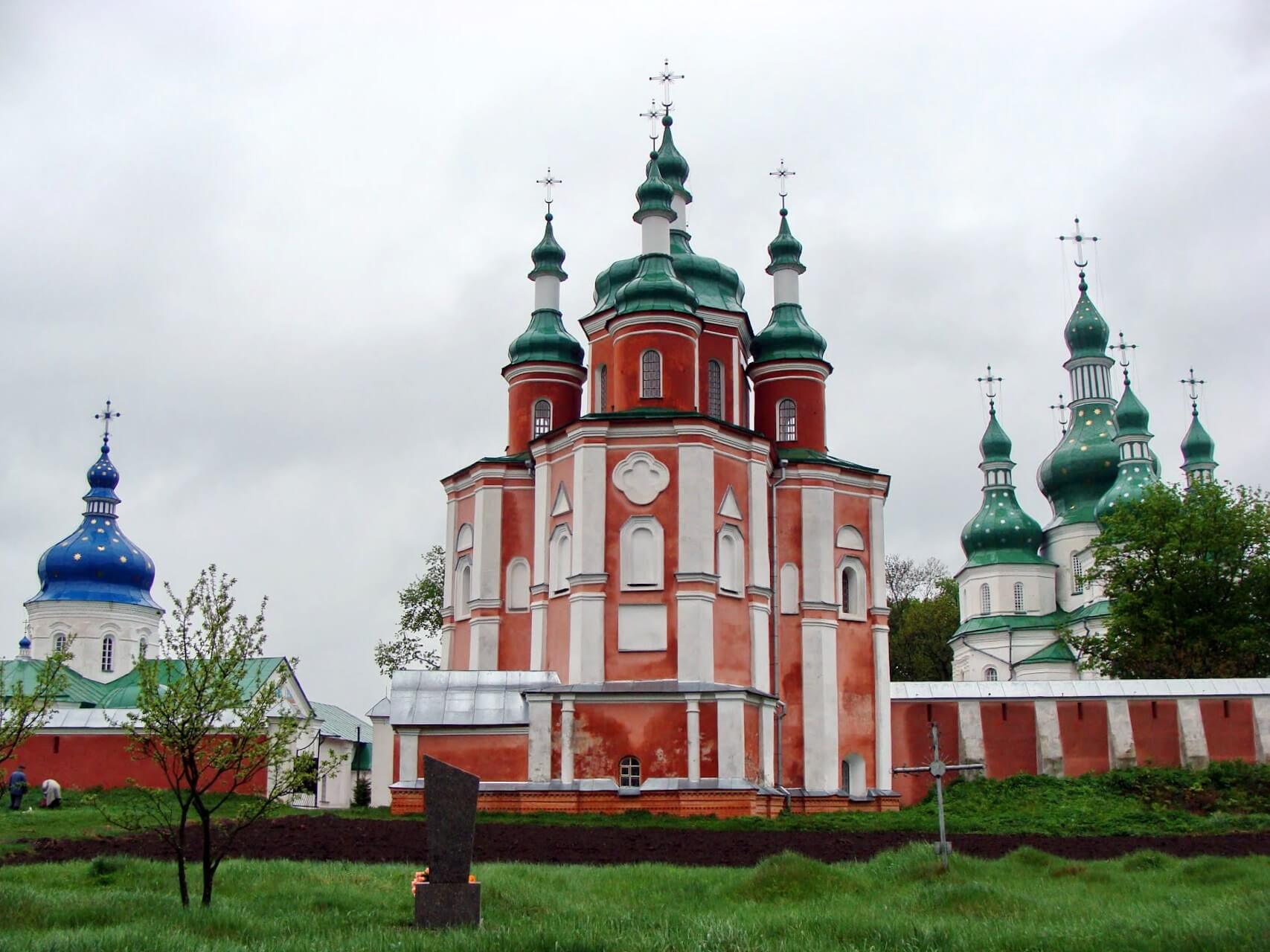
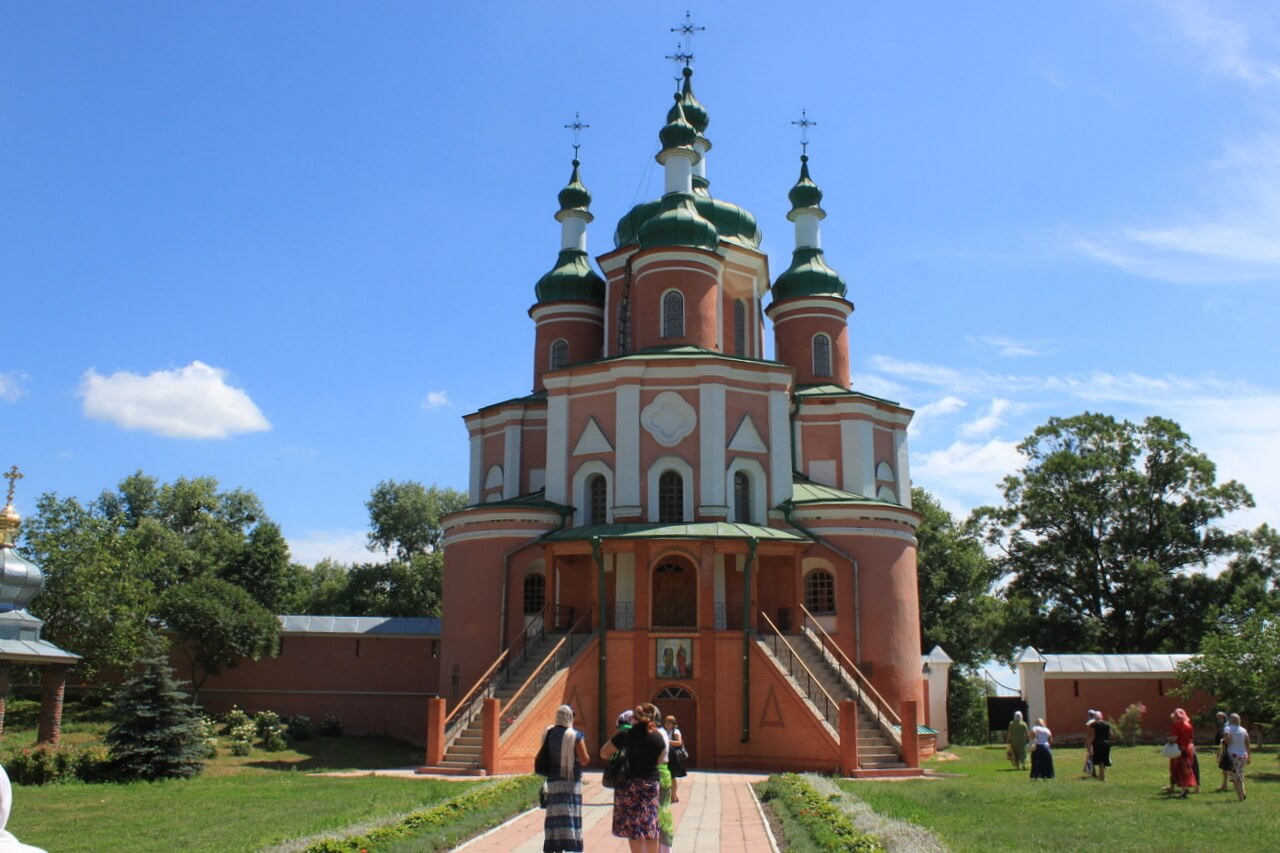
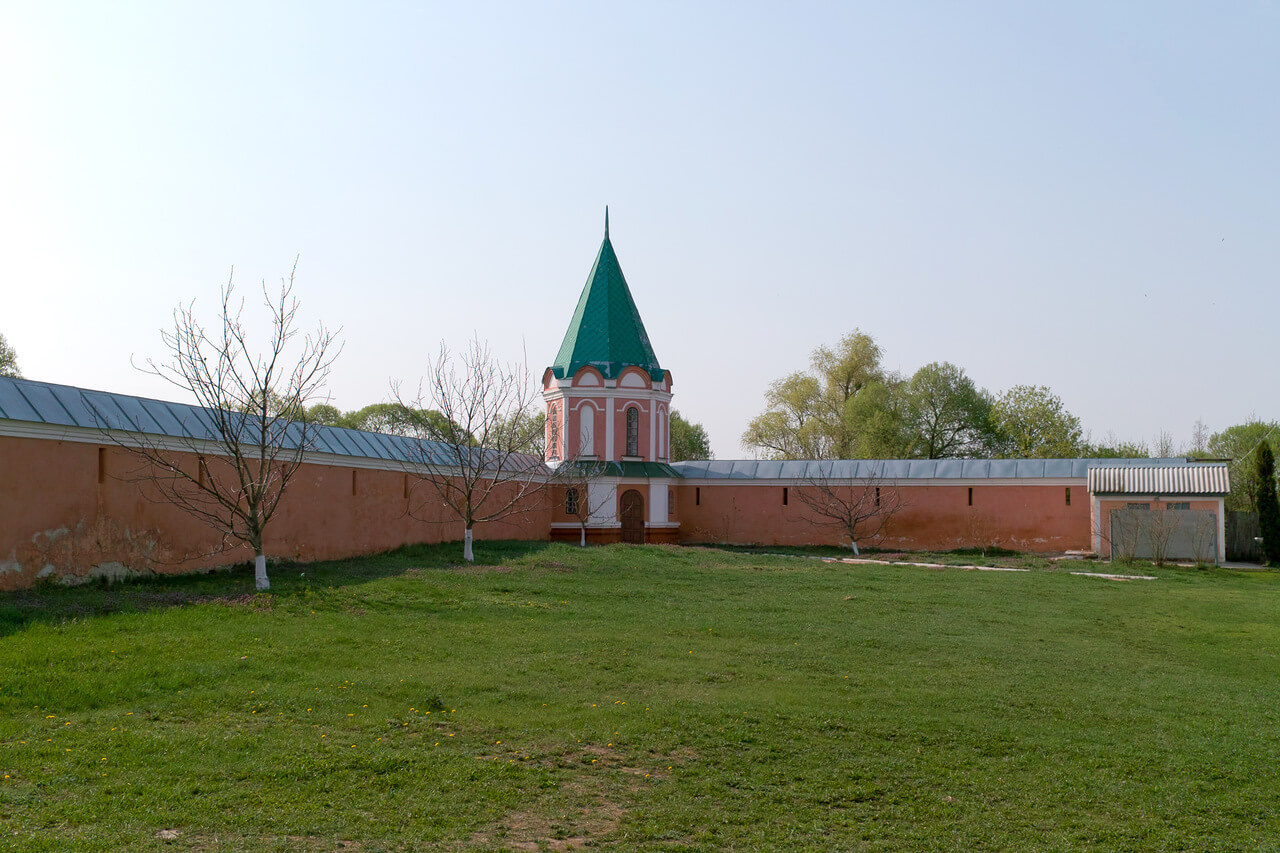
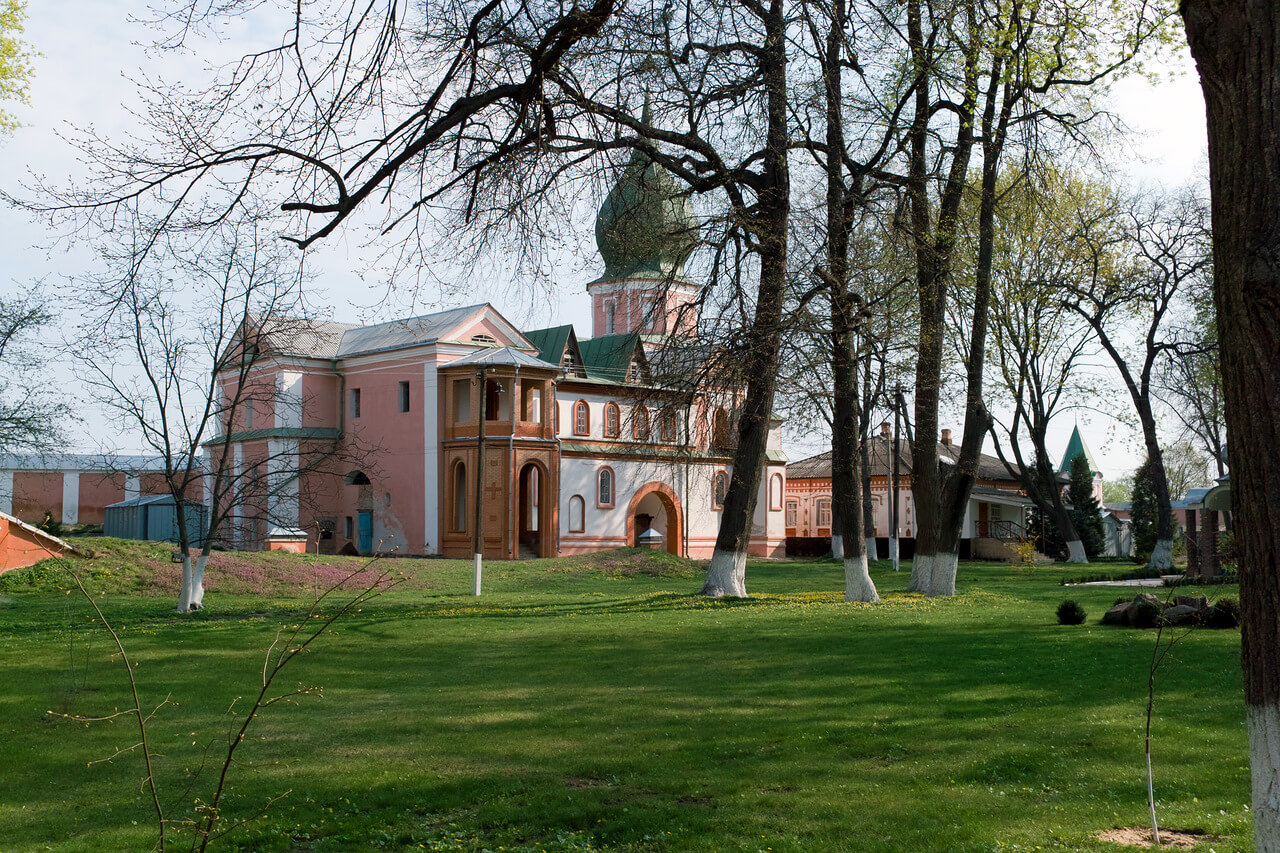
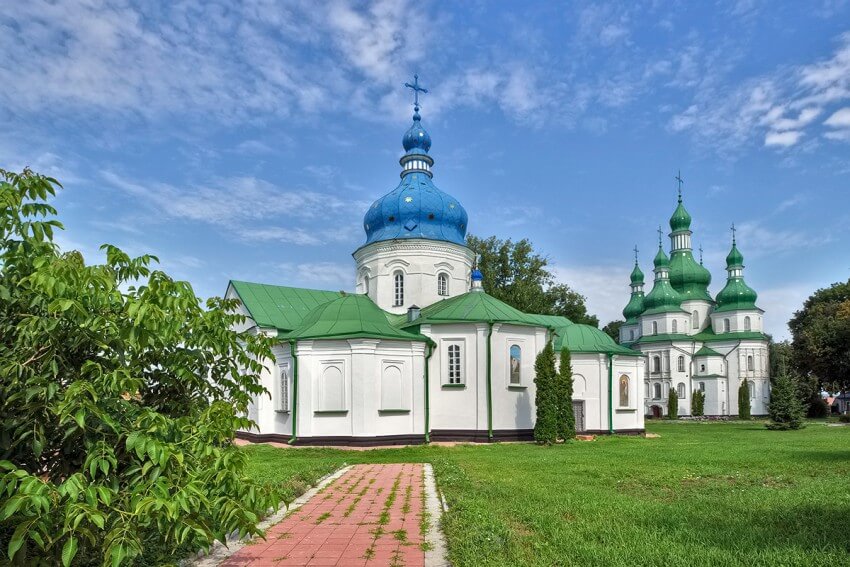
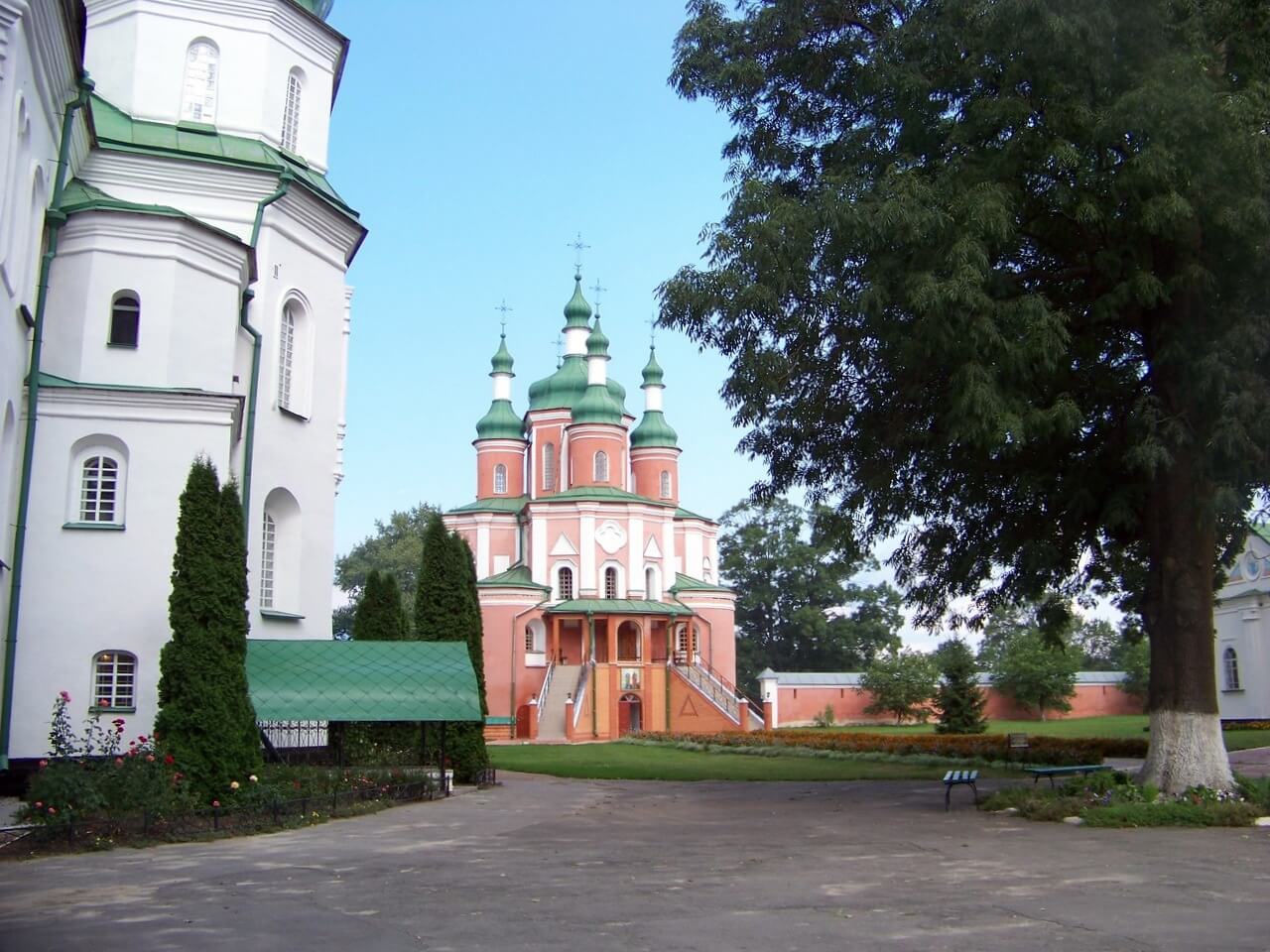
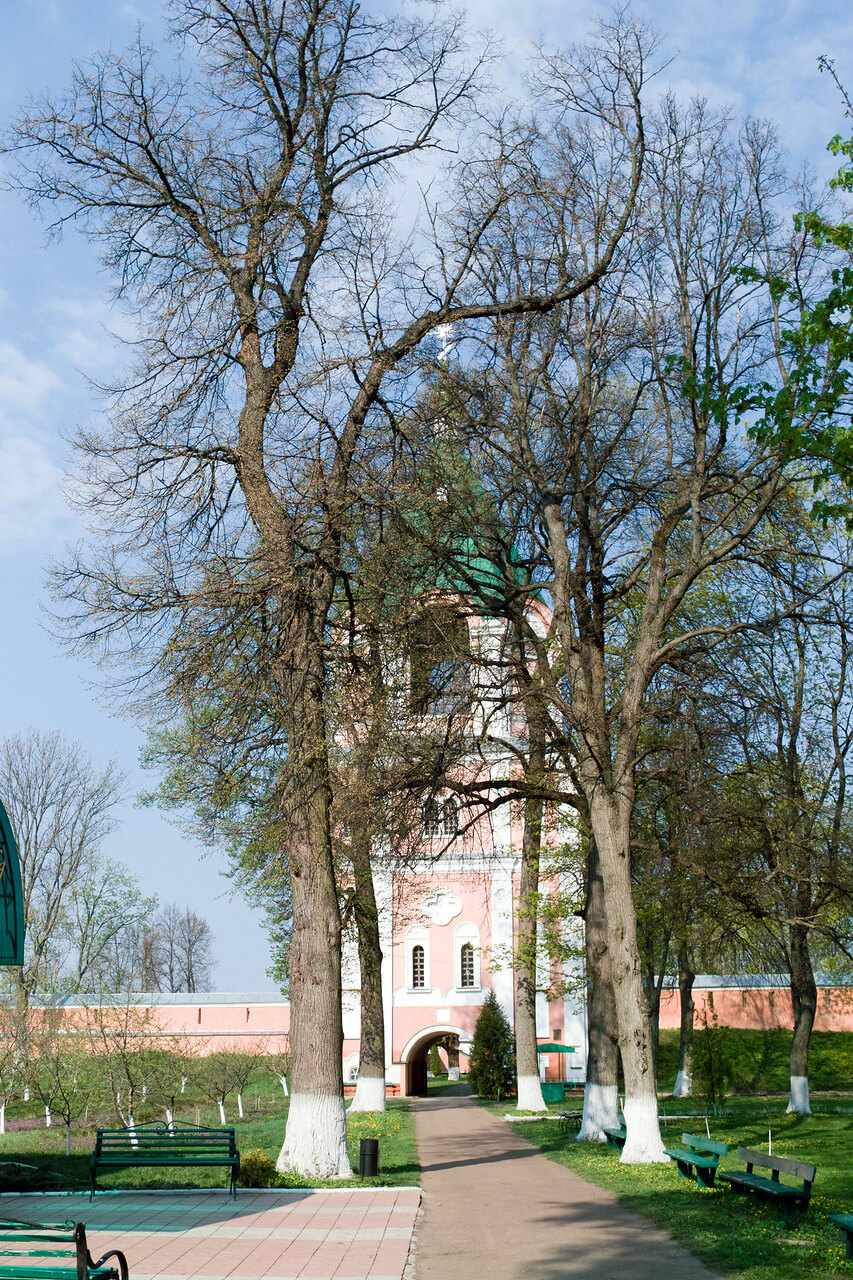
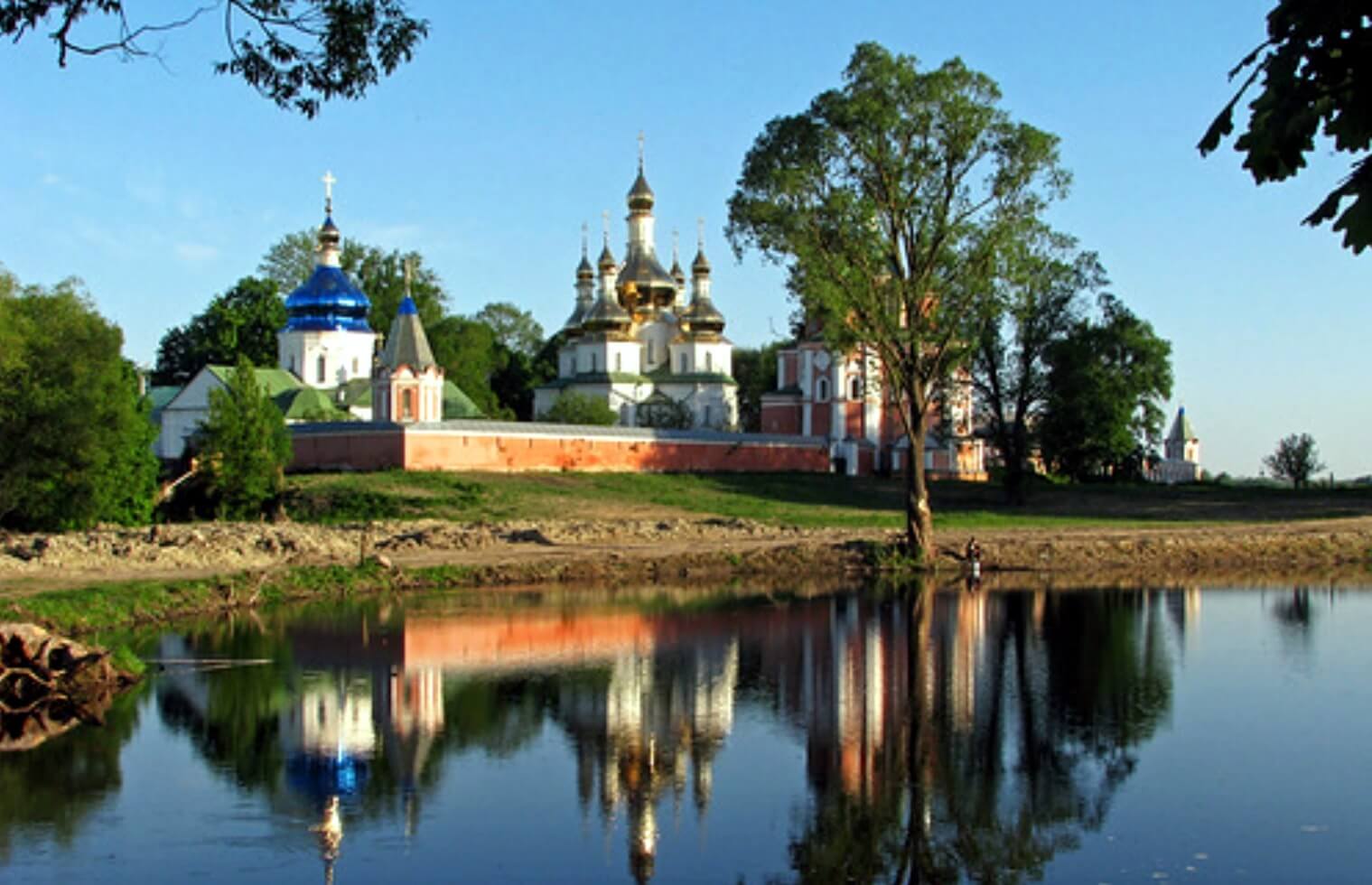
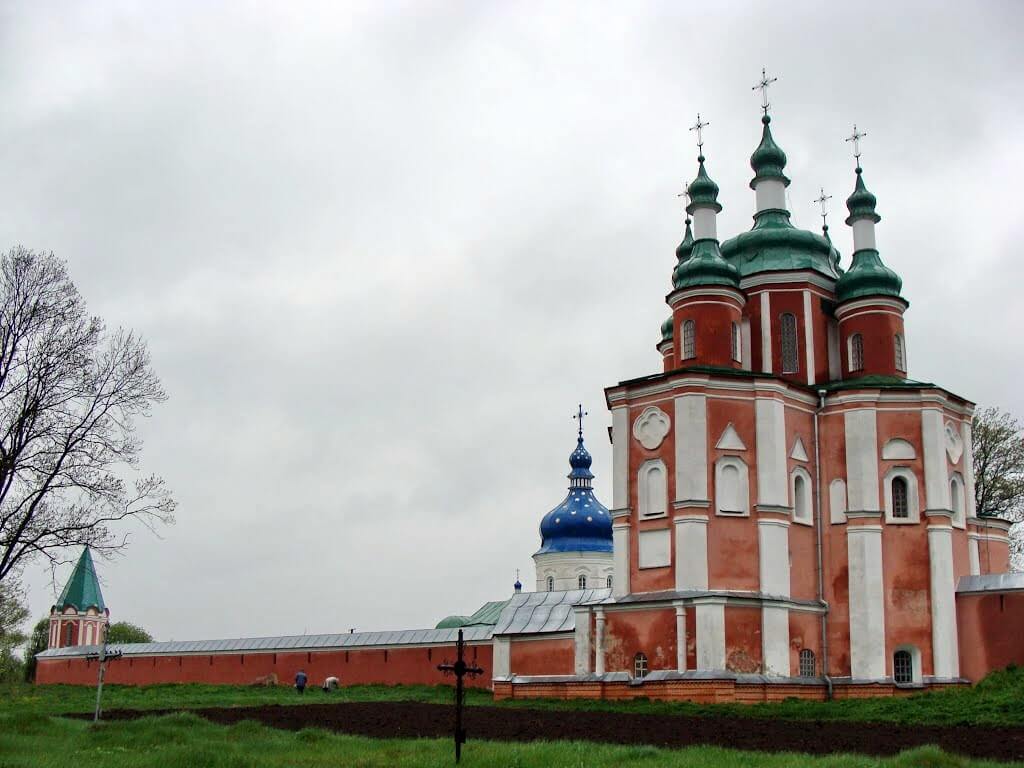
After the fire of 28 November 1671 building here turned to stone: the masonry five-domed Trinity cathedral arose in the 1670s at the expense of Hetman Ivan Samoilovych1, 2, and was consecrated by Archbishop Lazar Baranovych of Chernihiv4. The laying took place on 8 June 1674, and on that day a parchment letter and holy things were placed under the foundation — a fragment of stone from the Bethlehem cave, a stone from the rock of the Forty Days, earth from beneath the Jordan stone4. In 1675 the future Saint Dymytrii of Rostov was ordained at Hustynia3, 5. On 15 September 1697 the body of the Pryluky colonel Lazar Horlenko, killed in 1687 during the Crimean campaign, was laid in the crypt of the Trinity church; he was reburied by his son, the Pryluky colonel Dmytro Horlenko, at whose expense the monastery walls and the churches of Saint Nicholas and of the Apostles Peter and Paul were raised3, 4. Lazar's grandson Yoakym — the future Saint Ioasaf of Bilhorod — visited the community3. In 1724 the Pryluky regimental judge Ivan Markovych was buried beneath the Trinity church4.
After the secularisation of 1793 the monastery was closed: its property passed to a state department, while the library, the archive and the church plate were carried off to Chernihiv; the Trinity church became a parish church, and for more than forty years desolation reigned in the community2, 4, 5. The monastery was restored on 15 May 18444, 5. The first superior after the restoration was archimandrite Varsonofii: under him the roof of the Trinity church was repaired, cornices were brought under all five domes and covered with iron — and under him too the portrait of Mykhailo Vyshnevetskyi was destroyed, the precious icon covers bearing the arms of Samoilovych and Horlenko were melted down, and the Horlenko crypt was filled in and walled up4. In 1859—1877 archimandrite Paisii restored the cathedral church within and without and gilded the iconostasis4. In 1845 Taras Shevchenko stayed at Hustynia and painted three watercolours of its churches1; in the same year the governor-general Prince Mykola Repnin was buried in the crypt, and the Dormition church was renewed at the expense of his widow Varvara and consecrated in honour of the Resurrection of Christ2, 3.
In 1924 the monastery was closed again and a children's colony was placed in its buildings1, 3. In 1927 the historian Mykola Makarenko studied the buildings of Hustynia; his son Orest drowned in the Uday that same year and was buried in the Repnin crypt3. In 1943 monastic life here resumed, in 1959 the community was closed for the second time3, 5, later a psychiatric hospital was housed within its walls, and in the early 1990s the buildings stood in ruins3.
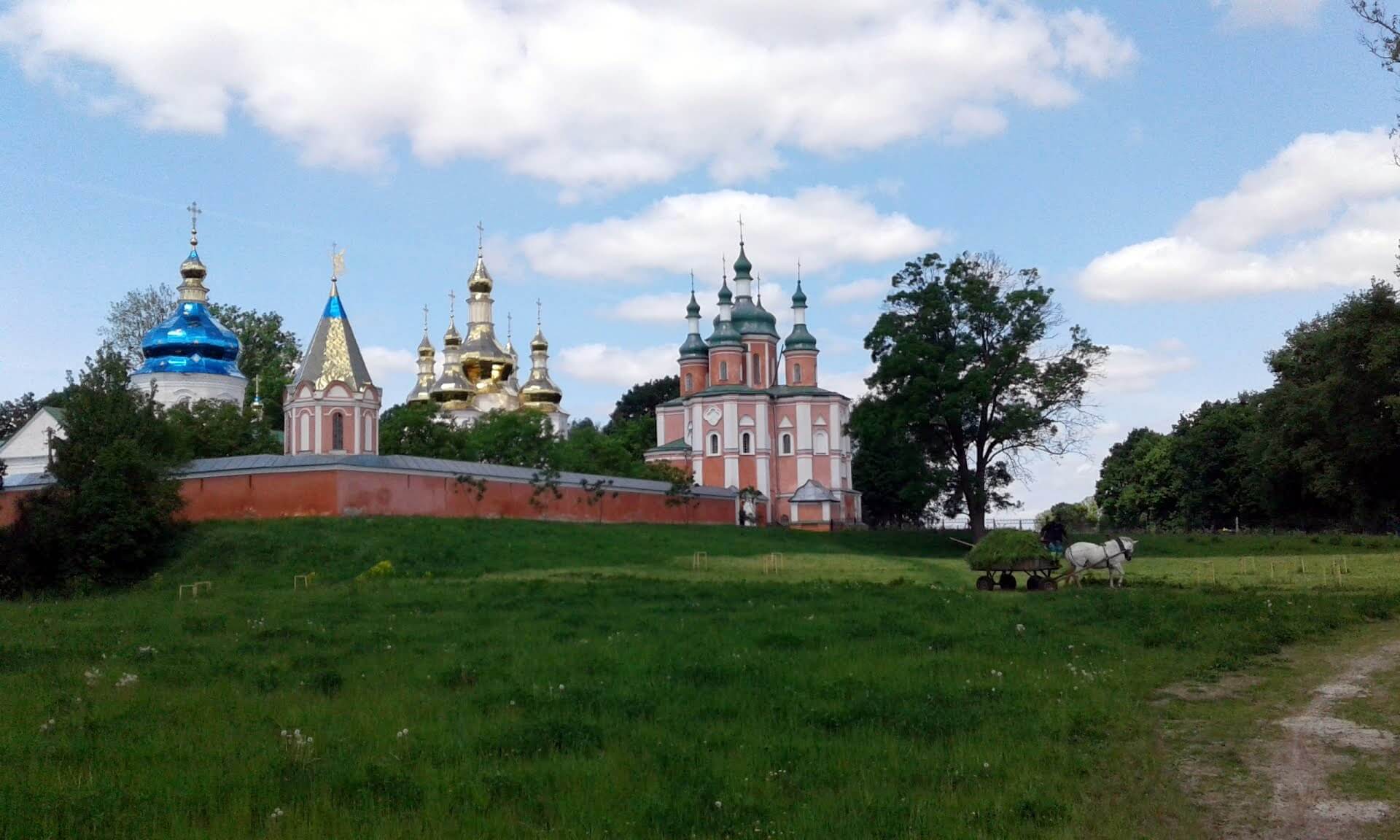
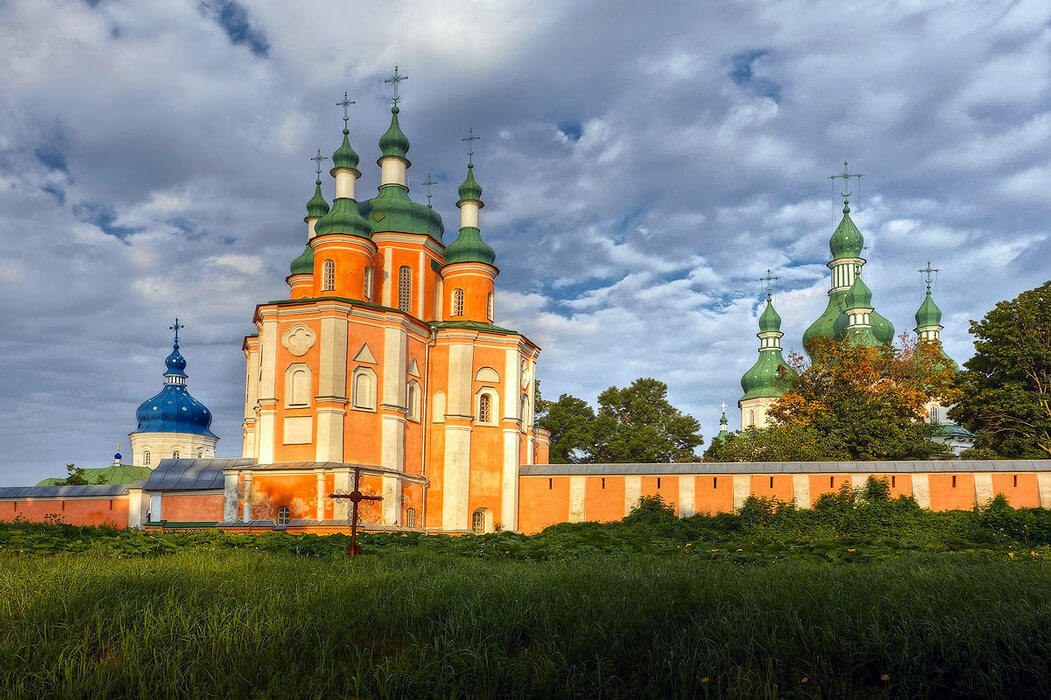
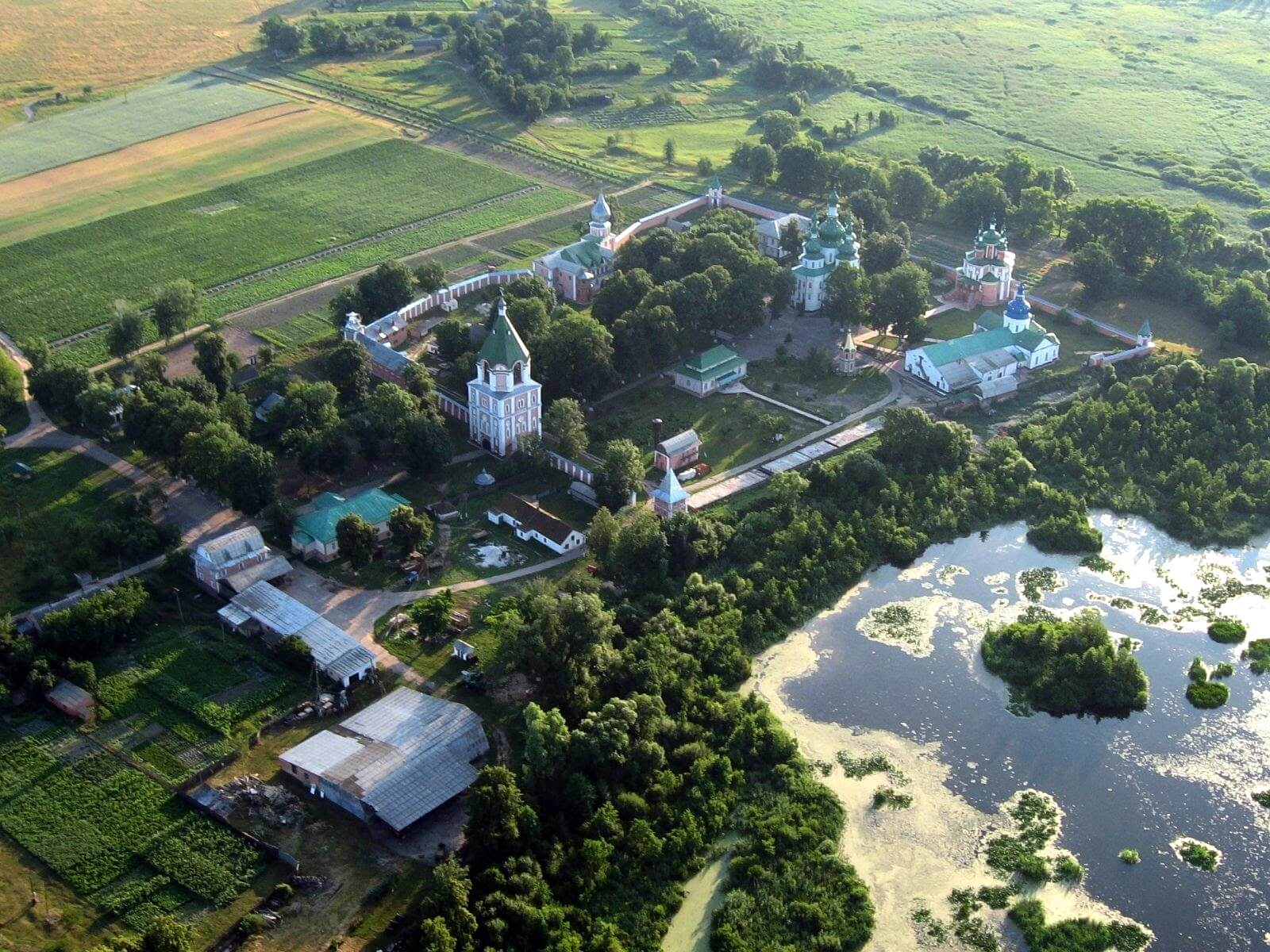
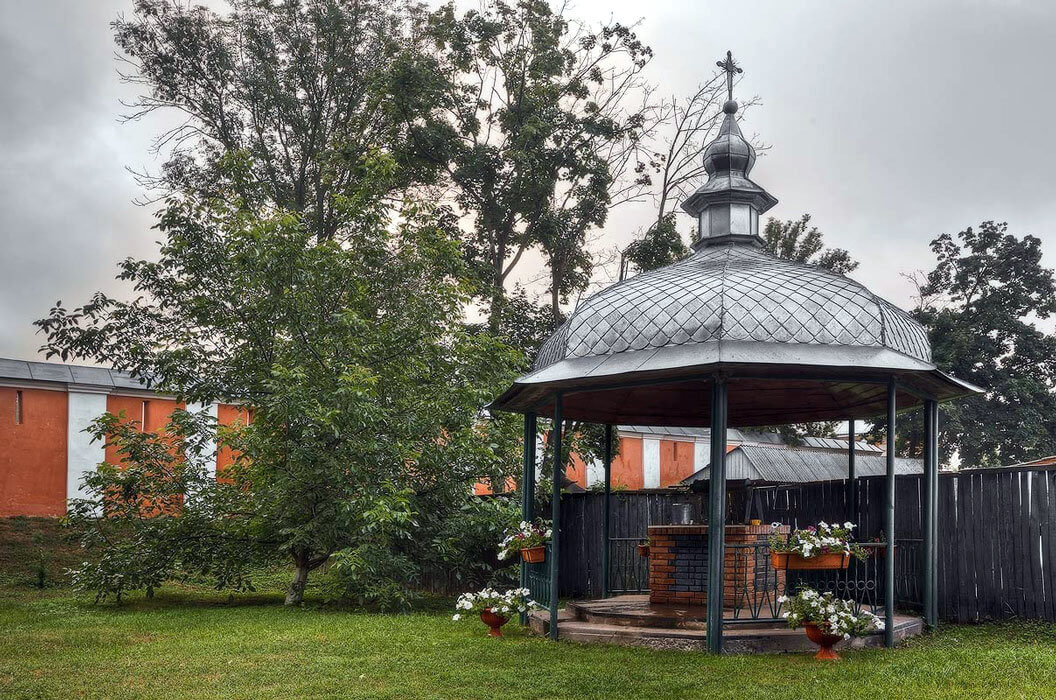
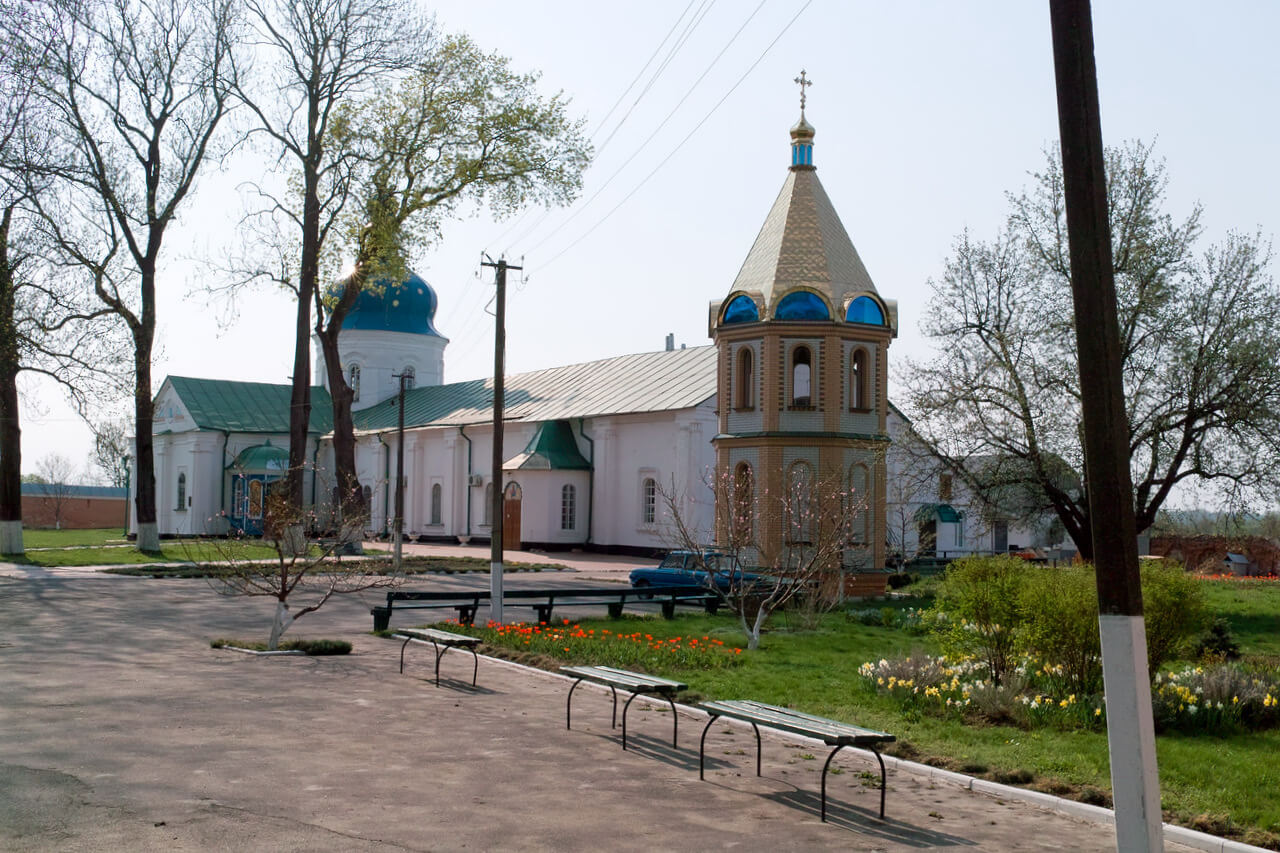
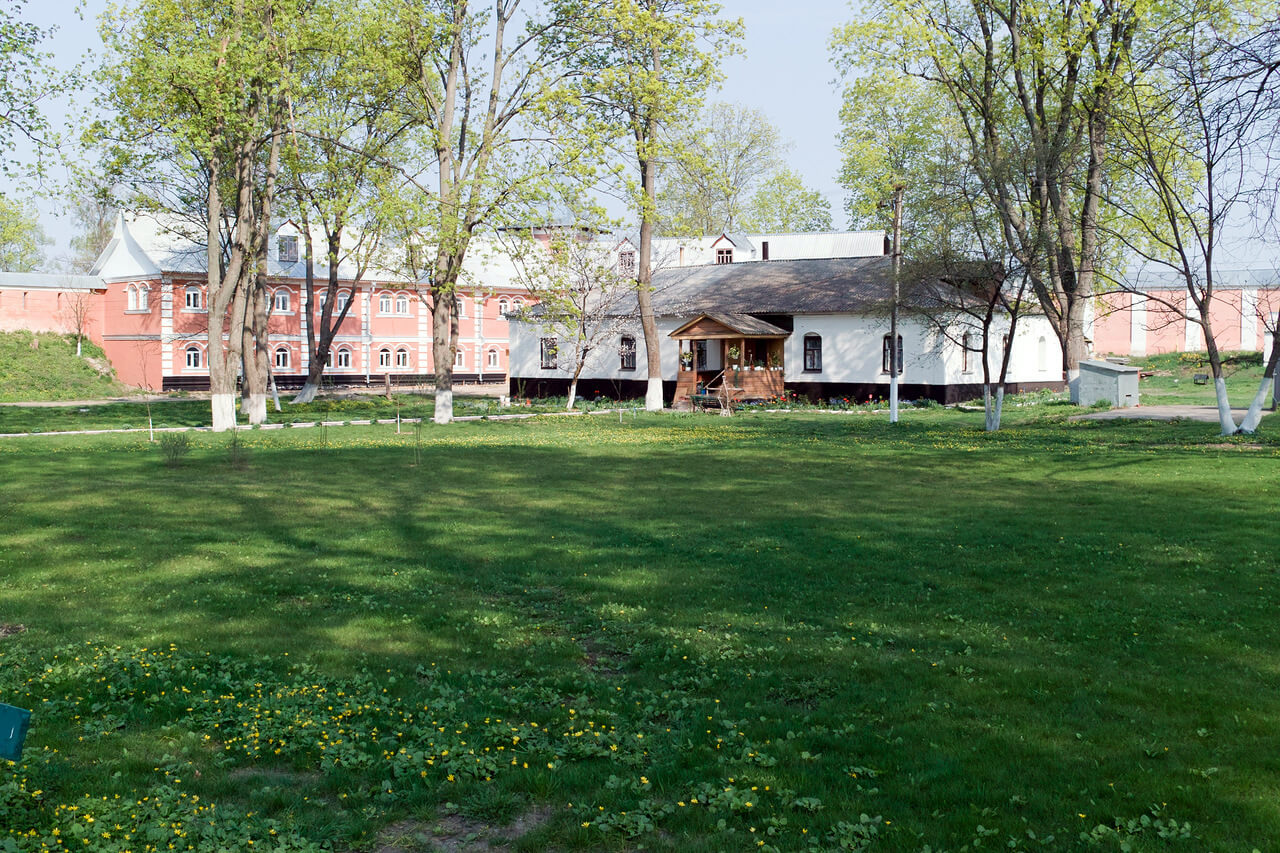
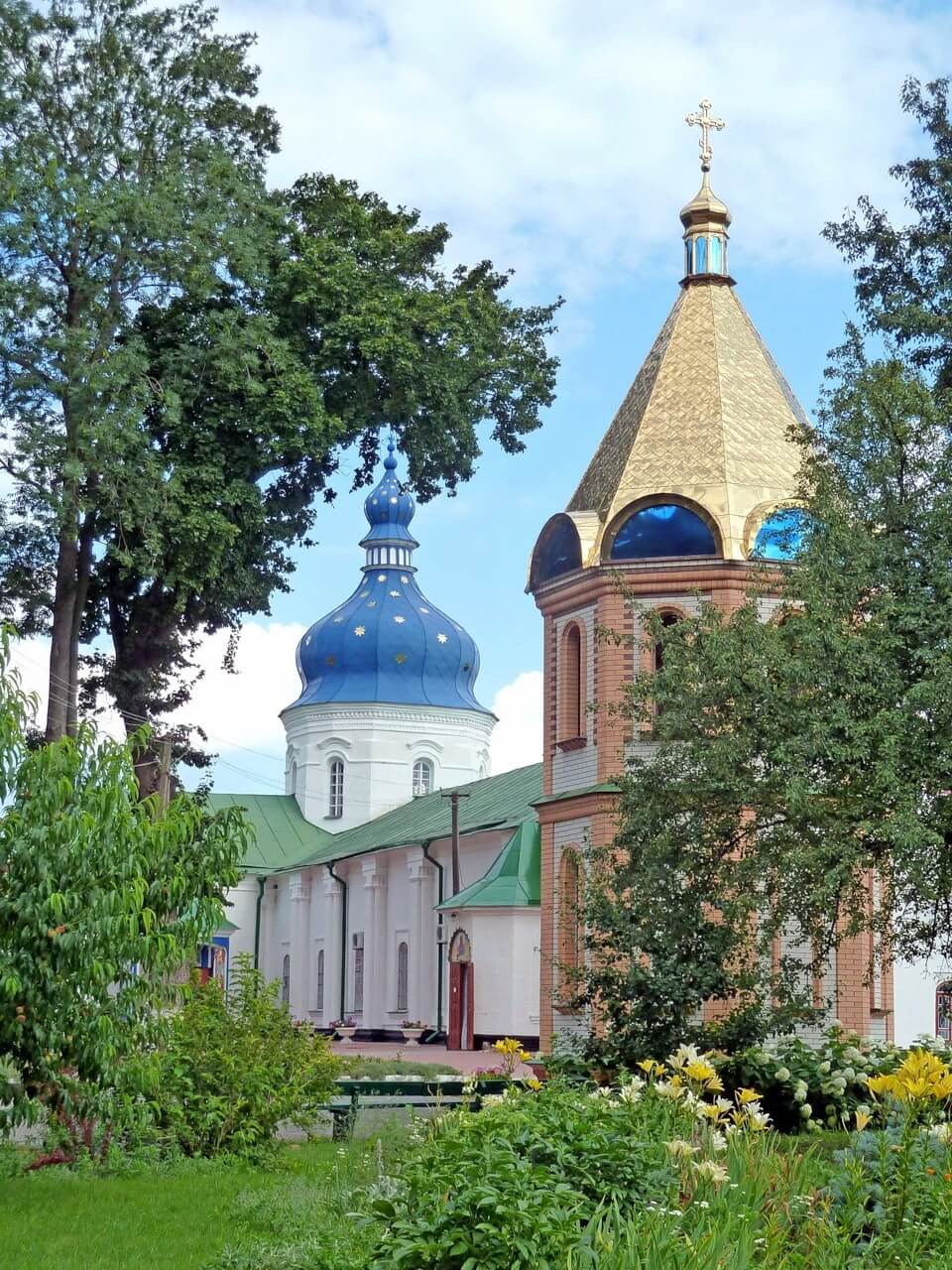
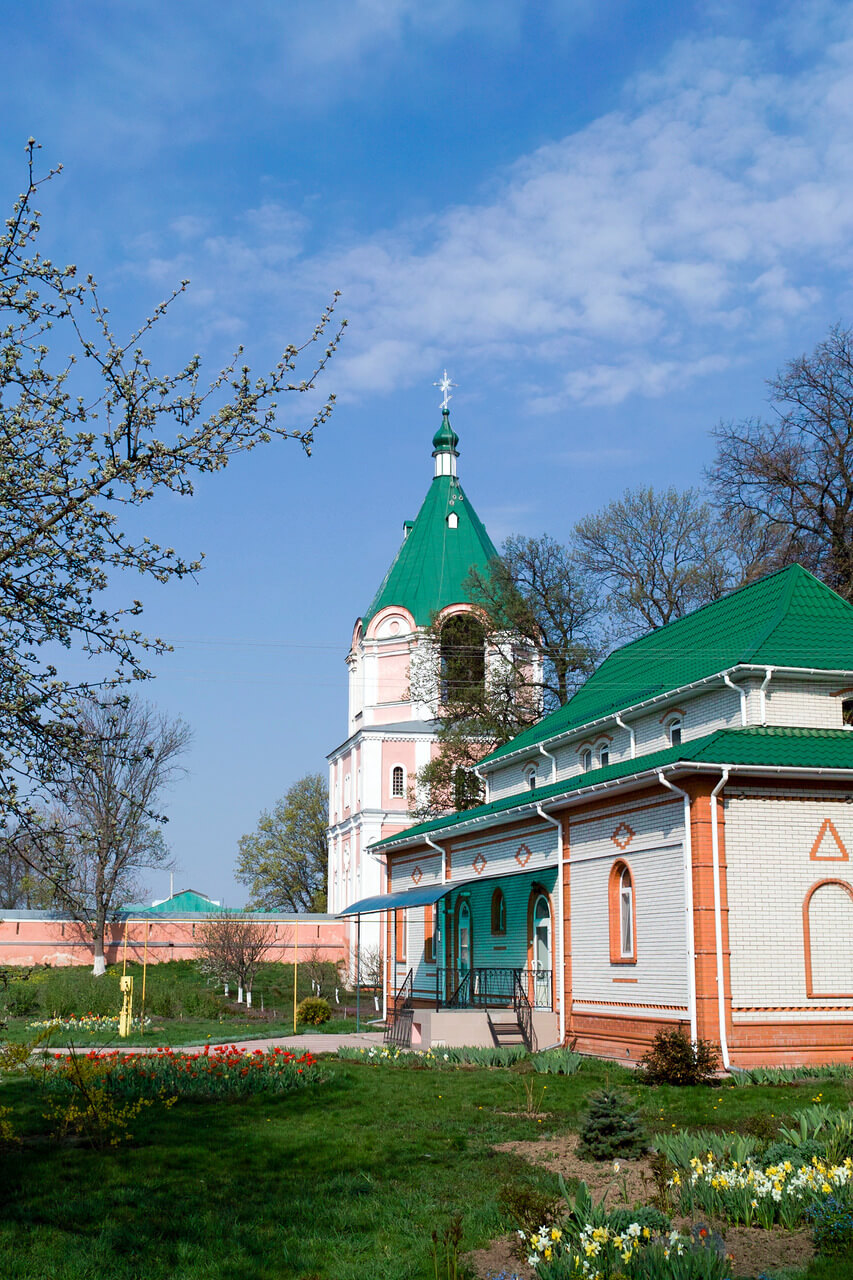
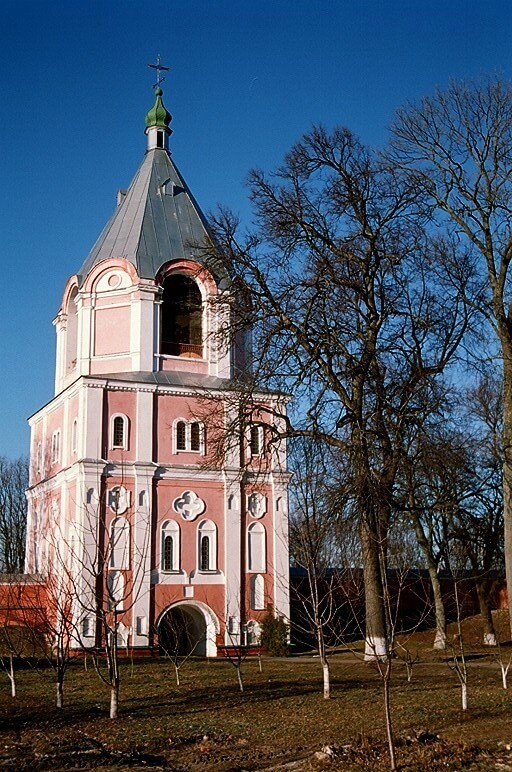
The new revival began in 19933, and journal no. 36 of the session of the Holy Synod of the Ukrainian Orthodox Church of 27 December 1994 — on the report of Metropolitan Antonii of Chernihiv and Nizhyn — blessed the opening of the Hustynia Holy Trinity convent in the village of Hustynia, Pryluky district, Chernihiv region6. In the course of 1994—2002 the churches of the Dormition of the Mother of God, of the Holy Trinity, of the Apostles Peter and Paul with its belfry, of Saint Nicholas and of the great martyr Barbara were restored2; in 2000 the Hustynia icon of the Mother of God was painted2. The community keeps particles of the relics of Saints Theodosius of Chernihiv, Ioasaf of Bilhorod and Dymytrii of Rostov, and of Saints Lavrentii of Chernihiv and Kuksha of Odesa2. The monastery has 53 hectares of land, a livestock and a poultry farm, its own agricultural machinery and a small bakery, and musically gifted sisters are sent to study at the Chernihiv theological college5.
Show sources
- 1. Хведченя С. Б. «Густинський Свято-Троїцький монастир» (encyclopaedia). Енциклопедія історії України, т. 2, 2004 (accessed: 2026-08-16)
- 2. Горіла Г. М. «Густинський свято-троїцький жіночий монастир» (encyclopaedia). Енциклопедія сучасної України, т. 6, 2006 (accessed: 2026-08-16)
- 3. «Історія» (official site). Густинський Свято-Троїцький монастир (accessed: 2026-08-22)
- 4. Біленко І. «Свято-Троїцький собор» (official site). Густинський Свято-Троїцький монастир (accessed: 2026-08-22)
- 5. «Густинський Свято-Троїцький жіночий монастир» (eparchy website). Ніжинська єпархія УПЦ, 2013 (accessed: 2026-08-22)
- 6. «Засідання Священного Синоду Української Православної Церкви від 27 грудня 1994 року» (church document). Священний Синод Української Православної Церкви, 1994 (accessed: 2026-08-22) (Журнал № 36; сторінка архіву - масовий імпорт давніх засідань, опублікований 02.01.2014)
- Journal No. 26 session of the Holy Synod of UOC on 23.11.2022 year
- Journal No. 53 session of the Holy Synod of UOC on 27.07.1995 year
- Journal No. 36 session of the Holy Synod of UOC on 27.12.1994 year