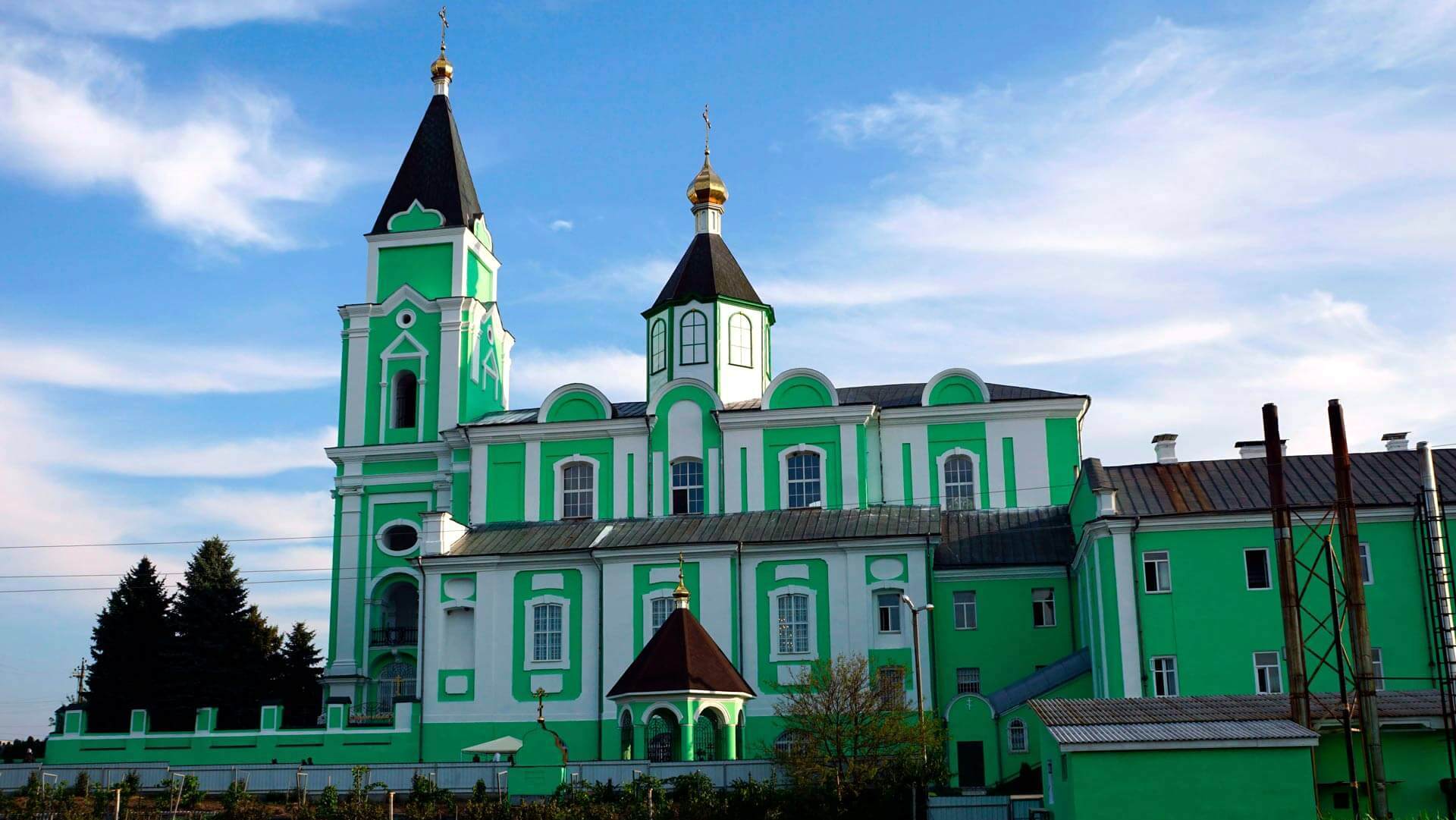
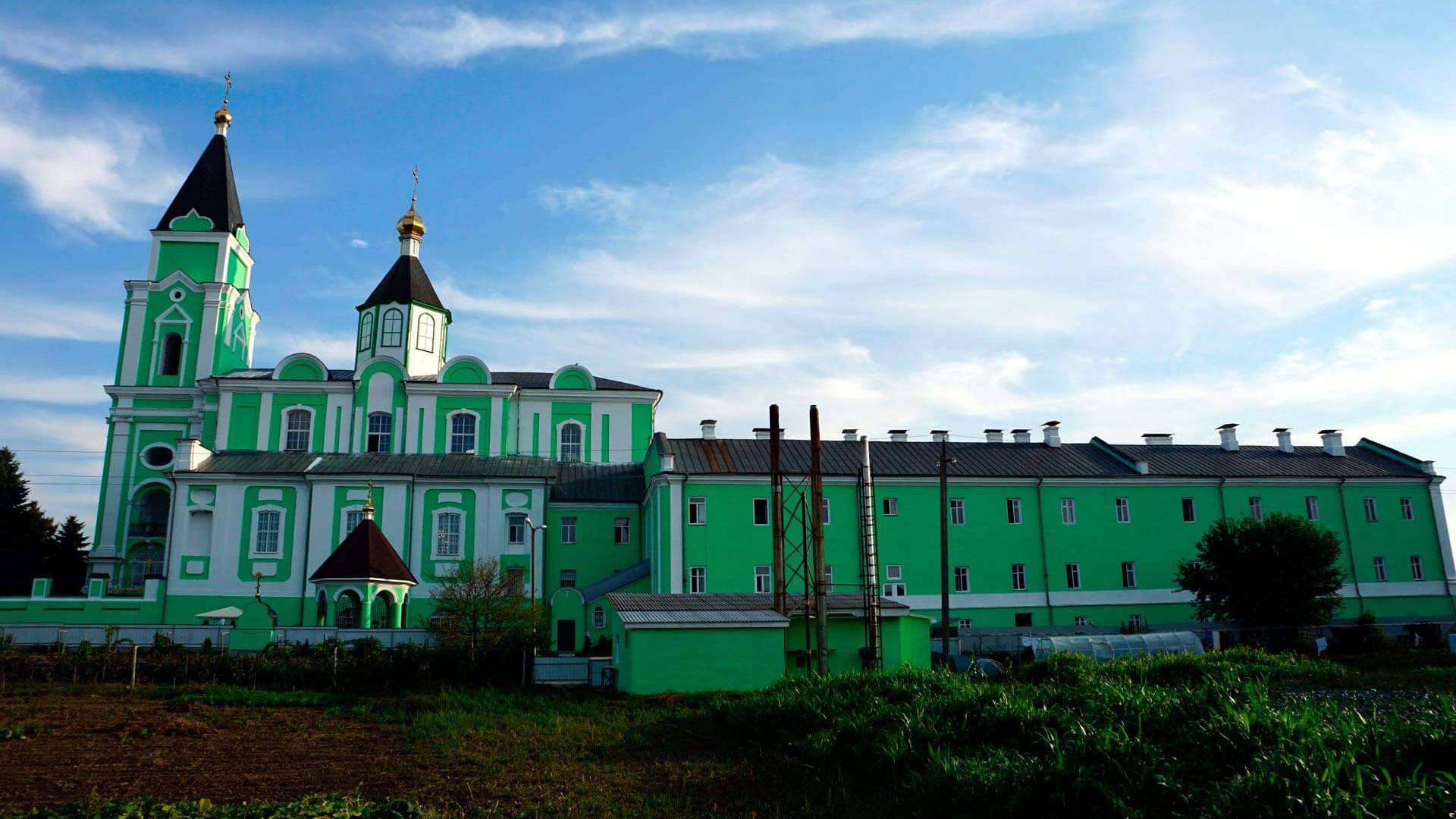
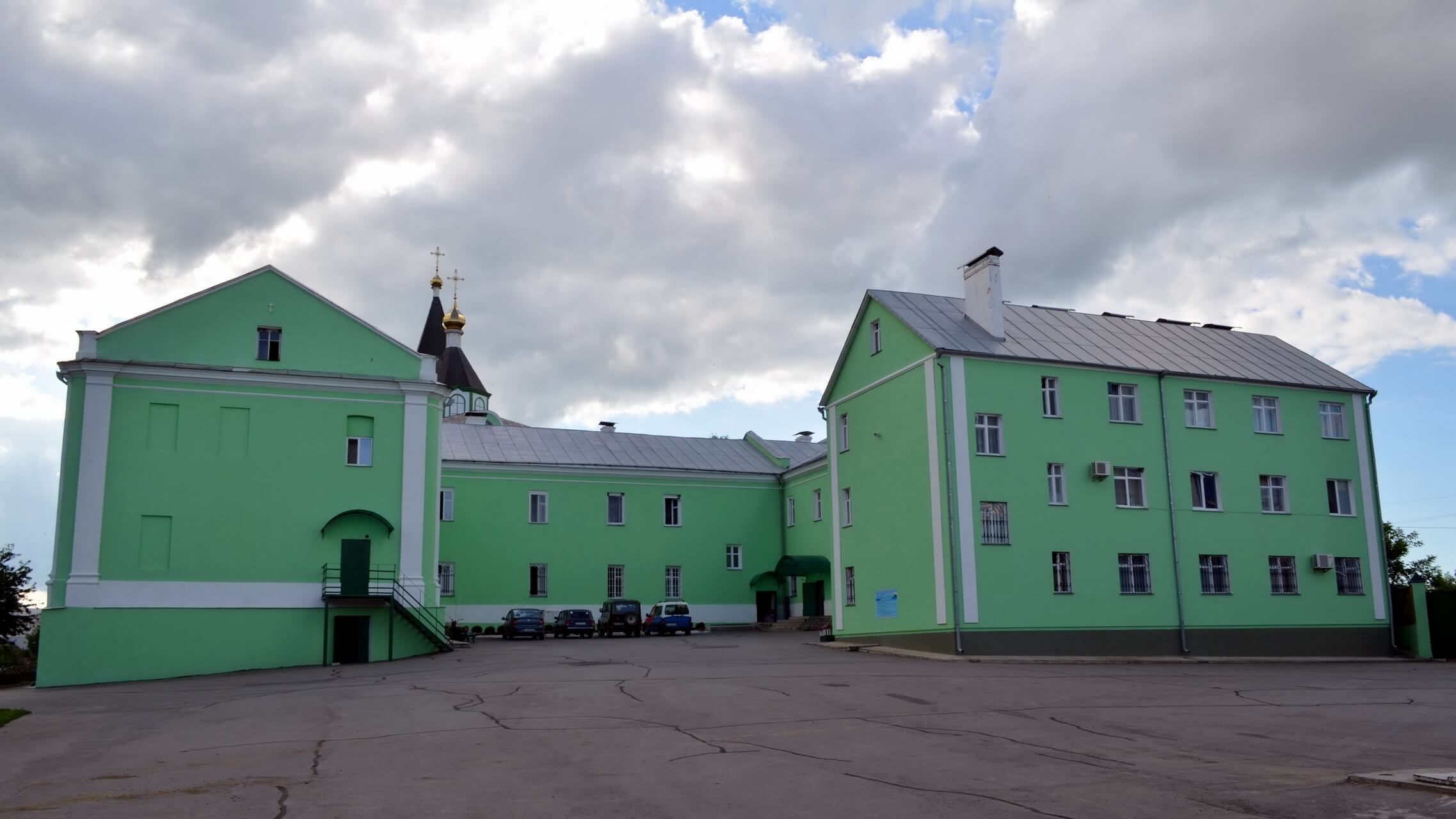
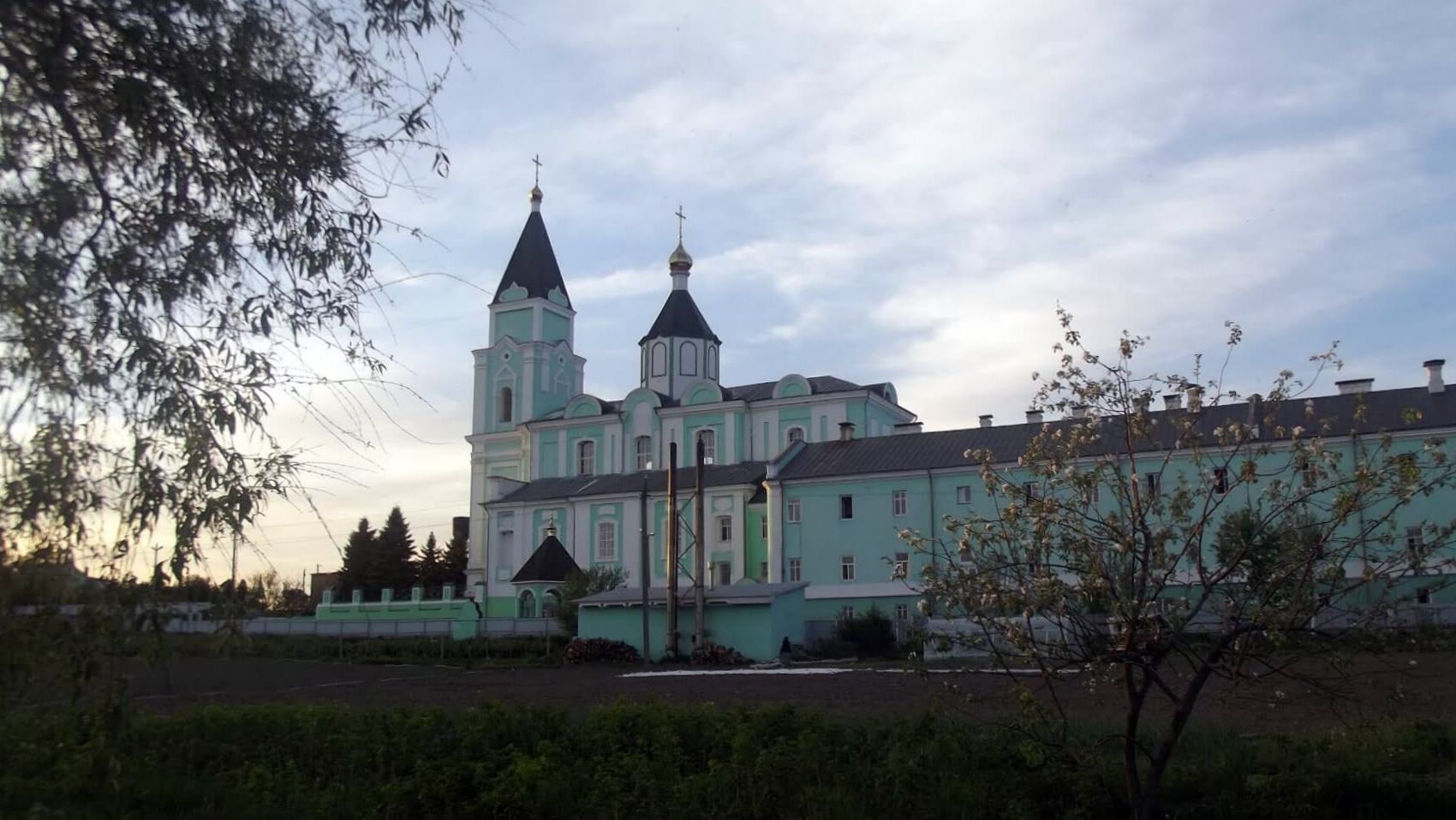
Brayiliv Holy Trinity Convent
49.106773, 28.167002
- the document of appointment to the post:
Journal No. 21 session of the Holy Synod of UOC on 04.10.1994 year
The Holy Trinity Brailiv convent of the Vinnytsia eparchy of the Ukrainian Orthodox Church stands in the town of Brailiv in the Vinnytsia region, on Monastyrska Street. Its community, however, is older than this place: in 1635 the Bratslav pidsudok and royal secretary Mykhailo Kropyvnytsky petitioned the king to found a women's monastery in Vinnytsia, and permission was given5. Neighbouring farmers and the townspeople of Vinnytsia endowed the house with land and holdings, a wooden three-domed church of the Annunciation of the Mother of God was raised on its grounds, and the sisters' life was ordered by the cenobitic rule of St Basil the Great5.
What followed mirrored the fate of the region: in 1723 the house's new church was consecrated by a Uniate bishop already, and in 1780 the nuns left the impoverished house; in 1786 four nuns were settled here, and in 1795 the monastery returned to the Orthodox1. At the beginning of the nineteenth century its spiritual life stood high once more - nuns from other houses were even sent here for correction1.
Abbess Vira led the Vinnytsia house from 1798 to 1814, and then until 1832 the monastery had no abbess and its affairs were managed by treasurers - Serafyma, Antonia, Dosifeia and Polikseniia5. Her successor, Abbess Anfisa, called from the Chyhyryn monastery, put up a house with the abbess's cells and a block for the sisters, and won a lawsuit against a landowner of Voronovytsia, recovering from him fifteen thousand roubles, which became the monastery's capital5.
Seeing the house's cramped position in the city, Archbishop Arsenii (Moskvin) of Podillia, later metropolitan of Kyiv, proposed to Abbess Taisiia that she petition the Holy Synod to move the monastery to Brailiv - into the monastic buildings that had stood empty since the Catholic Trinitarian friars were removed from them in 18321, 5. Those buildings had been raised in 1767-1778 by Count Frantsylin Salerii Pototsky, and in 1832 they were turned into an Orthodox parish1. On 30 September 1845 the liturgy and a valedictory moleben were served for the last time in the Vinnytsia convent church, after which the sisters left Vinnytsia in procession with their holy things, and on the morning of 1 October the procession reached Brailiv, where the clergy of the neighbourhood and a great crowd met it at the town gate with crosses and banners5.
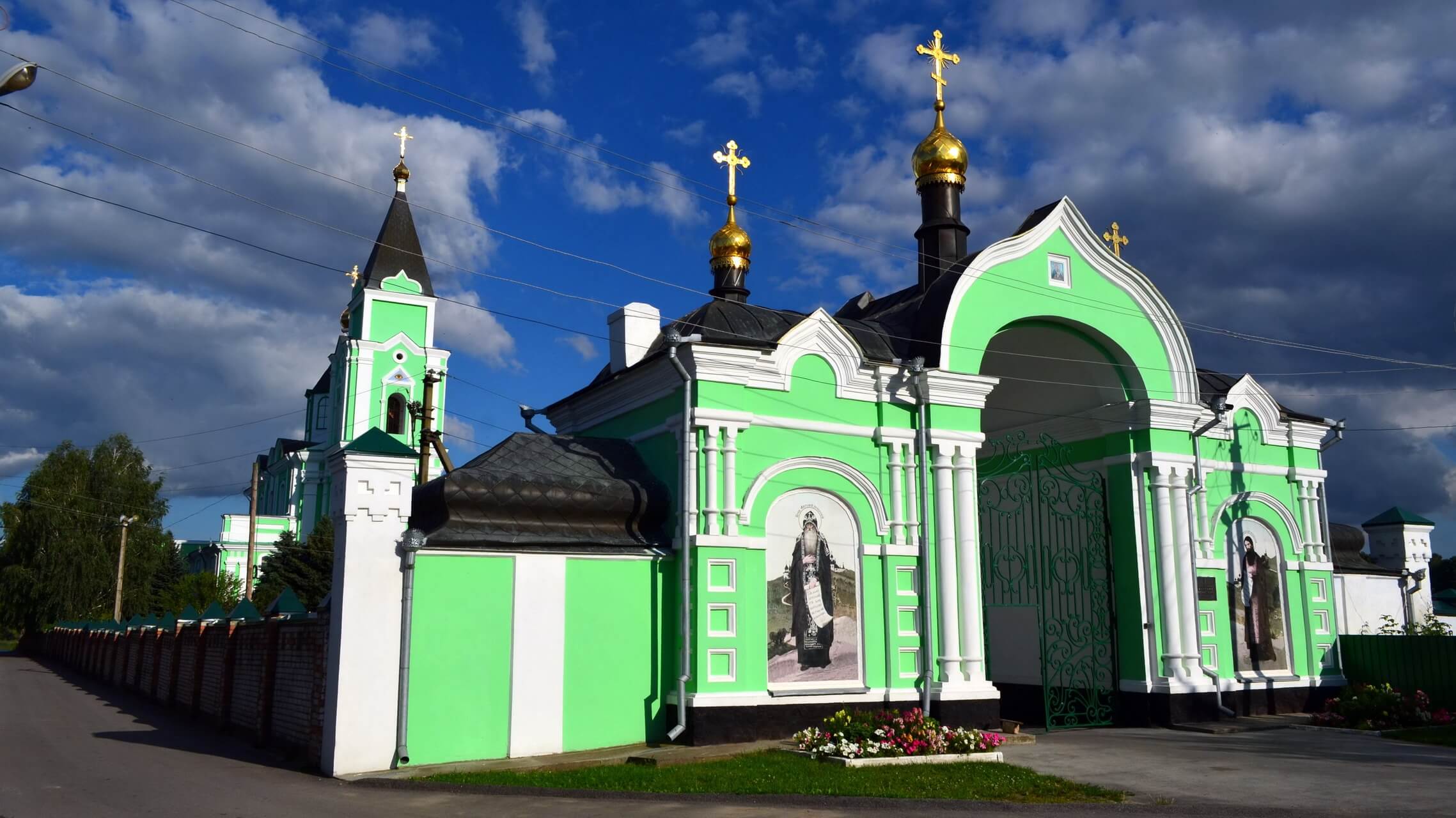
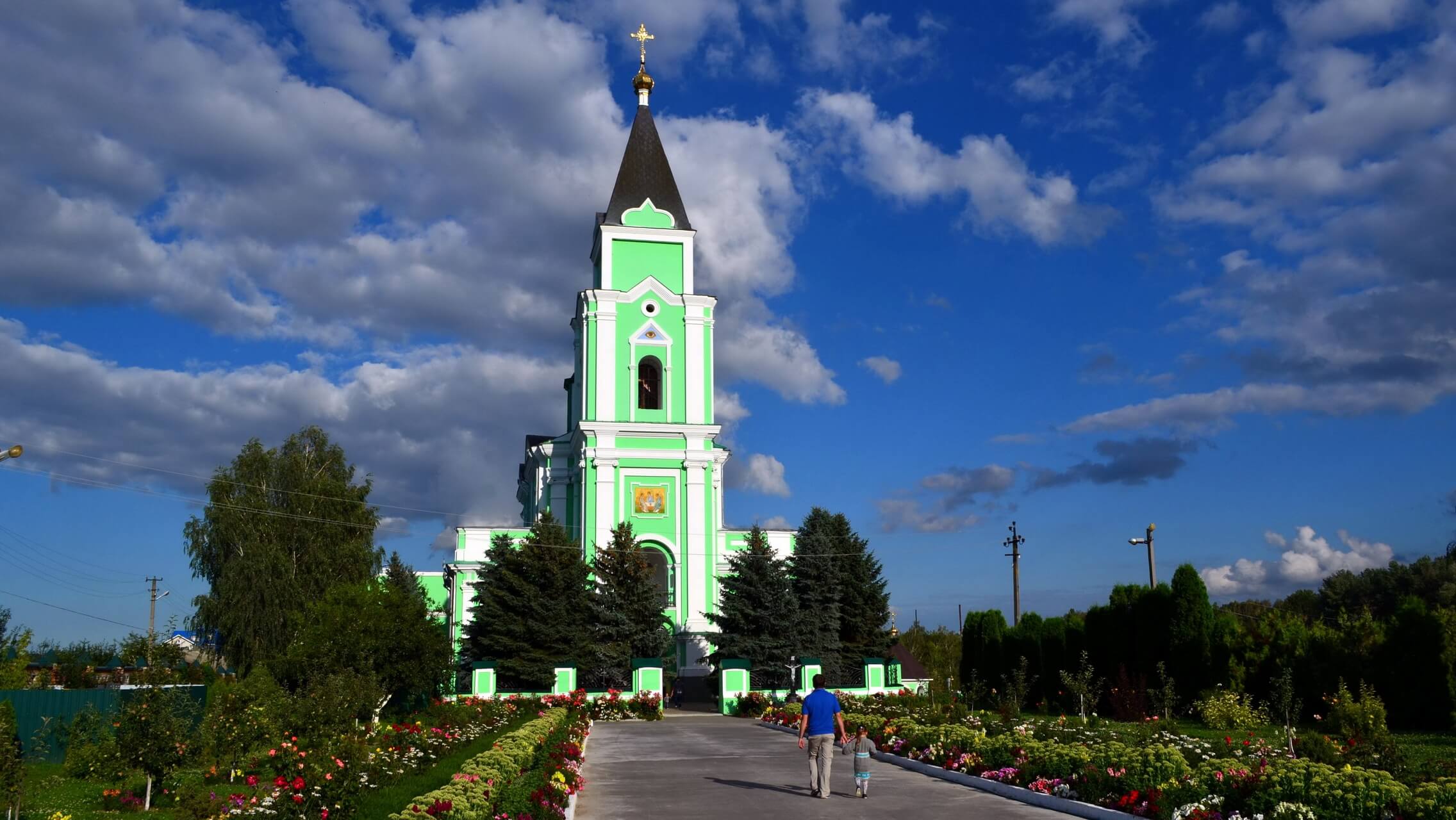
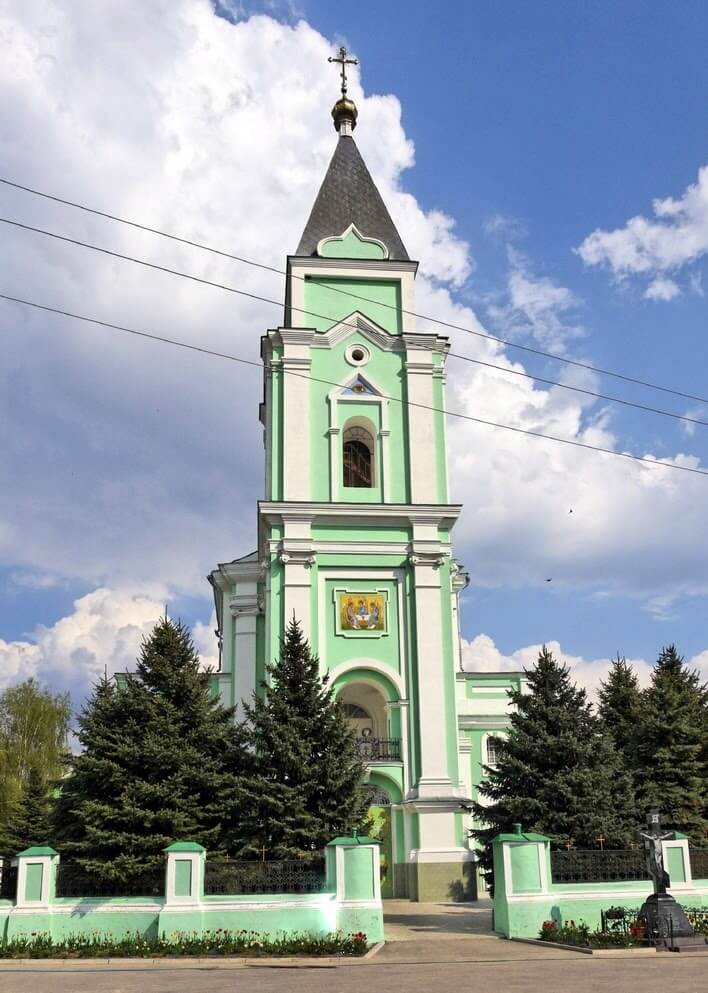
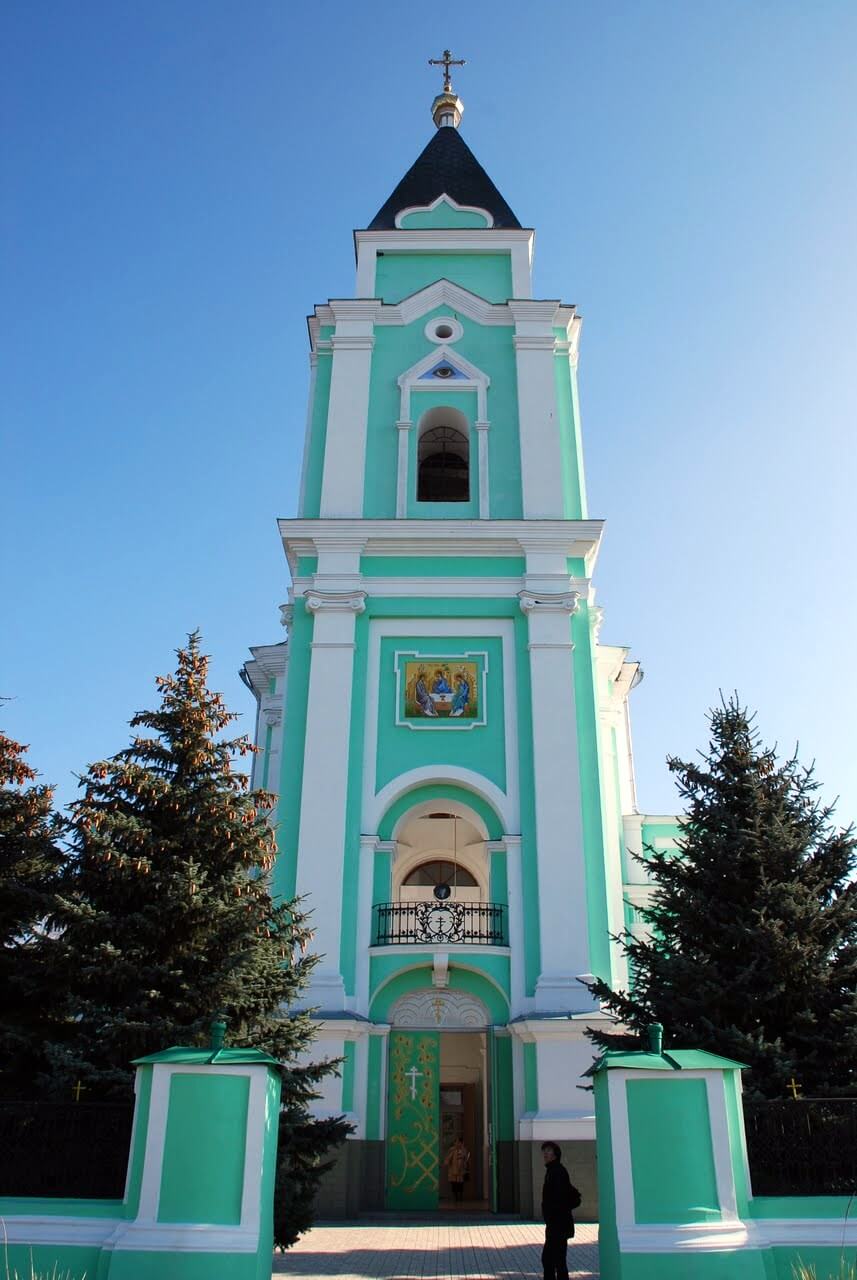
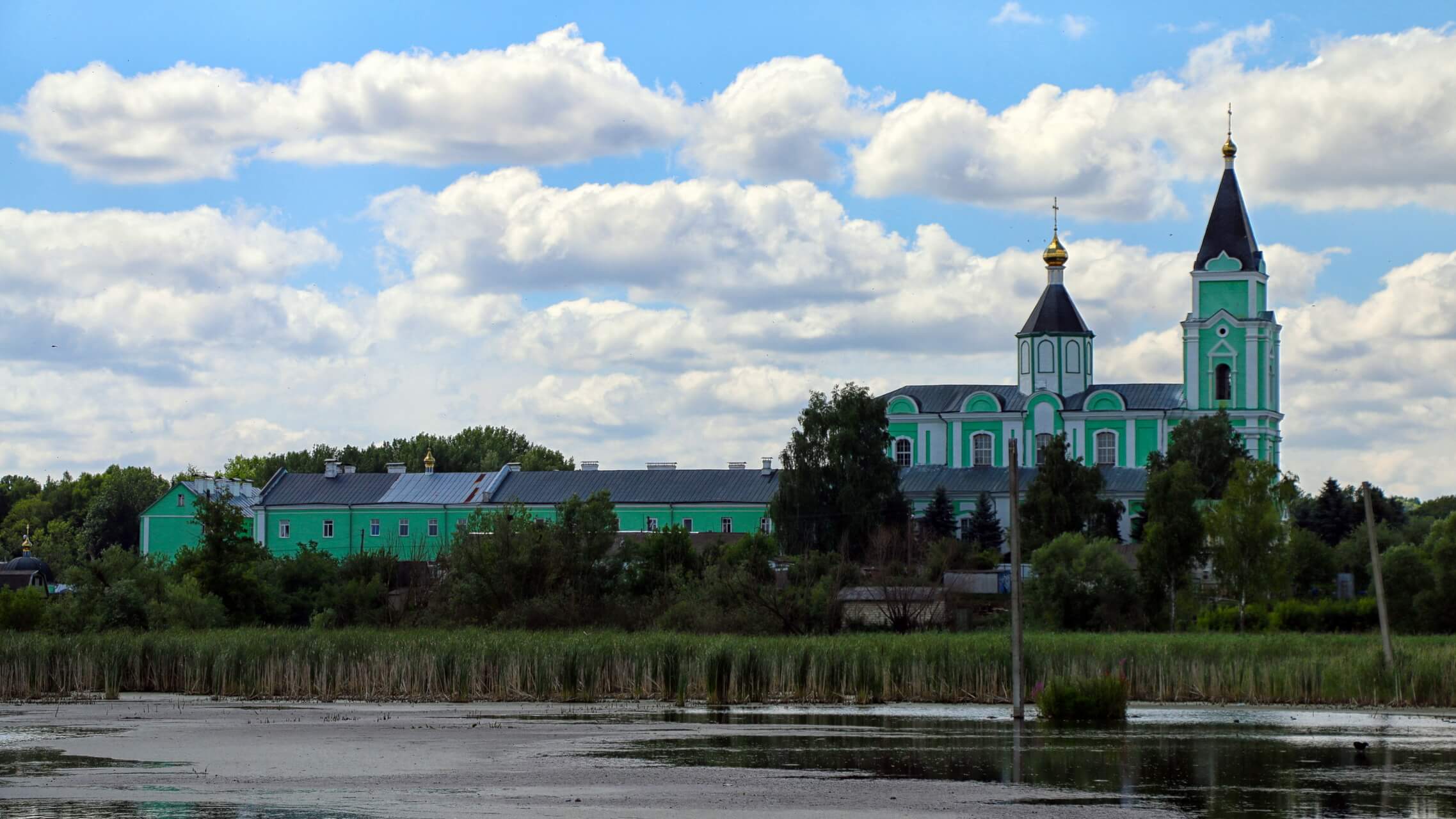
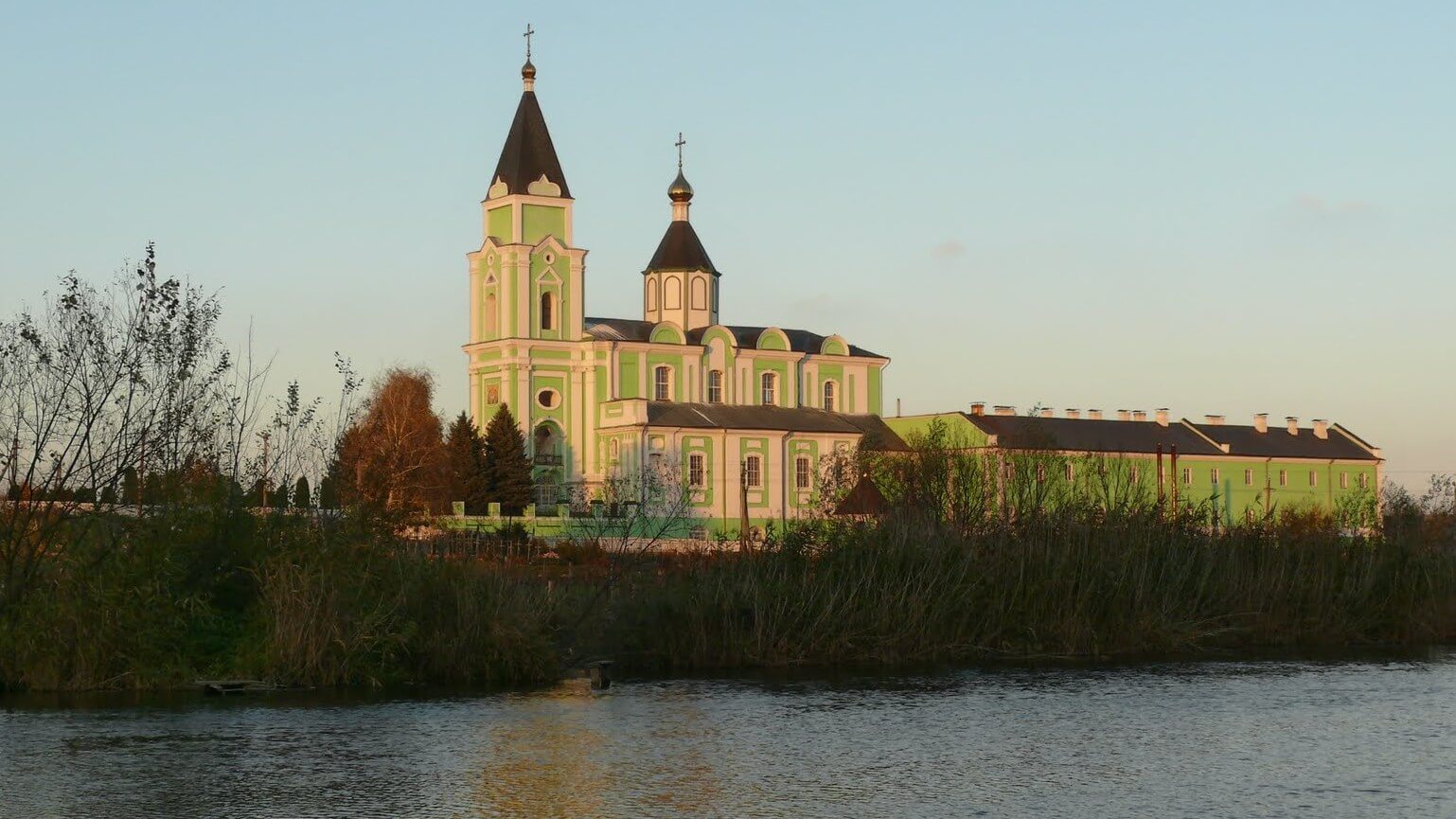
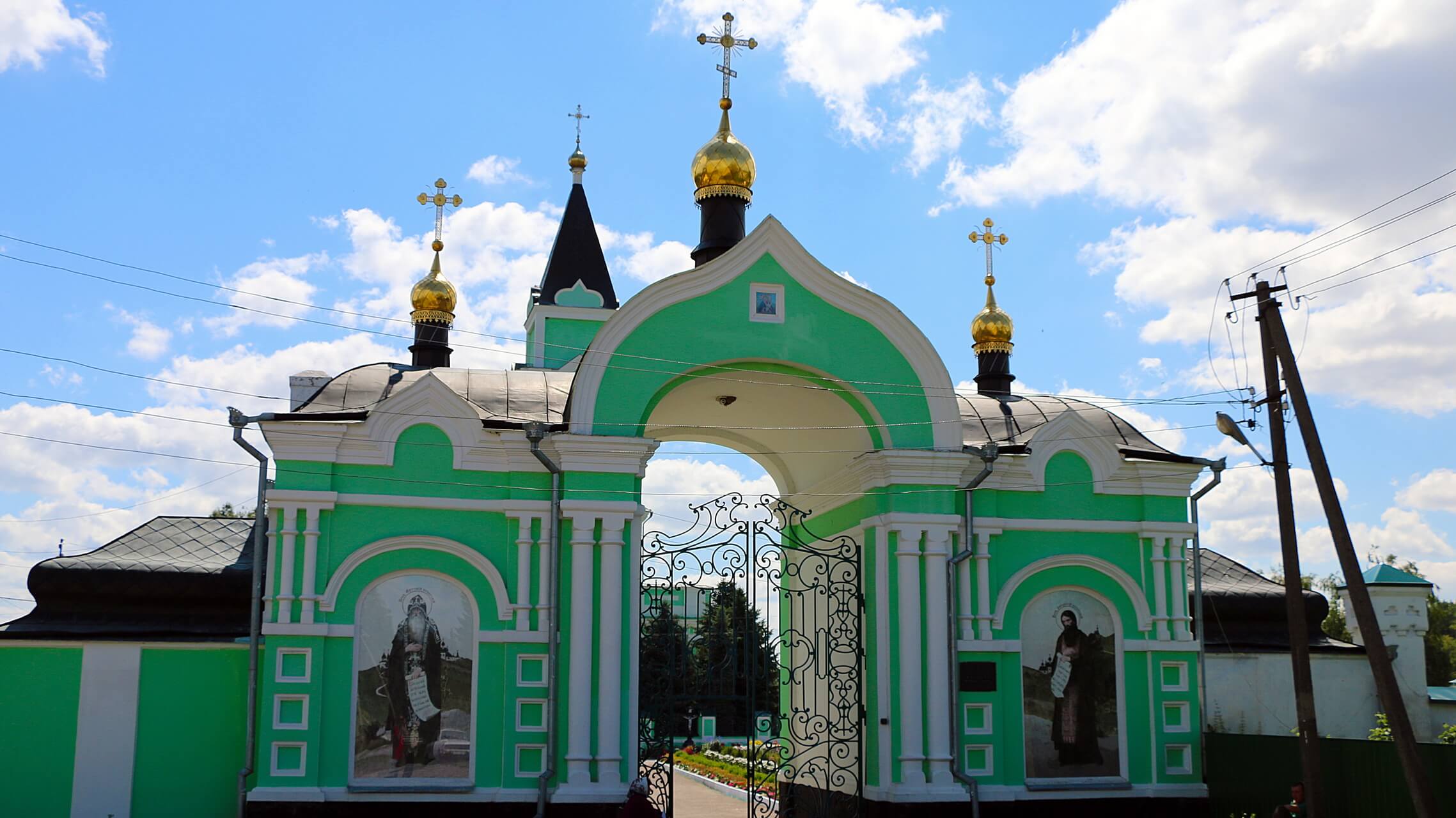
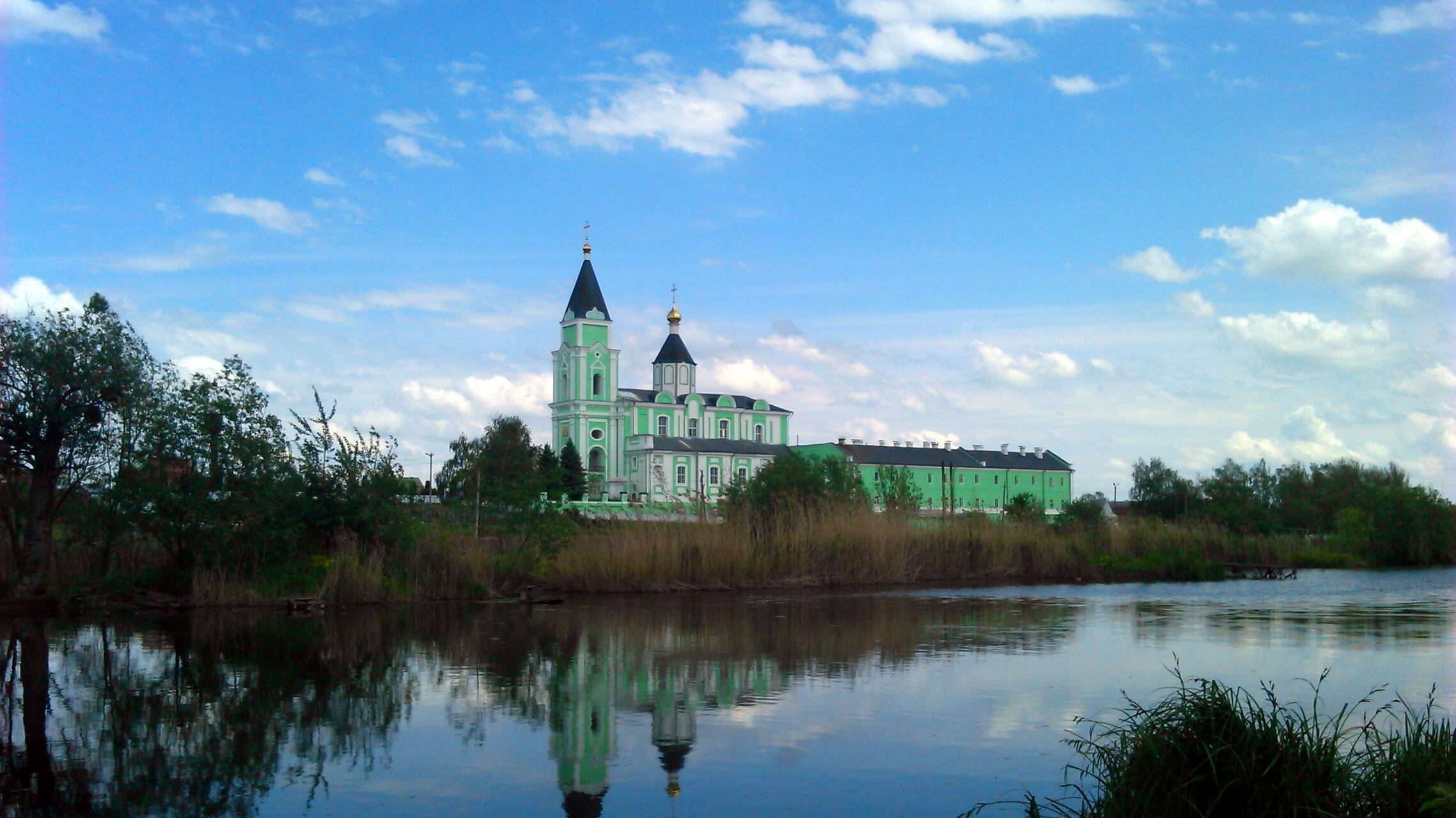
The central structure of the house is the church of the Holy Trinity with a belfry over the main entrance and a quadrangle of blocks adjoining the altar (1767-1778); on the same axis as the church, west of the belfry, stands the holy gates building of the late nineteenth century2. By the beginning of the twentieth century the Trinity church had side altars in honour of the Annunciation of the Mother of God and of the Great Martyr Barbara; in 1847 a chapel of Venerables Antonii and Feodosii of the Caves was consecrated in the crypt beneath the church, and in 1860 a winter church of St Nicholas of Myra in the northern part of the quadrangle2.
After the move to Brailiv a school was opened at the monastery for orphan girls from clergy families, in 1864 an almshouse for elderly women of the same families, and in 1895-1896 a women's Sunday school1. During the First World War, in 1914, a military hospital of fifty beds was set up at the house, and in May of the following year Abbess Kateryna was awarded a golden cross for her help to the front5. In January 1915 the same abbess asked the zemstvo board to open a shelter for the orphan daughters of soldiers killed at the front; permission was given, and the board undertook to pay two hundred roubles a month towards the shelter's upkeep5.
Archpriest Ivan Shypovych was transferred to the house as its priest - a teacher who had taught divinity at the Vinnytsia real school since June 1893, who studied the history of the region all his life and left many publications on Podillia5. A hundred and sixty-one nuns were under his spiritual care at Brailiv5. In December 1932 the seventy-five-year-old priest was sentenced under the article on counter-revolutionary propaganda and exiled to Siberia; he died soon after his return5.
In 1925 a hundred and forty-five sisters lived at the monastery, fifty-three of them able-bodied and the other ninety-two elderly and in need of care6. The house's land was taken away, all its farm equipment was taken by the Zhmerynka district collective farm in 1923, and the monastery lived only by the sisters' own work - sewing in winter, field work in summer; rent had to be paid for the single building left to them, and to pay it they sold even clothing and dishes6.
In the autumn of 1932 peasants of the villages of Moskalivka and Kozachivka hid part of their harvest at the monastery, and were accused of crimes against the authorities1, 6. The grain that was found was taken, and with it all the food, down to the cucumbers and tomatoes; then the peasants of the surrounding villages were made to vote for closing the house that had tried to save them from hunger6. In December 1932, by a decision of the Vinnytsia regional executive committee, the monastery was closed5.
In 1942 the house opened again1, 6. By 1955 only two monasteries were left in the region - Brailiv and Bar - and the position here was hard: the superior, Abbess Hlafira, wrote to the regional executive committee in 1956 that the grounds had been ruined by lorries, that the front of the gates was falling down, and that two rooms in the gatehouse were occupied by an oil plant and a power station6. Before the second closure the Bar monastery was abolished and all its sisters moved to Brailiv, bringing the wonderworking Bar icon with them6. On 13 October 1962 the Brailiv monastery was closed and its nuns dispersed; about fifteen of them were taken in by "monasteries in the world", and the sisters' confessor, Father Mykhail, cared for them until his death on 2 February 19675. By 1970 the monastery's iron roof was in a dreadful state, much of it torn off by the wind, the wall paintings inside the Trinity church were crumbling, a hostel had been made of the cells, a tourist base placed on the grounds, and a shooting range set up in the lower church of Venerables Antonii and Feodosii5.
On 4 September 1989 the monastery was returned to the Church, and on 19 March 1990 Metropolitan Ahafanhel of Vinnytsia and Bratslav performed the consecration and the first Divine Liturgy in the church of Venerables Antonii and Feodosii, cleared of rubbish5. At the entrance to the monastery block pilgrims are met by an icon of the Mother of God with Antonii and Feodosii of the Caves standing beside her - the only fresco surviving from those times5. The Vinnytsia radio equipment works made two large cupola crosses for the house, and over ten years the rubbish-filled church was restored, a belfry was built, the block and the Trinity cathedral were restored inside and out, and the church of St Nicholas was rebuilt5, 6.
On 13 June 1995 the Brailiv-Częstochowa icon of the Mother of God returned to the house, having vanished without trace after the closure of 1962: on the third day of Pentecost a procession set out from Vinnytsia, and at ten in the evening it drew near Brailiv, where the nuns came out of the gates with candles in their hands to meet the image, to the singing of the akathist composed in 1931 by Abbess Sofiia (Rachynska)5. The image itself is a copy of the Częstochowa icon, by tradition a gift of the house's founder; until 1845 it was in the monastery's Vinnytsia property, and in 1932-1942 and 1962-1995 believers kept it outside the monastery4.
The second venerated holy thing, the Brailiv-Pochaiv icon, is a copy of the image that was at the house until 1962; the older image was found in 1887 in one of the Lavra's churches by the historiographer of the Pochaiv Lavra, Archpriest Andrii Khoinatsky - inscribed "Image of the wonderworking Brailiv icon of the Mother of God" - and, having studied it, he concluded that it was a copy of the icon once venerated at Brailiv; the holy thing was sent to Vinnytsia and solemnly brought to the monastery on 1 June 18887. The house also keeps an icon of the Mother of God "of the Three Hands", painted on Athos: soon after the revolution it was damaged, and by the house's own account the sisters wished to restore the image but heard a voice saying, "Do not touch My face, let it remain as it is"6, 8. An icon of the Great Martyr and Healer Panteleimon, painted in its time expressly for the Brailiv monastery, has also returned to the Trinity cathedral, while where two large altar icons - of the Great Martyr Barbara and the Bogoliubskaya - now are is still unknown6.
The patronal feasts kept at the house are the Day of the Holy Trinity, the Annunciation of the Mother of God, the feasts of the Brailiv-Częstochowa and Brailiv-Pochaiv icons of the Mother of God, and the memory of the Great Martyr Barbara, of St Nicholas of Myra and of Venerables Antonii and Feodosii of the Kyiv Caves3; the translation of the Brailiv-Częstochowa icon in 1995 is kept separately, on the third day of the Holy Trinity5.
Show sources
- 1. «История» (official site). Свято-Троїцький Браїлівський жіночий монастир (accessed: 2026-08-21)
- 2. «Архитектура» (official site). Свято-Троїцький Браїлівський жіночий монастир (accessed: 2026-08-21)
- 3. «Праздники» (official site). Свято-Троїцький Браїлівський жіночий монастир (accessed: 2026-08-21)
- 4. «“Браилово-Ченстоховская” икона Пресвятой Богородицы» (official site). Свято-Троїцький Браїлівський жіночий монастир (accessed: 2026-08-21)
- 5. «Свято-Троїцький Браїлівський жіночий монастир» (eparchy website). Вінницька єпархія Української Православної Церкви, 2020 (accessed: 2026-08-21)
- 6. «Браїлівська скарбниця» (heritage register). Вінницька обласна Рада (accessed: 2026-08-21)
- 7. «“Браилово-Почаевская” икона Пресвятой Богородицы» (official site). Свято-Троїцький Браїлівський жіночий монастир, 2013 (accessed: 2026-08-30)
- 8. «Икона Пресвятой Богородицы “Троеручица”» (official site). Свято-Троїцький Браїлівський жіночий монастир, 2013 (accessed: 2026-08-30)
- Journal No. 10 session of the Holy Synod of UOC on 03.04.1996 year
- Journal No. 21 session of the Holy Synod of UOC on 04.10.1994 year